 EN
EN
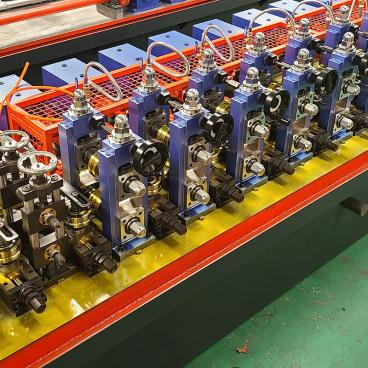
Modern manufacturing facilities require robust and efficient solutions for producing high-quality steel tubes, and understanding proper operation of a carbon steel pipe making machine is essential for maximizing productivity and product quality. These sophisticated machines represent a significant investment in industrial infrastructure, demanding skilled operators who can navigate complex control systems while maintaining strict safety protocols. The effectiveness of pipe manufacturing operations directly impacts production schedules, material costs, and overall profitability in competitive industrial markets.
Industrial pipe production has evolved significantly with technological advancements in automated forming systems and precision control mechanisms. Today's operators must balance traditional metalworking expertise with modern digital interfaces and computerized monitoring systems. Success in carbon steel pipe manufacturing requires comprehensive understanding of material properties, forming processes, quality control measures, and safety requirements that ensure consistent output while minimizing operational risks.
Machine Setup and Preparation Procedures
Initial System Inspection and Calibration
Before initiating production cycles, operators must conduct thorough inspections of all critical components within the carbon steel pipe making machine system. This comprehensive evaluation includes checking hydraulic fluid levels, examining forming rollers for wear patterns, and verifying electrical connections throughout the control panel assembly. Proper calibration of dimensional sensors ensures accurate pipe diameter measurements during production runs, while lubrication system checks prevent costly mechanical failures that could halt manufacturing operations.
Temperature monitoring systems require careful attention during startup procedures, as optimal forming conditions depend on maintaining consistent heat levels throughout the pipe formation process. Operators should verify that heating elements function correctly and that cooling systems operate within specified parameters. Documentation of baseline readings provides valuable reference data for troubleshooting potential issues that may arise during extended production campaigns.
Material Loading and Feed System Configuration
Efficient material handling begins with proper preparation of carbon steel coil stock, ensuring that raw materials meet specifications for thickness, width, and chemical composition required by the production schedule. The feed system must be configured to accommodate specific coil dimensions while maintaining consistent tension throughout the unwinding process. Proper alignment of guide rollers prevents material wandering that could result in dimensional variations or surface defects in finished pipes.
Edge preparation techniques play a crucial role in achieving high-quality welded seams, requiring operators to verify that coil edges are clean and free from contaminants that could compromise weld integrity. Strip edge geometry must conform to machine specifications to ensure smooth entry into forming sections of the carbon steel pipe making machine. Consistent material properties across the entire coil width contribute to uniform pipe wall thickness and improved overall product quality.
Operating Parameters and Control Systems
Speed and Feed Rate Optimization
Determining optimal production speeds for a carbon steel pipe making machine requires careful consideration of material properties, pipe diameter specifications, and desired surface finish quality. Higher feed rates can increase throughput but may compromise dimensional accuracy or introduce surface irregularities that require additional processing steps. Operators must balance productivity goals with quality requirements by monitoring real-time feedback from dimensional sensors and adjusting speeds accordingly throughout production runs.
Variable speed control systems allow operators to fine-tune production parameters based on specific material characteristics and product specifications. Thicker wall sections typically require slower forming speeds to prevent material stress concentrations, while thinner materials may accommodate higher throughput rates without compromising structural integrity. Consistent monitoring of power consumption levels provides valuable insights into optimal operating conditions for different material grades and pipe dimensions.
Forming Process Control and Monitoring
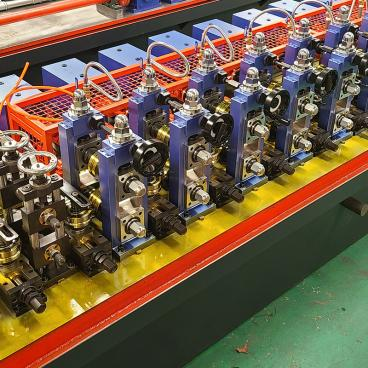
Advanced control systems in modern carbon steel pipe making machine installations provide operators with comprehensive monitoring capabilities for all critical forming parameters. Real-time displays show forming roller positions, hydraulic pressures, and material tension levels that directly influence final product quality. Operators must understand relationships between these parameters and make appropriate adjustments to maintain consistent pipe geometry throughout production cycles.
Weld seam quality depends on precise control of welding parameters including current levels, electrode positioning, and cooling rates following the welding operation. Monitoring systems track weld penetration depth and fusion zone characteristics to ensure structural integrity meets applicable industry standards. Regular calibration of welding equipment maintains consistent performance and prevents quality variations that could result in rejected products or customer complaints.
Quality Control and Inspection Procedures
Dimensional Accuracy Verification
Maintaining precise dimensional control throughout carbon steel pipe making machine operations requires systematic measurement and verification procedures at multiple points during the production process. Operators utilize precision measuring instruments to check pipe diameter, wall thickness, and length specifications against customer requirements and industry standards. Statistical process control techniques help identify trends that might indicate equipment wear or process drift requiring corrective action.
Automated inspection systems integrated into modern pipe manufacturing equipment provide continuous monitoring of critical dimensions without interrupting production flow. These systems can detect variations in pipe geometry and automatically adjust forming parameters to maintain specifications within acceptable tolerances. Operators must understand how to interpret inspection data and respond appropriately to maintain consistent product quality throughout extended production runs.
Surface Quality Assessment and Defect Prevention
Surface finish quality in pipes produced by carbon steel pipe making machine operations directly impacts customer satisfaction and long-term performance in service applications. Operators must regularly inspect pipe surfaces for scratches, deformation marks, or other defects that could compromise functionality or appearance. Preventive measures include maintaining clean forming rollers, proper lubrication of contact surfaces, and careful handling of finished products during subsequent processing steps.
Identifying root causes of surface defects enables operators to implement corrective measures that prevent recurrence and improve overall production efficiency. Common issues such as roller wear, contamination buildup, or improper material preparation can be addressed through systematic maintenance procedures and operator training programs. Documentation of quality issues and corrective actions provides valuable data for continuous improvement initiatives and equipment optimization efforts.
Safety Protocols and Risk Management
Personal Protective Equipment and Work Area Safety
Operating a carbon steel pipe making machine safely requires strict adherence to established safety protocols and proper utilization of personal protective equipment designed for industrial manufacturing environments. Operators must wear appropriate eye protection, hearing protection, and safety footwear while working near heavy machinery and high-temperature processes. Emergency stop systems must be easily accessible and regularly tested to ensure rapid shutdown capabilities when hazardous conditions arise.
Work area organization plays a critical role in preventing accidents and maintaining efficient production flow around pipe manufacturing equipment. Clear walkways, properly marked hazard zones, and adequate lighting contribute to safe working conditions while enabling operators to perform their duties effectively. Regular safety training sessions ensure that all personnel understand current procedures and remain alert to potential hazards associated with carbon steel pipe making machine operations.
Equipment Lockout and Maintenance Safety
Proper lockout procedures are essential when performing maintenance or adjustment tasks on carbon steel pipe making machine components. Energy isolation protocols must be followed precisely to prevent accidental equipment startup during service operations that could result in serious injuries or equipment damage. Multiple energy sources including electrical, hydraulic, and pneumatic systems require individual isolation and verification before maintenance personnel can safely access equipment internals.
Scheduled maintenance activities should be coordinated with production schedules to minimize disruption while ensuring that safety requirements are never compromised for productivity goals. Maintenance personnel must be trained on specific hazards associated with pipe manufacturing equipment and follow established procedures for safe equipment access. Documentation of maintenance activities provides accountability and helps identify patterns that might indicate equipment problems requiring attention.
Troubleshooting Common Operating Issues
Mechanical Problems and Resolution Strategies
Mechanical issues in carbon steel pipe making machine operations can manifest in various ways, from unusual vibrations and noise levels to dimensional variations in finished products. Operators must develop diagnostic skills to identify symptoms and implement appropriate corrective measures quickly to minimize production downtime. Common mechanical problems include bearing wear, belt tension issues, and hydraulic system leaks that can affect machine performance and product quality.
Systematic troubleshooting approaches help operators isolate problem sources and determine whether issues require immediate attention or can be addressed during scheduled maintenance periods. Understanding normal operating characteristics of forming equipment enables early detection of developing problems before they result in significant production disruptions. Maintaining detailed maintenance logs and performance data assists technicians in identifying recurring issues and implementing permanent solutions.
Process Control and Parameter Adjustment
Process variations in carbon steel pipe making machine operations often require real-time parameter adjustments to maintain product specifications within acceptable tolerances. Operators must understand relationships between forming variables and final product characteristics to make effective corrections when quality issues arise. Temperature fluctuations, material property variations, and equipment wear can all contribute to process drift requiring operator intervention.
Advanced control systems provide operators with diagnostic tools and automated compensation capabilities that reduce the need for manual adjustments in many situations. However, operators must retain the knowledge and skills necessary to override automated systems when conditions require manual intervention. Training programs should emphasize both automated system operation and traditional manual control techniques to ensure operational flexibility under various production scenarios.
Maintenance and Performance Optimization
Preventive Maintenance Scheduling
Establishing comprehensive preventive maintenance programs for carbon steel pipe making machine installations helps maximize equipment reliability while minimizing unexpected downtime that disrupts production schedules. Regular inspection intervals should be based on manufacturer recommendations, operating hours, and production volume to ensure that wear components are replaced before failures occur. Lubrication schedules must account for operating conditions and environmental factors that may accelerate component wear rates.
Maintenance planning should coordinate with production schedules to perform routine services during planned downtime periods whenever possible. Critical spare parts inventory management ensures that replacement components are available when needed without excessive carrying costs. Documentation of maintenance activities provides valuable data for optimizing service intervals and identifying opportunities for equipment improvements or modifications.
Performance Monitoring and Continuous Improvement
Systematic performance monitoring of carbon steel pipe making machine operations provides insights into optimization opportunities that can improve productivity, reduce costs, and enhance product quality. Key performance indicators should include production rates, quality metrics, energy consumption, and maintenance costs tracked over time to identify trends and improvement opportunities. Benchmarking against industry standards helps establish realistic performance targets and identify areas requiring attention.
Continuous improvement initiatives should involve operators, maintenance personnel, and engineering staff in collaborative efforts to optimize equipment performance and production processes. Regular review of operating data, quality trends, and maintenance records can reveal patterns that suggest specific improvement opportunities. Implementation of proven improvements across similar equipment installations maximizes the benefits of optimization efforts and ensures consistent performance across the facility.
FAQ
What are the most critical parameters to monitor during carbon steel pipe making machine operation?
The most critical parameters include forming roller pressures, material feed speed, welding current and voltage levels, pipe diameter measurements, and wall thickness consistency. Temperature control throughout the forming and welding processes is essential for maintaining material properties and weld quality. Operators should also monitor hydraulic system pressures, lubrication flow rates, and dimensional accuracy using precision measuring instruments to ensure consistent product quality.
How often should maintenance be performed on pipe making equipment?
Maintenance frequency depends on production volume, operating conditions, and manufacturer recommendations, but typical schedules include daily lubrication checks, weekly inspection of wear components, monthly calibration of measuring systems, and quarterly comprehensive inspections of mechanical and electrical systems. Critical components such as forming rollers and welding electrodes may require more frequent attention based on production rates and material characteristics. Emergency maintenance should be performed immediately when safety hazards or quality issues are identified.
What safety precautions are essential when operating pipe manufacturing equipment?
Essential safety precautions include wearing appropriate personal protective equipment, maintaining clear work areas around moving machinery, following proper lockout procedures during maintenance, and ensuring emergency stop systems are functional and accessible. Operators must be trained on hazard recognition, safe operating procedures, and emergency response protocols. Regular safety meetings and equipment inspections help maintain awareness of potential risks and ensure that protective systems remain effective.
How can operators optimize production efficiency while maintaining quality standards?
Production optimization requires balancing speed with quality through careful parameter adjustment, preventive maintenance, and continuous monitoring of process variables. Operators should maintain detailed production records to identify optimal settings for different material grades and product specifications. Regular calibration of control systems, proper material preparation, and systematic quality checks help maintain consistency while maximizing throughput rates within equipment capabilities and quality requirements.
Table of Contents
- Machine Setup and Preparation Procedures
- Operating Parameters and Control Systems
- Quality Control and Inspection Procedures
- Safety Protocols and Risk Management
- Troubleshooting Common Operating Issues
- Maintenance and Performance Optimization
-
FAQ
- What are the most critical parameters to monitor during carbon steel pipe making machine operation?
- How often should maintenance be performed on pipe making equipment?
- What safety precautions are essential when operating pipe manufacturing equipment?
- How can operators optimize production efficiency while maintaining quality standards?