 EN
EN
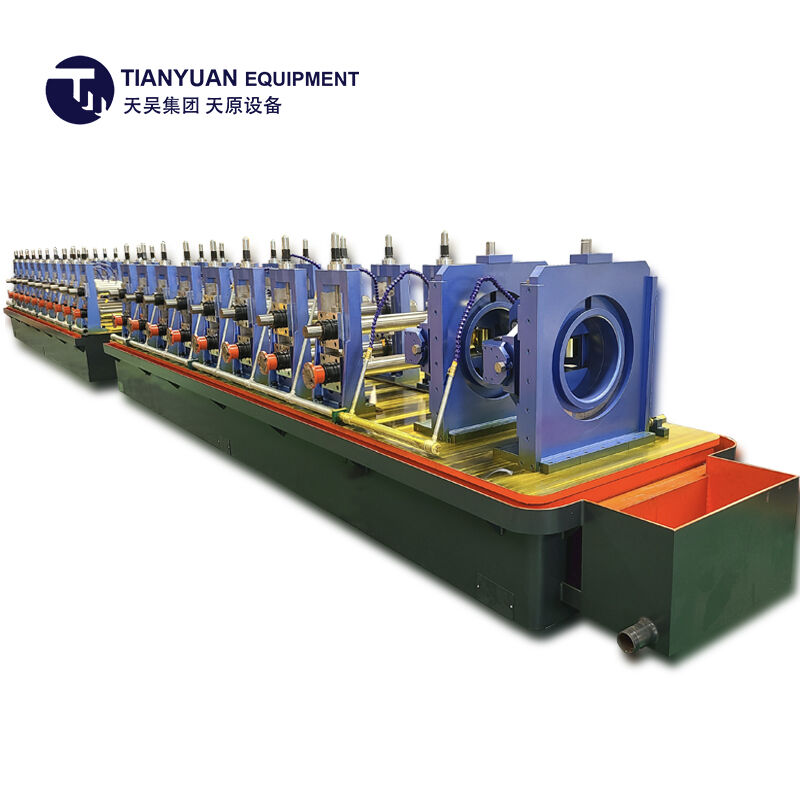
Moderní průmyslová výroba vyžaduje efektivní a přesné řešení pro výrobu potrubí a trubek, což činí výběr vhodného zařízení rozhodujícím faktorem pro provozní úspěch. Proces elektrického odporového svařování zásadně změnil průmysl výroby trubek tím, že nabízí vyšší rychlost, konzistenci a cenovou efektivitu ve srovnání s tradičními metodami. ERW trubkový válec představuje vrchol této technologie a poskytuje výrobcům možnost vyrábět vysoce kvalitní svařované trubky v dosud nevídaném měřítku. Tyto sofistikované stroje integrují několik procesů do jediné spojité operace – od přívodu materiálu až po finální kalibrování – a tím zajišťují optimální účinnost po celý výrobní cyklus.
Pochopení technologie elektrického odporového svařování
Základní principy procesu ERW
Odporové svařování elektrickým proudem funguje na principu vzniku tepla prostřednictvím elektrického odporu, když proud prochází kovovými povrchy ve vzájemném kontaktu. Proces začíná ocelovými pásky, které jsou neustále dopravovány do válcovny, kde procházejí přesným tvarováním pomocí řady válců. Když se okraje tvarované trubky setkají, vysokofrekvenční elektrický proud způsobí lokální ohřev v švu, čímž kov dosáhne teploty potřebné ke svaření bez tavení. Tento řízený proces ohřevu zajišťuje stálou kvalitu svaru a zároveň zachovává pevnost základního materiálu.
Systém trubkového válcovacího stroje pro svařování elektrickým odporem využívá sofistikovaných řídících mechanismů k regulaci proudu, aplikace tlaku a rychlosti svařování. Systémy monitorování teploty zajišťují optimální rozložení tepla podél svarového švu a tak předcházejí přehřátí nebo nedostatečnému sloučení. Pokročilé válcovací stroje zahrnují systémy zpětné vazby v reálném čase, které automaticky upravují parametry na základě vlastností materiálu a požadavků výroby. Tato úroveň automatizace snižuje zásah operátora a zároveň zajišťuje stálou kvalitu výrobků i při dlouhodobých výrobních cyklech.
Výhody technologie ERW oproti alternativním metodám
Ve srovnání s výrobou bezešvých trubek nebo jinými svařovacími metodami nabízí elektrické odporové svařování významné výhody z hlediska využití materiálu a energetické účinnosti. Tento proces generuje minimální množství odpadu, protože pracuje přímo se ocelovými kotouči a eliminuje nutnost provádět průrazné operace, které jsou vyžadovány při výrobě bezešvých trubek. Spotřeba energie zůstává relativně nízká díky lokálnímu způsobu ohřevu, který soustředí tepelnou energii přesně tam, kde dochází ke svařování, a nikoli na celé úseky trubek.
Rychlosti výroby dosažitelné na trubkovém válcovacím stroji s elektrickým odporem (ERW) daleko převyšují rychlosti alternativních metod, přičemž moderní systémy jsou schopny vyrábět stovky metrů trubek za minutu. Spojitý charakter procesu eliminuje cykly spuštění a zastavení, které jsou běžné u dávkových provozů, a tím přispívá ke zvýšení celkové účinnosti vybavení. Další významnou výhodou je konzistence kvality, neboť automatizovaný charakter ERW zpracování snižuje variabilitu spojenou s ručními operacemi nebo poloautomatickými systémy.
Hlavní komponenty a architektura systému
Návrh a funkčnost tvarovací části
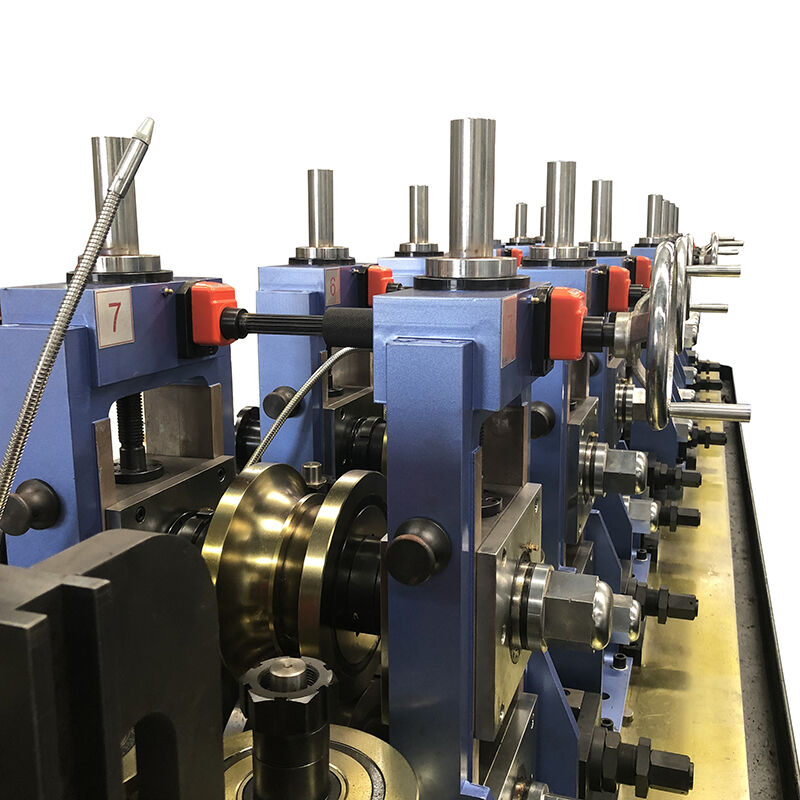
Formovací část tvoří srdce jakéhokoli ERW trubkového válcovacího stroje, kde se ploché ocelové pásky postupným válcováním přeměňují na trubkové tvary. Několik formovacích stanic vedou materiál prostřednictvím postupných ohýbacích operací, přičemž každá stanice přispívá ke konečné geometrii trubky. Optimalizace návrhu válců zajišťuje hladký tok materiálu a současně minimalizuje koncentrace napětí, které by mohly vést k povrchovým vadám nebo rozměrovým nerovnostem. Moderní formovací systémy jsou vybaveny rychle vyměnitelnými nástroji, aby bylo možné s minimálním časem nastavení zpracovávat různé rozměry trubek.
Systémy přesného zarovnání udržují přesné polohování pásu po celou dobu tvarovacího procesu a zabrání tak nesouhlasu okrajů, který by mohl ohrozit kvalitu svaru. Pokročilé válcovny jsou vybaveny servopoháněnými mechanismy pro polohování válců, které umožňují jemné úpravy během provozu a umožňují obsluze optimalizovat tvarovací parametry pro různé třídy materiálů nebo změny tloušťky. Tvarovací část zahrnuje také systémy přípravy okrajů, které zajišťují čisté a pravoúhlé okraje pásu, což je nezbytné pro vysokokvalitní svary.
Konfigurace a řídicí systémy svařovací stanice
Svařovací stanice představuje nejdůležitější součást systému ERW trubkového válcovacího stroje, kde elektrická energie přeměňuje sousední okraje kovu na nepřerušovaný svárový šev. Zdroje vysokofrekvenčního proudu dodávají přesně regulovaný elektrický proud prostřednictvím specializovaných elektrod nebo kontaktů umístěných kolem místa tváření. Systémy aplikace svařovacího tlaku zajistí správný kontakt okrajů a zároveň udržují konzistentní rozložení síly podél celé délky švu. Zařízení pro monitorování teploty poskytují reálnou zpětnou vazbu o podmínkách svařování, což umožňuje automatické úpravy za účelem udržení optimálních parametrů.
Moderní svařovací stanice zahrnují více bezpečnostních systémů, které chrání jak zařízení, tak obsluhu před elektrickými nebezpečími a mechanickými riziky. Uzavřené svařovací komory obsahují elektromagnetické emise a zároveň umožňují přístup pro údržbu a nastavovací operace. Chladicí systémy řídí teplotu elektrod a zabrání přehřátí kritických komponentů během dlouhodobých výrobních cyklů. Automatické monitorování rozměrů trubek zajistí stálou geometrii po celou dobu svařovacího procesu a spustí korekce v případě, že odchylky překročí předem stanovené tolerance.
Výrobní kapacity a výkonové ukazatele
Optimalizace rychlosti a výkonu
Optimalizace rychlosti výroby v ERW trubkovém válcovacím stroji zahrnuje vyvážení několika faktorů, včetně vlastností materiálu, rozměrů trubek a požadavků na kvalitu. Moderní systémy dosahují pozoruhodných rychlostí výroby integrací pokročilých algoritmů řízení procesu, které neustále optimalizují svařovací parametry na základě podmínek v reálném čase. Rychlostní možnosti se výrazně liší v závislosti na průměru a tloušťce stěny trubky, přičemž menší trubky obvykle umožňují vyšší výrobní rychlost díky nižšímu objemu materiálu a rychlejším cyklům ohřevu.
Maximalizace výkonu vyžaduje pečlivou koordinaci mezi systémy dodávky materiálu, tvářecími operacemi a zařízeními pro následný zpracování. Systémy zásobníků a akumulační kapacity zajišťují nepřetržitý provoz i v případě dočasných přerušení v procesech v horním nebo dolním toku. Pokročilé mlýny jsou vybaveny systémy prediktivní údržby, které sledují stav zařízení a plánují údržbové aktivity tak, aby se minimalizovala neplánovaná prostojová doba, čímž se maximalizuje celková účinnost vybavení (OEE) a výrobní kapacita.
Kontrola kvality a rozměrová přesnost
Zajištění kvality při erw Tube Mill provoz závisí na komplexních systémech monitoringu, které sledují kritické parametry po celou dobu výrobního procesu. Systémy měření rozměrů neustále ověřují průměr trubky, tloušťku stěny a oválnost, aby byla zajištěna shoda se stanovenými tolerancemi. Zařízení pro kontrolu svarových švů využívá různé technologie, včetně ultrazvukového zkoušení, zkoušení vířivými proudy a vizuálních kontrolních systémů, a to za účelem detekce potenciálních vad ještě před tím, než jsou výrobky uvolněny z výrobní linky.
Systémy statistické regulace procesu shromažďují a analyzují výrobní data, aby identifikovaly trendy a potenciální problémy s kvalitou ještě před tím, než ovlivní specifikace výrobků. Automatické systémy třídění a označování rozdělují výrobky podle tříd kvality a požadavků zákazníků, čímž zajišťují správnou identifikaci výrobků a jejich stopovatelnost. Pravidelné kalibrační postupy udržují přesnost měřicích systémů, zatímco školení obsluhy zajišťuje konzistentní uplatňování standardů kvality ve všech výrobních směnách.
Kompatibilita materiálů a rozsah použití
Možnosti zpracování tříd oceli
Moderní systémy pro výrobu elektricky svařovaných trubek prokazují výjimečnou univerzálnost při zpracování různých tříd oceli, od běžných uhlíkových ocelí až po vysoce pevné nízkolegované složení. Výběr materiálu výrazně ovlivňuje parametry svařování, přičemž jednotlivé třídy vyžadují specifické úrovně proudu, rychlosti svařování a po-svařovací úpravy. Nízkuhlíkové oceli se obvykle zpracovávají snadno za použití standardních parametrů, zatímco vysoce pevné třídy mohou vyžadovat upravené podmínky svařování, aby bylo dosaženo správného roztavení bez ohrožení mechanických vlastností.
Specializované ocelové třídy, jako jsou slitiny odolné proti korozi nebo počasí odolné oceli, představují jedinečné výrobní výzvy, kterým pokročilé válcovny přizpůsobují řešení prostřednictvím programovatelných systémů řízení parametrů. Systémy materiálové certifikace a sledovatelnosti zajišťují správnou dokumentaci ocelových tříd v průběhu celého výrobního procesu a uchovávají kvalitní záznamy vyžadované pro kritické aplikace. Předehřívací systémy umožňují zpracování materiálů s konkrétními požadavky na tepelné zpracování, zatímco řízení chlazení po svařování ovlivňuje vývoj mikrostruktury u tepelně zpracovatelných tříd.
Rozsah rozměrů a flexibilita specifikací
Rozměrová pružnost trubkového válcovacího stroje s elektrickým odporem (ERW) určuje jeho vhodnost pro různé tržní aplikace, přičemž jednotlivé stroje jsou optimalizovány pro konkrétní rozsahy rozměrů. Stroje pro malé průměry obvykle zpracovávají trubky s vnějším průměrem od 6 mm do 50 mm, zatímco systémy pro velké průměry zpracovávají trubky s průměrem přesahujícím 500 mm. Možnosti tloušťky stěny se mění úměrně, přičemž specializované stroje jsou navrženy buď pro tenkostěnné aplikace, nebo pro tlustostěnné konstrukční trubky, které vyžadují odlišné metody tváření a svařování.
Systémy nástrojů s rychlou výměnou umožňují rychlé přepínání mezi různými rozměry trubek, čímž se minimalizuje čas potřebný na nastavení a zvyšuje se flexibilita výroby. Modulární konstrukce válcovacích strojů umožňuje rozšíření kapacity nebo změnu rozsahu zpracovávaných rozměrů prostřednictvím aktualizace jednotlivých komponent místo úplné výměny celého systému. Systémy pro řezání na délku zajišťují přesnou kontrolu délky trubek, zatímco zařízení pro dokončování konců připravuje trubky pro konkrétní požadavky aplikací, včetně závitování, zkosení nebo připevnění spojovacích částí.
Aspekty instalace a uvádění do provozu
Požadavky na zařízení a plánování infrastruktury
Úspěšná instalace trubkového válcovacího stroje ERW vyžaduje komplexní plánování zařízení, které zohledňuje požadavky na prostor, dodávky užitkových služeb a systémy manipulace s materiálem. Výpočty plochy podlahy musí zohledňovat nejen samotný válcovací stroj, ale také prostory pro skladování materiálu, stanoviště kontroly kvality a zařízení pro manipulaci s hotovými výrobky. Nosné základy vyžadují přesné inženýrské řešení, aby odolaly dynamickým zatížením vznikajícím během provozu ve vysoké rychlosti a zároveň minimalizovaly přenos vibrací na sousední zařízení či konstrukci budovy.
Plánování elektrické infrastruktury zahrnuje systémy výkonného svařování, pohony motorů a řídicí zařízení, které dohromady představují významné elektrické zátěže. Z hlediska kvality elektrické energie je třeba zohlednit potlačení harmonických složek a regulaci napětí, aby byl zajištěn stabilní provoz citlivých elektronických řídicích systémů. Pro systémy stlačeného vzduchu, hydraulické pohonné jednotky a obvody chladicí vody je nutné pečlivě dimenzovat zařízení a zajistit redundanci, aby byla zachována schopnost nepřetržitého provozu.
Proces uvedení do provozu a ověření výkonu
Fáze uvedení do provozu při instalaci svařovacího trubkového valcovacího stroje ERW zahrnuje systematické testování a ověření všech komponent systému ještě před zahájením plné výroby. Počáteční postupy mechanického zarovnání zajišťují správné umístění zařízení a eliminují potenciální zdroje vibrací nebo předčasného opotřebení. Testování elektrického systému ověřuje správný provoz všech řídicích obvodů, bezpečnostních systémů a svařovacího zařízení za různých provozních podmínek.
Testování ověření výkonu prokazuje schopnosti systému v celém zamýšleném provozním rozsahu a potvrzuje rychlosti výroby, úrovně kvality a rozměrovou přesnost. Zkoušky materiálů s použitím reprezentativních tříd oceli stanovují optimální provozní parametry a zároveň identifikují případné úpravy standardních postupů. Školení obsluhy probíhající během uvedení do provozu zajistí, že výrobní personál pochopí správné provozní postupy a bezpečnostní protokoly ještě před tím, než začne provozovat zařízení samostatně.
Údržba a provozní excelence
Strategie preventivní údržby
Účinné programy údržby pro provoz trubkových válcovacích linek ERW se zaměřují na předcházení neplánovanému výpadku prostřednictvím systematických kontrol a plánované výměny komponentů. Kritické komponenty, jako jsou tvarovací válce, svařovací elektrody a pohonné systémy, vyžadují pravidelný monitoring za účelem detekce opotřebení ještě předtím, než ovlivní kvalitu výrobku nebo způsobí katastrofální poruchy. Programy mazání zajistí správný chod ložisek a ozubených kol a zároveň zabrání kontaminaci, která by mohla ohrozit spolehlivost systému.
Prediktivní technologie údržby, včetně monitoringu vibrací, termografického snímání a analýzy oleje, poskytují časná varování před vznikajícími problémy ještě před tím, než budou vyžadovat nouzové opravy. Správa zásob náhradních dílů zajišťuje dostupnost kritických komponentů a zároveň minimalizuje náklady na jejich skladování optimalizací úrovní zásob. Software pro plánování údržby koordinuje pravidelné činnosti s výrobními plány, aby byla maximální dostupnost zařízení zajištěna i v obdobích špičkové poptávky.
Provozní optimalizace a nepřetržitá zlepšování
Iniciativy nepřetržitého zlepšování v provozu válcovny ERW trubek se zaměřují na maximalizaci efektivity při zachování standardů kvality a minimalizaci odpadu. Systémy sběru dat sledují klíčové ukazatele výkonnosti, včetně rychlosti výroby, metrik kvality a spotřeby energie, aby byly identifikovány příležitosti pro optimalizaci. Statistická analýza výrobních dat odhaluje trendy a vzory, které vedou ke zlepšování procesů a doladění technologických parametrů.
Programy rozvoje dovedností obsluhy zajišťují, že výrobní personál rozumí možnostem zařízení a dokáže rozpoznat první známky odchylek procesu, které by mohly ovlivnit kvalitu výrobku. Iniciativy vzájemného školení zvyšují provozní flexibilitu a současně rozšiřují organizační znalosti o systémech válcovny ERW trubek. Pravidelné modernizace zařízení a aktualizace technologií udržují konkurenční výhody a prodlužují užitečnou životnost zařízení prostřednictvím modernizace namísto náhrady.
Tržní aplikace a odvětvové segmenty
Aplikace v stavebnictví a infrastruktuře
Stavební průmysl představuje významný tržní segment pro výrobky z trubkových válcovacích linek ERW, kde se svařované trubky používají ve stavebních konstrukcích, mechanických systémech a infrastrukturních projektech. Ocelové konstrukční trubky vyrobené těmito válcovacími linkami splňují přísné požadavky na pevnost a rozměrovou přesnost pro nosné konstrukce budov, mostů a průmyslových zařízení. Mezi aplikace v mechanických systémech patří potrubí pro systémy vytápění, ventilace a klimatizace (HVAC), zábradlí a architektonické prvky, kde přesné rozměry a stálá kvalita zajišťují správné uložení a estetický vzhled.
Projekty rozvoje infrastruktury výrazně závisí na výrobcích ERW trubkových válcovacích linek pro systémy rozvodu vody, plynové potrubí a elektrické kabelové kanály. Kombinace cenové výhodnosti a spolehlivosti činí svařované trubky zvláště vhodnými pro rozsáhlé projekty, kde se rozpočtové omezení vyvažuje s požadavky na výkon. Programy certifikace kvality zajistí, že výrobky splňují příslušné průmyslové normy a stavební předpisy v různých geografických trzích.
Požadavky automobilového a dopravního sektoru
Výroba automobilů představuje náročnou aplikaci pro výrobky z trubkových linek ERW, která vyžaduje výjimečnou rozměrovou přesnost a konzistentní mechanické vlastnosti pro bezpečnostně kritické komponenty. Trubky výfukových systémů musí odolávat vysokým teplotám a korozivním prostředím, aniž by ztratily svou strukturální integritu během celé životnosti vozidla. Konstrukční prvky podvozku využívají svařované trubky s vysokou pevností, které poskytují optimální poměr pevnosti vůči hmotnosti – klíčový požadavek moderního návrhu vozidel.
Aplikace v dopravním sektoru sahají dál než pouze automobilový průmysl a zahrnují železniční systémy, námořní zařízení a letecké komponenty, kde specializované trubkové výrobky splňují jedinečné požadavky na výkon. Systémy zajišťující stopovatelnost kvality zaručují správnou dokumentaci materiálových vlastností a výrobních procesů, která je vyžadována pro kritické aplikace. Pokročilé ERW trubkové linky jsou schopny splnit přísné tolerance a dosáhnout vynikající povrchové úpravy, které požadují zákazníci z dopravního průmyslu.
Často kladené otázky
Jaká je typická výrobní kapacita systému pro výrobu trubek metodou ERW?
Výrobní kapacita se výrazně liší podle rozměrů trubek a konfigurace válcovny; typické systémy produkují mezi 50 a 400 metrů za minutu, v závislosti na průměru a tloušťce stěny. Trubky menšího průměru obvykle umožňují vyšší lineární rychlosti, zatímco u výrobků většího průměru je nutné rychlost snížit, aby byly zachovány vhodné podmínky pro svařování. Moderní vysokorychlostní válcovny mohou při nepřetržitém provozu s optimalizovanými parametry a minimální prostojovou dobou dosáhnout ročních kapacit přesahujících 100 000 tun.
Jak se válcovna pro výrobu trubek metodou ERW porovnává s výrobou trubek bez švu z hlediska nákladů a kvality?
Výroba trubek s elektrickým odporem (ERW) obvykle nabízí nižší výrobní náklady díky vyšším rychlostem výroby a lepšímu využití materiálu ve srovnání s výrobou bezešvých trubek. Rozdíly v kvalitě jsou pro většinu aplikací minimální, neboť moderní systémy pro výrobu ERW trubek vyrábějí trubky, jejichž mechanické vlastnosti a rozměrová přesnost splňují nebo překračují specifikace bezešvých trubek. Volba mezi ERW a bezešvými výrobky často závisí na konkrétních požadavcích dané aplikace spíše než na vnitřních rozdílech kvality.
Jaké požadavky na údržbu jsou kritické pro optimální výkon ERW trubkového válcovacího stroje?
Kritické údržbové činnosti zahrnují pravidelnou kontrolu a výměnu tvářecích válců, svařovacích elektrod a komponent pohonného systému, které během provozu podléhají nepřetržitému opotřebení. Údržba mazacího systému zajišťuje správný chod ložisek a prodlužuje životnost zařízení, zatímco údržba chladicího systému brání přehřátí kritických komponent. Preventivní údržbové plány obvykle doporučují denní kontroly, týdenní mazací služby a měsíční komplexní kontrolu celého systému za účelem udržení optimální úrovně výkonu.
Je možné, aby trubkový válcovací stroj ERW zpracovával různé třídy oceli a rozměry bez větších úprav?
Moderní systémy trubkových válcovacích linek ERW jsou vybaveny flexibilními konstrukcemi, které umožňují zpracovávat různé třídy oceli prostřednictvím úpravy parametrů namísto změn hardwaru. Systémy nástrojů pro rychlou výměnu umožňují rychlé přepínání mezi různými rozměry trubek, přičemž úplná výměna obvykle trvá 2–4 hodiny v závislosti na rozdílu rozměrů. Změna třídy materiálu může vyžadovat úpravu svařovacích parametrů a použití jiných po-svařovacích úprav, avšak tyto úpravy lze obvykle provést prostřednictvím softwarového programování místo fyzické změny zařízení.
Obsah
- Pochopení technologie elektrického odporového svařování
- Hlavní komponenty a architektura systému
- Výrobní kapacity a výkonové ukazatele
- Kompatibilita materiálů a rozsah použití
- Aspekty instalace a uvádění do provozu
- Údržba a provozní excelence
- Tržní aplikace a odvětvové segmenty
-
Často kladené otázky
- Jaká je typická výrobní kapacita systému pro výrobu trubek metodou ERW?
- Jak se válcovna pro výrobu trubek metodou ERW porovnává s výrobou trubek bez švu z hlediska nákladů a kvality?
- Jaké požadavky na údržbu jsou kritické pro optimální výkon ERW trubkového válcovacího stroje?
- Je možné, aby trubkový válcovací stroj ERW zpracovával různé třídy oceli a rozměry bez větších úprav?