
 EN
EN
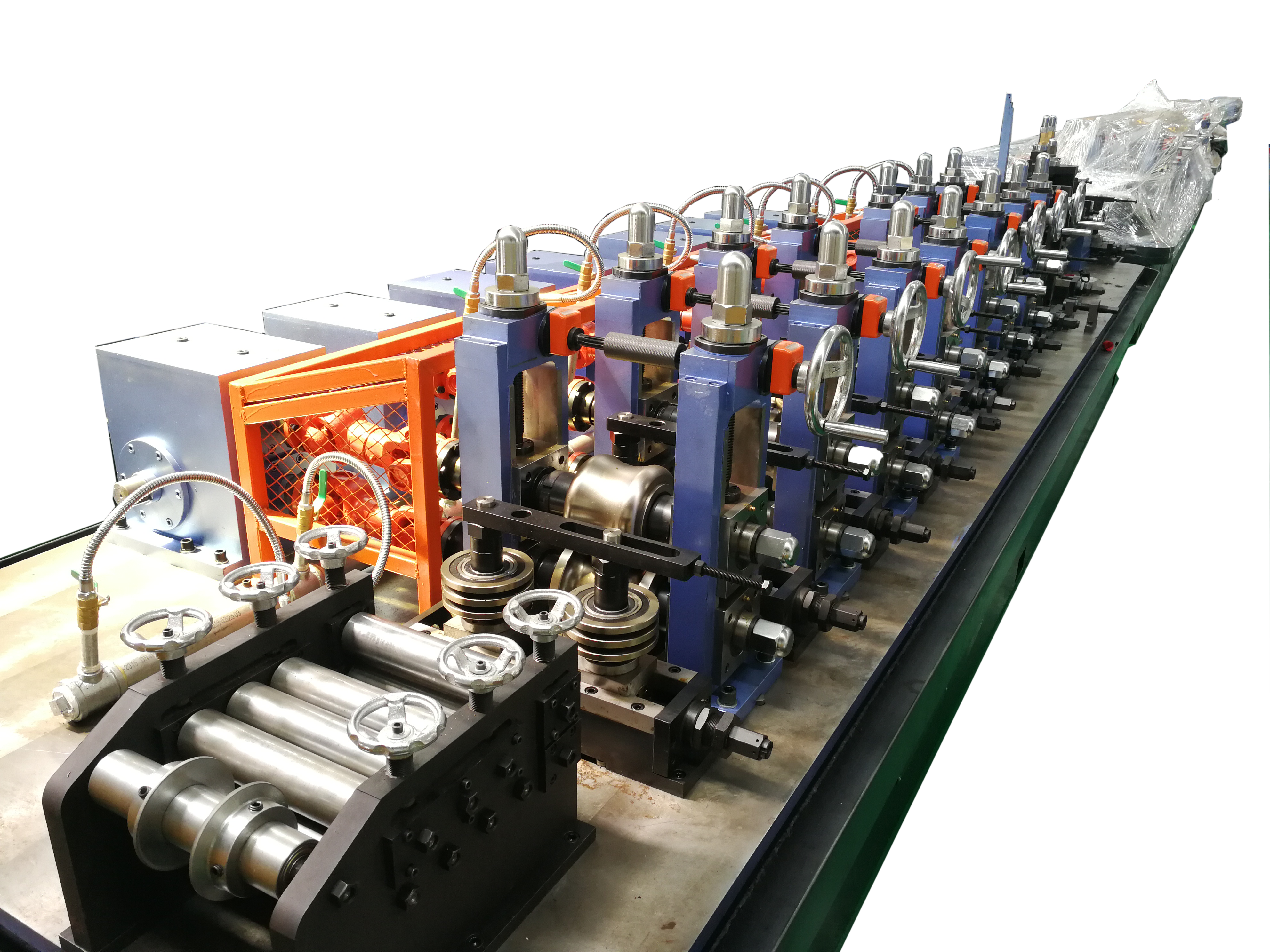
Οι βιομηχανικές επιχειρήσεις παραγωγής σε διάφορους τομείς αναγνωρίζουν ολοένα και περισσότερο τη στρατηγική σημασία της επένδυσης σε προηγμένο εξοπλισμό παραγωγής σωλήνων. Η απόφαση να ενσωματώσετε έναν στρώμα σωλήνων στη γραμμή παραγωγής σας αποτελεί σημαντική κεφαλαιακή επένδυση που απαιτεί προσεκτική εξέταση πολλαπλών λειτουργικών παραγόντων. Η κατανόηση των τεχνικών δυνατοτήτων, των απαιτήσεων παραγωγής και των οικονομικών επιπτώσεων της τεχνολογίας εργοστασίου σωλήνων ERW μπορεί να βοηθήσει τους κατασκευαστές να λάβουν ενημερωμένες αποφάσεις σχετικά με τις επενδύσεις τους σε εξοπλισμό. Τα σύγχρονα συστήματα εργοστασίου σωλήνων ERW προσφέρουν εξελιγμένες λύσεις για την παραγωγή υψηλής ποιότητας συγκολλημένων σωλήνων που ανταποκρίνονται σε αυστηρά βιομηχανικά πρότυπα, διατηρώντας παράλληλα ανταγωνιστικά κόστη παραγωγής.
Κατανόηση της Τεχνολογίας Εργοστασίου Σωλήνων ERW
Βασικές Αρχές Κατασκευής
Η τεχνολογία ηλεκτρικής αντιστατικής συγκόλλησης αποτελεί το θεμέλιο των σύγχρονων διαδικασιών κατασκευής σωλήνων. Ένα εργοστάσιο σωλήνων ERW χρησιμοποιεί ρεύμα υψηλής συχνότητας για τη δημιουργία ακριβών συγκολλήσεων κατά μήκος της διαμήκους ραφής σχηματοποιημένων λωρίδων χάλυβα. Αυτή η μέθοδος κατασκευής επιτρέπει τη συνεκτική παραγωγή συγκολλημένων σωλήνων με εξαιρετική ακρίβεια διαστάσεων και μηχανικές ιδιότητες. Η διαδικασία αρχίζει με την προετοιμασία των πηνίων χάλυβα, όπου τα πρώτα υλικά υπόκεινται σε προσεκτική εξέταση και επεξεργασία επιφάνειας για να διασφαλιστούν οι βέλτιστες συνθήκες συγκόλλησης.
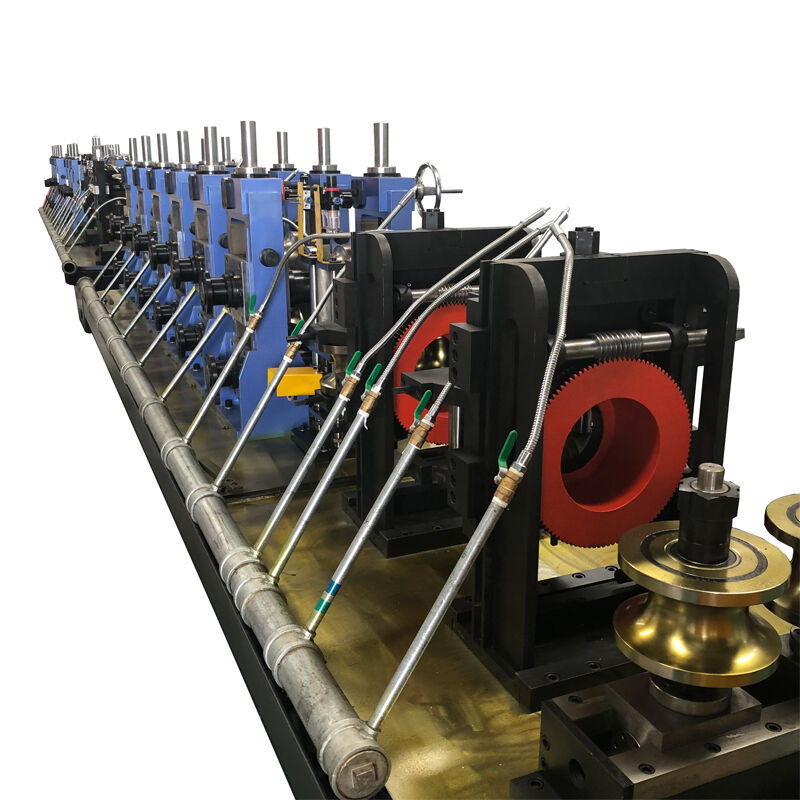
Το τμήμα διαμόρφωσης ενός εργοστασίου κατασκευής σωλήνων ERW διαμορφώνει σταδιακά επίπεδες λωρίδες χάλυβα σε κυλινδρικά προφίλ μέσω μιας σειράς ακριβώς βαθμονομημένων ρολών διαμόρφωσης. Τα προηγμένα συστήματα ελέγχου παρακολουθούν το πάχος του υλικού, το πλάτος της λωρίδας και τις ταχύτητες διαμόρφωσης για να διατηρούν συνεπή γεωμετρία σωλήνα καθ’ όλη τη διάρκεια των παραγωγικών κύκλων. Ο έλεγχος της θερμοκρασίας κατά τη διαδικασία συγκόλλησης διασφαλίζει την κατάλληλη εισαγωγή θερμότητας για την επίτευξη ισχυρών και αξιόπιστων συγκολλήσεων που ανταποκρίνονται στις βιομηχανικές προδιαγραφές για εφαρμογές υπό πίεση και δομικές απαιτήσεις.
Δυνατότητες Παραγωγής και Προδιαγραφές
Οι σύγχρονες εγκαταστάσεις ελάσματος σωλήνων ERW προσφέρουν εξαιρετική ευελιξία όσον αφορά τις διαμέτρους σωλήνων και τις προδιαγραφές πάχους τοιχώματος. Τα περισσότερα συστήματα βιομηχανικής κατηγορίας μπορούν να παράγουν σωλήνες που καλύπτουν φάσμα από εφαρμογές μικρής διαμέτρου έως μεγάλα δομικά προφίλ, ικανοποιώντας έτσι διαφορετικές ανάγκες της αγοράς μέσω μίας μόνο γραμμής παραγωγής. Η ακριβής μηχανική σχεδίαση των σύγχρονων εγκαταστάσεων ελάσματος σωλήνων επιτρέπει στους κατασκευαστές να διατηρούν στενά επιτρεπόμενα όρια ανοχής στις διαστασιακές προδιαγραφές, ενώ ταυτόχρονα επιτυγχάνουν υψηλές ταχύτητες παραγωγής που βελτιστοποιούν την απόδοση της κατασκευαστικής διαδικασίας.
Η ενσωμάτωση του ελέγχου ποιότητας αποτελεί κρίσιμο στοιχείο στις διαδικασίες λειτουργίας των εγκαταστάσεων παραγωγής σωλήνων ERW, με προηγμένα συστήματα που περιλαμβάνουν παρακολούθηση σε πραγματικό χρόνο της ακεραιότητας της συγκόλλησης, της διαστατικής ακρίβειας και της επιφανειακής απόδοσης. Τα αυτοματοποιημένα συστήματα ελέγχου μπορούν να εντοπίζουν πιθανές ελλείψεις κατά τη διάρκεια της παραγωγής, επιτρέποντας άμεσες διορθώσεις που ελαχιστοποιούν τις απώλειες και διασφαλίζουν συνεχή ποιότητα προϊόντων. Αυτές οι τεχνολογικές πρόοδοι έχουν βελτιώσει σημαντικά την αξιοπιστία και τα χαρακτηριστικά απόδοσης των σωλήνων που παράγονται με τη μέθοδο ERW σε διάφορες βιομηχανικές εφαρμογές.
Επιχειρηματικές Εφαρμογές και Ευκαιρίες Αγοράς
Απαιτήσεις του Βιομηχανικού Τομέα
Οι τομείς της κατασκευής και της ανάπτυξης υποδομών αποτελούν σημαντικές ευκαιρίες αγοράς για επιχειρήσεις που λειτουργούν εργοστάσιο παραγωγής σωλήνων ERW. Οι χάλυβες σωλήνες που παράγονται μέσω διαδικασιών ERW εκτελούν κρίσιμες λειτουργίες στα δομικά πλαίσια, τα συστήματα αγωγών και τις μηχανικές κατασκευές, οι οποίες απαιτούν αξιόπιστη απόδοση υπό διάφορες συνθήκες φόρτισης. Η αυξανόμενη ζήτηση για βιώσιμα δομικά υλικά έχει αυξήσει το ενδιαφέρον για υψηλής ποιότητας συγκολλημένους σωλήνες, οι οποίοι προσφέρουν ανώτερο λόγο αντοχής προς βάρος σε σύγκριση με παραδοσιακές δομικές εναλλακτικές λύσεις.
Οι αυτοκινητοβιομηχανία και ο τομέας των μεταφορών συνεχίζουν να επεκτείνουν τη χρήση σωλήνων ERW για εξαρτήματα του πλαισίου, συστήματα εξάτμισης και υδραυλικές εφαρμογές. Ο ακριβής έλεγχος των διαστάσεων, που επιτυγχάνεται με τη σύγχρονη τεχνολογία εργοστασίων σωλήνων ERW, επιτρέπει στους κατασκευαστές να πληρούν τις αυστηρές προδιαγραφές της αυτοκινητοβιομηχανίας, διατηρώντας ταυτόχρονα οικονομικά αποδοτικούς όγκους παραγωγής. Οι εφαρμογές στον ενεργειακό τομέα, συμπεριλαμβανομένων των υποδομών αγωγών πετρελαίου και φυσικού αερίου, απαιτούν σωλήνες ικανούς να αντέχουν υψηλές πιέσεις και διαβρωτικά περιβάλλοντα, κάνοντας την τεχνολογία ERW ιδιαίτερα κατάλληλη για αυτές τις απαιτητικές εφαρμογές.
Τοποθέτηση στην Αγορά και Ανταγωνιστικά Πλεονεκτήματα
Η δημιουργία μιας ανταγωνιστικής θέσης στην αγορά κατασκευής σωλήνων απαιτεί την κατανόηση των μοναδικών πλεονεκτημάτων που προσφέρει η τεχνολογία εγκατάστασης σωλήνων ERW σε σύγκριση με εναλλακτικές μεθόδους παραγωγής. Οι σωλήνες ERW προσφέρουν συνήθως ανώτερη οικονομική απόδοση σε σύγκριση με την παραγωγή ασφαλών σωλήνων, διατηρώντας παράλληλα εξαιρετικές μηχανικές ιδιότητες κατάλληλες για τις περισσότερες βιομηχανικές εφαρμογές. Η δυνατότητα παραγωγής συνεκτικής ποιότητας με υψηλές ταχύτητες παραγωγής επιτρέπει στους κατασκευαστές να ανταποκρίνονται αποτελεσματικά στις διακυμάνσεις της αγοράς και στις απαιτήσεις των πελατών.
Οι γεωγραφικοί παράγοντες της αγοράς διαδραματίζουν σημαντικό ρόλο στον καθορισμό της εφικτότητας των επενδύσεων σε εγκαταστάσεις παραγωγής σωλήνων ERW για συγκεκριμένες επιχειρηματικές δραστηριότητες. Τα περιφερειακά έργα ανάπτυξης υποδομών, οι τοπικές τάσεις βιομηχανικής ανάπτυξης και η εγγύτητα με τους προμηθευτές πρώτων υλών μπορούν να επηρεάσουν σημαντικά την επικερδότητα των επιχειρηματικών σχεδίων παραγωγής σωλήνων. Η κατανόηση αυτών των δυναμικών της αγοράς βοηθά τις επιχειρήσεις να προσδιορίσουν τη βέλτιστη χρονική στιγμή για επενδύσεις σε εξοπλισμό και στρατηγικές επέκτασης της παραγωγικής ικανότητας.
Οικονομικές Παράμετροι και Ανάλυση Επένδυσης
Αρχικές Κεφαλαιακές Απαιτήσεις
Η οικονομική δέσμευση που συνδέεται με την απόκτηση ενός εργοστασίου κατασκευής σωλήνων ERW περιλαμβάνει πολλαπλά στοιχεία κόστους πέραν της αγοράς του κύριου εξοπλισμού. Τα έξοδα εγκατάστασης, η προετοιμασία των εγκαταστάσεων, η υποδομή χρήσεων (ηλεκτρικής ενέργειας, νερού, αερίου κ.λπ.) και τα προγράμματα εκπαίδευσης των χειριστών αποτελούν σημαντικές επιπλέον επενδύσεις που πρέπει να ληφθούν υπόψη στον εκτεταμένο προϋπολογισμό του έργου. Τα σύγχρονα συστήματα εργοστασίων κατασκευής σωλήνων απαιτούν ειδικές διαμορφώσεις ηλεκτρικής ισχύος, συστήματα ψύξης με νερό και εξοπλισμό χειρισμού υλικών, τα οποία ενδέχεται να απαιτούν τροποποιήσεις ή βελτιώσεις των υφιστάμενων εγκαταστάσεων.
Οι συμφωνίες προμήθειας πρώτων υλών και οι στρατηγικές διαχείρισης αποθεμάτων επηρεάζουν σημαντικά τη λειτουργική οικονομικότητα των εγκαταστάσεων εργασίας ελάσματος σωλήνων ERW. Η προμήθεια μεταλλικών πηνίων χάλυβα αποτελεί το μεγαλύτερο μεταβλητό κόστος στην κατασκευή σωλήνων, καθιστώντας τις σχέσεις με τους προμηθευτές και τις συμφωνίες τιμών κρίσιμους παράγοντες για τη διατήρηση ανταγωνιστικών κόστων παραγωγής. Οι επιχειρήσεις πρέπει να αξιολογούν την τοπική διαθεσιμότητα χάλυβα, το κόστος μεταφοράς και τις προδιαγραφές ποιότητας κατά την αξιολόγηση της οικονομικής βιωσιμότητας των επενδύσεων σε εγκαταστάσεις εργασίας ελάσματος σωλήνων σε συγκεκριμένες γεωγραφικές αγορές.
Προβλέψεις Απόδοσης Επένδυσης
Η υπολογιστική εκτίμηση των ρεαλιστικών προβλέψεων απόδοσης επενδύσεων για τις εγκαταστάσεις κατασκευής σωλήνων ERW απαιτεί προσεκτική ανάλυση των μοτίβων ζήτησης της αγοράς, των τάσεων τιμών και των ποσοστών αξιοποίησης της παραγωγικής ικανότητας. Τα ιστορικά δεδομένα της αγοράς δείχνουν ότι οι επιχειρήσεις κατασκευής σωλήνων επιτυγχάνουν συνήθως θετική ταμειακή ροή εντός δεκαοκτώ έως τριάντα έξι μηνών από την έναρξη λειτουργίας τους, ανάλογα με τις συνθήκες της αγοράς και τα επίπεδα λειτουργικής απόδοσης. Στον σχεδιασμό του όγκου παραγωγής πρέπει να λαμβάνονται υπόψη οι εποχιακές διακυμάνσεις της ζήτησης και οι προβλέψεις μακροπρόθεσμης ανάπτυξης της αγοράς, προκειμένου να διασφαλιστεί η βιώσιμη κερδοφορία.
Οι στρατηγικές βελτιστοποίησης του λειτουργικού κόστους μπορούν να βελτιώσουν σημαντικά τη χρηματοοικονομική απόδοση των επενδύσεων σε εγκαταστάσεις κατασκευής σωλήνων ERW μέσω αυξημένης απόδοσης και μείωσης της παραγωγής αποβλήτων. Η διαχείριση της κατανάλωσης ενέργειας, τα προληπτικά προγράμματα συντήρησης και οι βελτιώσεις του ελέγχου ποιότητας συμβάλλουν στη μείωση του κόστους παραγωγής ανά μονάδα, ενώ διατηρείται η ποιότητα του προϊόντος σύμφωνα με τα καθορισμένα πρότυπα. Αυτές οι λειτουργικές βελτιώσεις συνήθως συσσωρεύονται με τον καιρό, οδηγώντας σε βελτιωμένα περιθώρια κέρδους και ενισχυμένη ανταγωνιστική θέση στις στόχος αγορές.
Τεχνική Υλοποίηση και Απαιτήσεις Εγκατάστασης
Θεωρήσεις Σχετικά με την Υποδομή της Εγκατάστασης
Η επιτυχημένη εφαρμογή ενός ελαστηρίου σωλήνων ERW απαιτεί ολοκληρωμένο σχεδιασμό της εγκατάστασης, ο οποίος αντιμετωπίζει τις απαιτήσεις χώρου, τη λογιστική ροής υλικών και τους παράγοντες ασφάλειας. Οι διατάξεις του εργοστασιακού δαπέδου πρέπει να προσαρμόζονται στις περιοχές αποθήκευσης πρώτων υλών, στην τοποθέτηση του εξοπλισμού ελαστηρίου σωλήνων, στα συστήματα χειρισμού τελικών προϊόντων και στους σταθμούς ελέγχου ποιότητας. Τα επαρκή ύψη οροφής και οι δυνατότητες δομικής υποστήριξης είναι απαραίτητα για την κατάλληλη εγκατάσταση εξοπλισμού χειρισμού υλικών σε υψηλό επίπεδο και συστημάτων εξαερισμού, που απαιτούνται για την ασφαλή λειτουργία.
Οι απαιτήσεις υποδομής ηλεκτρικής ενέργειας για τις εγκαταστάσεις παραγωγής σωλήνων ERW υπερβαίνουν συνήθως τις τυπικές βιομηχανικές διαμορφώσεις ηλεκτρικής ισχύος, λόγω των συστημάτων υψηλής συχνότητας συγκόλλησης και του εξοπλισμού ακριβούς ελέγχου. Οι τριφασικές παροχές ηλεκτρικής ενέργειας με κατάλληλη ρύθμιση τάσης και δυνατότητες φιλτραρίσματος αρμονικών διασφαλίζουν τη σταθερή λειτουργία των ευαίσθητων ηλεκτρονικών στοιχείων. Ενδέχεται να απαιτούνται συστήματα αναφοράς ηλεκτρικής ενέργειας για να αποτραπούν διακοπές της παραγωγής και να προστατευθεί ο ακριβός εξοπλισμός από προβλήματα ποιότητας ηλεκτρικής ενέργειας, τα οποία θα μπορούσαν να οδηγήσουν σε δαπανηρές επισκευές ή ανάγκη επαναβαθμονόμησης.
Ανάπτυξη και Εκπαίδευση Προσωπικού
Η λειτουργία ενός εργοστασίου κατασκευής σωλήνων ERW απαιτεί εξειδικευμένους τεχνικούς που κατανοούν τόσο τα μηχανικά συστήματα όσο και τις ηλεκτρονικές τεχνολογίες ελέγχου. Τα εκτενή προγράμματα εκπαίδευσης πρέπει να καλύπτουν τις διαδικασίες λειτουργίας του εξοπλισμού, τα πρωτόκολλα ελέγχου ποιότητας, τις απαιτήσεις ασφάλειας και τις τεχνικές αντιμετώπισης προβλημάτων, προκειμένου να επιτευχθεί αποτελεσματική διαχείριση της παραγωγής. Πολλοί κατασκευαστές εξοπλισμού προσφέρουν εξειδικευμένες υπηρεσίες εκπαίδευσης που βοηθούν τις επιχειρήσεις να αναπτύξουν εσωτερική εμπειρογνωμοσύνη, ελαχιστοποιώντας παράλληλα την καμπύλη μάθησης που συνδέεται με την εφαρμογή νέων τεχνολογιών.
Οι συνεχιζόμενες πρωτοβουλίες ανάπτυξης του ανθρώπινου δυναμικού συμβάλλουν στη διατήρηση της εξαιρετικής λειτουργικότητας και στη συνεχή βελτίωση της αποδοτικότητας της παραγωγής. Οι τακτικές ενημερώσεις εκπαίδευσης σχετικά με νέες τεχνολογίες, πρωτόκολλα ασφαλείας και πρότυπα ποιότητας βοηθούν στη διατήρηση υψηλών επιδόσεων, ενώ μειώνουν τον κίνδυνο ατυχημάτων ή ζημιάς στον εξοπλισμό. Η δημιουργία εσωτερικών δυνατοτήτων εκπαίδευσης επιτρέπει στις επιχειρήσεις να διατηρούν τη συνοχή στις λειτουργίες τους και, με τον καιρό, να μειώνουν την εξάρτησή τους από εξωτερικές υπηρεσίες τεχνικής υποστήριξης.
Έλεγχος Ποιότητας και Συμμόρφωση με Πρότυπα
Βιομηχανικοί Κανόνες και Πιστοποιήσεις
Οι σύγχρονες εγκαταστάσεις κατασκευής σωλήνων ERW πρέπει να συμμορφώνονται με πληθώρα βιομηχανικών προτύπων και πιστοποιητικών ποιότητας που διασφαλίζουν την αξιοπιστία των προϊόντων και την αποδοχή τους στην αγορά. Διεθνή πρότυπα, όπως τα ASTM, API και ISO, καθορίζουν τις ανοχές διαστάσεων, τις μηχανικές ιδιότητες και τις απαιτήσεις δοκιμών για τους συγκολλημένους σωλήνες που χρησιμοποιούνται σε διάφορες εφαρμογές. Η διατήρηση της συμμόρφωσης προς αυτά τα πρότυπα απαιτεί αποτελεσματικά συστήματα διαχείρισης ποιότητας και τακτικούς εξωτερικούς ελέγχους από τρίτους για την επαλήθευση των δυνατοτήτων παραγωγής και της αποτελεσματικότητας του ελέγχου ποιότητας.
Οι απαιτήσεις τεκμηρίωσης για τα προγράμματα πιστοποίησης ποιότητας απαιτούν εξαντλητικά συστήματα καταγραφής δεδομένων, τα οποία παρακολουθούν την εντοπισιμότητα των υλικών, τις παραμέτρους παραγωγής και τα αποτελέσματα δοκιμών για κάθε παρτίδα παραγωγής. Τα ηλεκτρονικά συστήματα διαχείρισης δεδομένων, που είναι ενσωματωμένα στα συστήματα ελέγχου των εγκαταστάσεων κατασκευής σωλήνων ERW, μπορούν να αυτοματοποιήσουν μεγάλο μέρος αυτής της διαδικασίας τεκμηρίωσης, εξασφαλίζοντας την ακρίβεια και την πληρότητα των αρχείων ποιότητας. Αυτά τα συστήματα διευκολύνουν επίσης την ταχεία ανταπόκριση σε ερωτήματα πελατών και στις απαιτήσεις συμμόρφωσης προς τη νομοθεσία, οι οποίες ενδέχεται να προκύψουν κατά τη διάρκεια της ζωής λειτουργίας του προϊόντος.
Πρωτόκολλα Δοκιμών και Ελέγχου
Η εφαρμογή αποτελεσματικών πρωτοκόλλων δοκιμών και επιθεώρησης καθ' όλη τη διάρκεια της παραγωγικής διαδικασίας του εργοστασίου ελάσματος ERW συμβάλλει στον εντοπισμό πιθανών προβλημάτων ποιότητας προτού επηρεάσουν τα τελικά προϊόντα. Οι μη καταστροφικές μέθοδοι δοκιμής, όπως η υπερηχητική επιθεώρηση και η ηλεκτρομαγνητική δοκιμή, μπορούν να ανιχνεύσουν ελαττώματα στις συγκολλήσεις και ασυνέχειες του υλικού χωρίς να προκαλέσουν ζημιά στους παραγόμενους σωλήνες. Οι τεχνικές στατιστικού ελέγχου διαδικασίας βοηθούν στη διατήρηση σταθερών επιπέδων ποιότητας, ενώ βελτιστοποιούν την απόδοση της παραγωγής και ελαχιστοποιούν την παραγωγή αποβλήτων.
Οι προηγμένες τεχνολογίες επιθεώρησης που ενσωματώνονται σε σύγχρονα συστήματα εργοστασίου ελάσματος ERW παρέχουν σε πραγματικό χρόνο ανατροφοδότηση σχετικά με την ποιότητα της παραγωγής και επιτρέπουν άμεσες διορθώσεις σε περίπτωση αποκλίσεων. Τα αυτοματοποιημένα συστήματα μέτρησης μπορούν να παρακολουθούν τη διαστασιακή ακρίβεια, την ποιότητα της επιφανειακής κατεργασίας και την ακεραιότητα των συγκολλήσεων καθ' όλη τη διάρκεια των παραγωγικών κύκλων. Αυτές οι τεχνολογίες μειώνουν σημαντικά την ανάγκη για επιθεώρηση με χειροκίνητη διαδικασία, ενώ βελτιώνουν τη συνολική συνέπεια των προϊόντων και τα επίπεδα ικανοποίησης των πελατών.
Συχνές ερωτήσεις
Ποιός όγκος παραγωγής μπορεί να επιτευχθεί με μία εγκατάσταση κατασκευής σωλήνων ERW;
Οι όγκοι παραγωγής για μία εγκατάσταση κατασκευής σωλήνων ERW κυμαίνονται συνήθως από 20.000 έως 150.000 τόνους ετησίως, ανάλογα με το μέγεθος του εξοπλισμού, τις προδιαγραφές των σωλήνων και τη λειτουργική απόδοση. Μικρότερες εγκαταστάσεις που επικεντρώνονται σε ειδικές εφαρμογές μπορούν να παράγουν 20.000–50.000 τόνους ετησίως, ενώ συστήματα μεγάλης κλίμακας για βιομηχανική χρήση μπορούν να υπερβαίνουν τους 100.000 τόνους ετησίως. Οι πραγματικοί ρυθμοί παραγωγής εξαρτώνται από τη διάμετρο του σωλήνα, το πάχος του τοιχώματος, τους βαθμούς υλικού και τον αριθμό των βαρών εργασίας ανά ημέρα. Οι περισσότεροι κατασκευαστές επιτυγχάνουν βέλτιστη απόδοση με προγράμματα συνεχούς λειτουργίας που μεγιστοποιούν την αξιοποίηση του εξοπλισμού, διατηρώντας ταυτόχρονα τα πρότυπα ποιότητας.
Πόσο χρόνο διαρκεί συνήθως η εγκατάσταση μίας εγκατάστασης κατασκευής σωλήνων ERW;
Η πλήρης εγκατάσταση και θέση σε λειτουργία ενός εργοστασίου εξωτερικής συγκόλλησης (ERW) συνήθως απαιτεί 4–8 μήνες, από την παράδοση του εξοπλισμού μέχρι την επίτευξη πλήρους παραγωγικής ικανότητας. Αυτό το χρονοδιάγραμμα περιλαμβάνει την προετοιμασία των θεμελίων, την εγκατάσταση του εξοπλισμού, τις συνδέσεις υποδομών (ηλεκτρικής ενέργειας, νερού, αερίου κ.λπ.), τη βαθμονόμηση και την εκπαίδευση των χειριστών. Οι πιο περίπλοκες εγκαταστάσεις, με εκτεταμένη αυτοματοποίηση ή εξειδικευμένες προδιαγραφές, ενδέχεται να απαιτούν επιπλέον χρόνο για την ολοκλήρωση της ενσωμάτωσης και των δοκιμών του συστήματος. Η κατάλληλη σχεδίαση του έργου και η συνεργασία με τους προμηθευτές εξοπλισμού μπορούν να βοηθήσουν στην ελαχιστοποίηση του χρόνου εγκατάστασης, διασφαλίζοντας ταυτόχρονα τη σωστή λειτουργικότητα του συστήματος και τη συμμόρφωσή του με τις προδιαγραφές ασφαλείας.
Ποιες απαιτήσεις συντήρησης πρέπει να προσδοκώνται για τις λειτουργίες εργοστασίου εξωτερικής συγκόλλησης (ERW);
Η τακτική συντήρηση ενός εγκατεστημένου εργοστασίου κατασκευής σωλήνων ERW περιλαμβάνει καθημερινούς ελέγχους λίπανσης, εβδομαδιαίες επιθεωρήσεις των ρολών διαμόρφωσης, μηνιαία επαλήθευση βαθμονόμησης και τριμηνιαία συντήρηση κύριων εξαρτημάτων. Κρίσιμα εξαρτήματα, όπως οι ηλεκτρόδιοι συγκόλλησης, οι ρολοί διαμόρφωσης και τα συστήματα κίνησης, απαιτούν προγραμματισμένη αντικατάσταση βάσει των όγκων παραγωγής και των μοτίβων φθοράς. Τα προληπτικά προγράμματα συντήρησης μειώνουν συνήθως την απρόβλεπτη διακοπή λειτουργίας κατά 60–80% σε σύγκριση με προσεγγίσεις αντιδραστικής συντήρησης. Οι περισσότεροι κατασκευαστές συνιστούν τη διατήρηση αποθέματος ανταλλακτικών ισοδύναμου με 3–6 μήνες κανονικής φθοράς εξαρτημάτων, προκειμένου να ελαχιστοποιηθούν οι διακοπές της παραγωγής.
Ποιες προδιαγραφές πρώτων υλών απαιτούνται για βέλτιστη απόδοση του εργοστασίου κατασκευής σωλήνων ERW;
Η βέλτιστη απόδοση της εγκατάστασης κατασκευής σωλήνων ERW απαιτεί μεταλλικά πηνία χάλυβα με σταθερή ανοχή πάχους (±0,05 mm), καθαρή επιφάνεια και κατάλληλες μηχανικές ιδιότητες για τη συγκεκριμένη εφαρμογή. Οι βαθμοί χάλυβα κυμαίνονται συνήθως από δομικούς χάλυβες χαμηλής περιεκτικότητας σε άνθρακα μέχρι υψηλής αντοχής κράματα, ανάλογα με τις απαιτήσεις της τελικής χρήσης. Η ακρίβεια του πλάτους του πηνίου, η ποιότητα των άκρων και η επιφανειακή επεξεργασία επηρεάζουν σημαντικά την αποδοτικότητα της παραγωγής και την τελική ποιότητα των σωλήνων. Οι προμηθευτές υλικού οφείλουν να παρέχουν λεπτομερή χημική ανάλυση και πιστοποίηση μηχανικών ιδιοτήτων για να διασφαλίσουν τη συμβατότητα με τις συγκεκριμένες διαμορφώσεις εγκαταστάσεων κατασκευής σωλήνων ERW και τις παραμέτρους συγκόλλησης.
Πίνακας Περιεχομένων
- Κατανόηση της Τεχνολογίας Εργοστασίου Σωλήνων ERW
- Επιχειρηματικές Εφαρμογές και Ευκαιρίες Αγοράς
- Οικονομικές Παράμετροι και Ανάλυση Επένδυσης
- Τεχνική Υλοποίηση και Απαιτήσεις Εγκατάστασης
- Έλεγχος Ποιότητας και Συμμόρφωση με Πρότυπα
-
Συχνές ερωτήσεις
- Ποιός όγκος παραγωγής μπορεί να επιτευχθεί με μία εγκατάσταση κατασκευής σωλήνων ERW;
- Πόσο χρόνο διαρκεί συνήθως η εγκατάσταση μίας εγκατάστασης κατασκευής σωλήνων ERW;
- Ποιες απαιτήσεις συντήρησης πρέπει να προσδοκώνται για τις λειτουργίες εργοστασίου εξωτερικής συγκόλλησης (ERW);
- Ποιες προδιαγραφές πρώτων υλών απαιτούνται για βέλτιστη απόδοση του εργοστασίου κατασκευής σωλήνων ERW;