 EN
EN
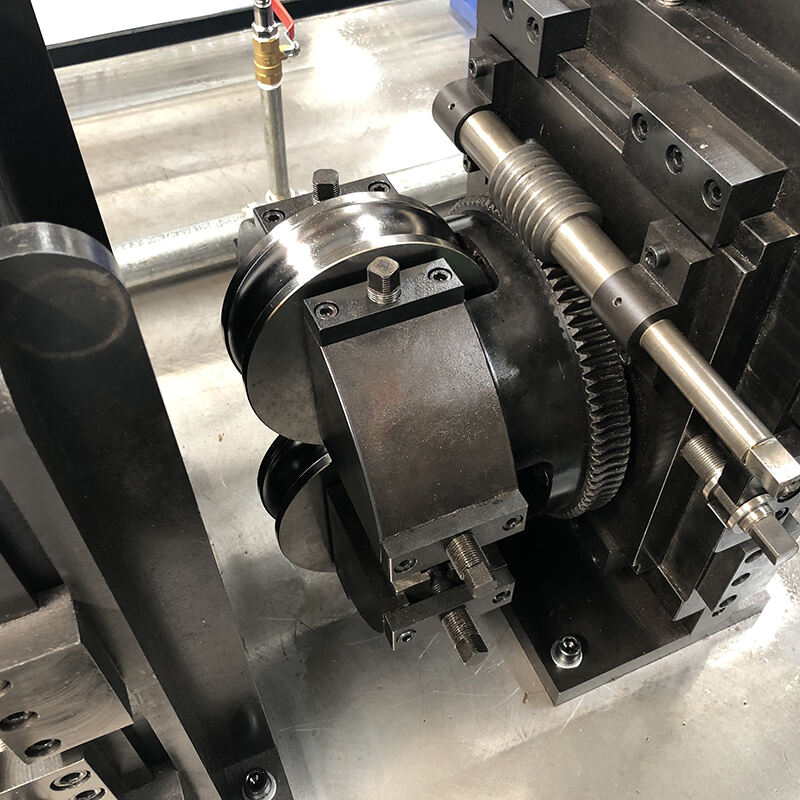
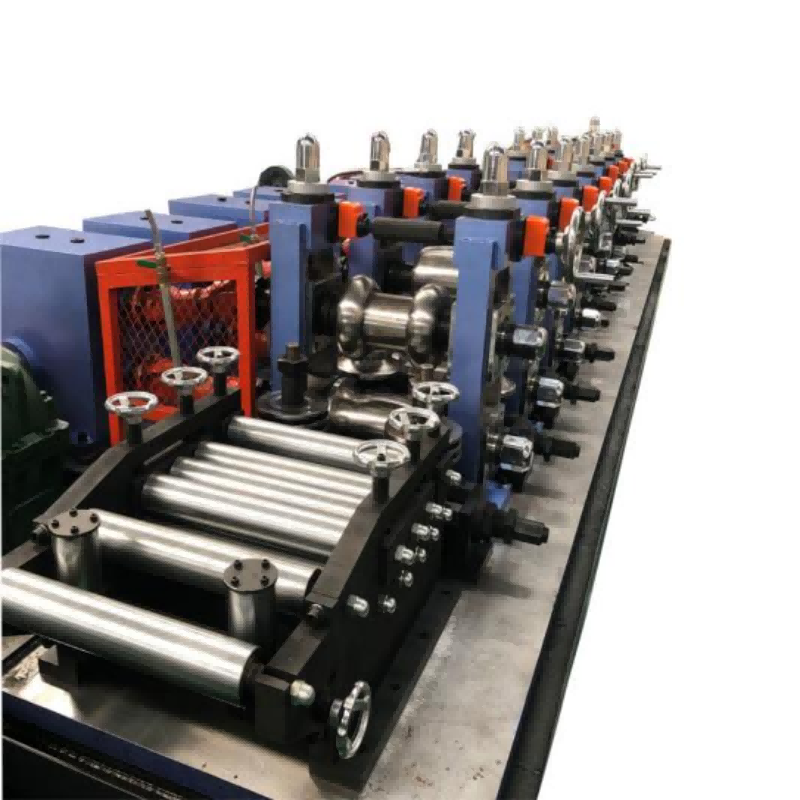
Қазіргі заманғы өндіріс салалары жоғары сапалы құбырлы өнімдерді тиімді және үнемді өндіру үшін озық жабдықтарға қатты сүйенеді. Түтік қалыптау машинасы автомобиль және аэроғарыштан бастап құрылыс және жиһаз өндірісіне дейінгі салаларда таптырмас активке айналды. Бұл күрделі жүйелер бірқатар бақыланатын қалыптау процестері арқылы жалпақ металл жолақтарды дәл цилиндрлік пішіндерге айналдырады. Қазіргі заманғы құбыр қалыптау технологиясын анықтайтын негізгі ерекшеліктерді түсіну өндірістік мүмкіндіктерін оңтайландыруға және бүгінгі талапшыл нарықта бәсекелестік артықшылықтарын сақтауға тырысатын өндірушілер үшін өте маңызды.
Заманауи басқару жүйелері мен автоматтандыру
Дәл компьютерлік сандық басқару интеграциясы
Қазіргі заманғы түтік қалыптау машиналарының конструкциялары өндіріс процесінде бұрын-соңды болмаған дәлдікті қамтамасыз ететін күрделі компьютерлік сандық басқару жүйелерін қамтиды. Бұл озық басқару механизмдері операторларға диаметр, қабырға қалыңдығы және ұзындық өзгерістері үшін нақты параметрлерді ерекше дәлдікпен бағдарламалауға мүмкіндік береді. Нақты уақыт режиміндегі бақылау мүмкіндіктерін біріктіру материал қалдықтары мен жұмыстың тоқтап қалу уақытын азайта отырып, өндіріс барысында тұрақты сапаны қамтамасыз етеді.
Қазіргі заманғы CNC жүйелері интуитивті сенсорлық экран интерфейстерімен жабдықталған, бұл жұмысты жеңілдетеді және жаңа қызметкерлер үшін оқу қисығын азайтады. Бірнеше қалыптау бағдарламаларын сақтау мүмкіндігі әртүрлі өнім сипаттамалары арасында жылдам ауысуға мүмкіндік береді, бұл жалпы өндіріс икемділігін айтарлықтай арттырады. Бұл басқару жүйелері сонымен қатар компоненттердің тозу үлгілерін бақылайтын және операторларды қымбат жабдықтың істен шығуына әкелетін ықтимал мәселелер туралы ескертетін болжамды техникалық қызмет көрсету алгоритмдерін қамтиды.
Автоматтандырылған қоректендіру және өңдеу жүйелері
Автоматтандырылған материалдарды өңдеу заманауи түтікшелерді қалыптау технологиясындағы тағы бір маңызды жетістік болып табылады. Заманауи машиналарда шикізат жолақтарын адамның минималды араласуымен қалыптау процесінде автоматты түрде орналастыратын және бағыттайтын күрделі беру жүйелері бар. Бұл жүйелерде материалдың жылжу жылдамдығын дәл басқаратын және қалыптау тізбегі бойы тұрақты кернеуді сақтайтын серво басқарылатын механизмдер бар.
Автоматтандырылған кесу және түсіру жүйелерін енгізу дайын өнімдерді қолмен өңдеу талаптарын жою арқылы жұмыс тиімділігін одан әрі арттырады. Жетілдірілген түтікшелерді қалыптастыру машиналарының модельдеріне шикізатты енгізуден бастап дайын өнім шығаруға дейінгі бүкіл өндіріс процесін жеңілдететін интеграцияланған конвейерлік жүйелер және роботтандырылған өңдеу компоненттері кіреді.
Жоғары өнімді қалыптау технологиясы
Көп сатылы прогрессивті қалыптастыру
Қазіргі заманғы түтікше пішіндеу машиналары мұқият калибрленген пішіндеу станциялары арқылы жалпақ металл жолақтарын біртіндеп дөңгелек көлденең қималарға айналдыратын көп сатылы прогрессивті пішіндеу әдістерін пайдаланады. Бұл тәсіл материалдың кернеуін азайтады және бір сатылы пішіндеу процестерімен жиі байланысты ақаулардың пайда болуына жол бермейді. Әрбір пішіндеу станциясы материалдың тұтастығын бұзбай, қажетті соңғы геометрияға қол жеткізетін біртіндеп пішін өзгерістерін қолданады.
Прогрессивті қалыптау тәсілі жоғары өлшемді дәлдікпен және беткі өңдеу сапасымен түтіктерді өндіруге мүмкіндік береді. Жетілдірілген машиналар әртүрлі материал қалыңдығы мен түтік диаметрлерін ескере отырып дәл орналастыруға болатын реттелетін қалыптау роликтерін қамтиды. Бұл икемділік өндірушілерге бір ғана түтікшені пайдаланып әртүрлі өнім түрлерін шығаруға мүмкіндік береді. труба жасау машинасы платформа, жабдықты пайдалануды және инвестициялардың қайтарымдылығын барынша арттыру.
Дәнекерлеу және тігу мүмкіндіктерін жақсарту
Қазіргі заманғы түтік қалыптау жүйелері түтік қабырғасының тұтастығын бұзбай берік, біркелкі жіктер жасайтын озық дәнекерлеу технологияларын қамтиды. Жоғары жиілікті индукциялық дәнекерлеу жылу әсер ететін аймақтарды азайтатын және материалдың қасиеттерін сақтайтын дәл жылу аймақтарын жасау мүмкіндігіне байланысты көптеген қолданбалар үшін ең қолайлы әдіске айналды. Бұл жүйелерде материалдың сипаттамалары мен өндіріс жылдамдығына негізделген дәнекерлеу параметрлерін автоматты түрде реттейтін күрделі қуатты басқару механизмдері бар.
Қазіргі заманғы дәнекерлеу жүйелері қалыптау процесінде ықтимал ақауларды анықтайтын нақты уақыт режиміндегі тігіс сапасын бақылау мүмкіндіктерін қамтиды. Бұл жедел кері байланыс операторларға ақаулы өнімдер шығарылмас бұрын қажетті түзетулер енгізуге мүмкіндік береді, бұл қалдықтардың мөлшерін айтарлықтай азайтады және жалпы сапаның тұрақтылығын жақсартады. Бұзбайтын сынақ жабдықтарын біріктіру дайын түтіктердің белгіленген сапа стандарттарына сәйкес келетініне қосымша кепілдік береді.
Материалдық көпшілік және өңдеу мүмкіндіктері
Көп материалды үйлесімділік
Түтікше пішіндеу машиналарының озық конструкциялары стандартты көміртекті болаттардан бастап мамандандырылған қорытпалар мен тот баспайтын болат нұсқаларына дейін әртүрлі материал түрлері мен маркаларын қамтиды. Бұл әмбебаптық өндірушілерге бірыңғай жабдық платформасын пайдаланып әртүрлі нарық сегменттеріне қызмет көрсетуге мүмкіндік береді. Қазіргі заманғы машиналарда әртүрлі материал сипаттамаларына, соның ішінде беріктік шегі, иілгіштік және беттік өңдеу талаптарына оңтайландырылуы мүмкін реттелетін пішіндеу параметрлері бар.
Әртүрлі қалыңдықтағы материалдарды кеңінен орнату өзгерістерінсіз өңдеу мүмкіндігі түтіктерді қалыптастыру технологиясындағы айтарлықтай жетістік болып табылады. Заманауи жүйелерге әртүрлі материал сипаттамалары арасындағы ауысу уақытын азайтатын жылдам ауыстыру құралдары мен автоматтандырылған реттеу механизмдері кіреді. Бұл мүмкіндік, әсіресе, арнайы қолданбаларға қызмет көрсететін немесе мамандандырылған өнімдердің аз мөлшерде партиясын шығаратын өндірушілер үшін өте құнды.
Өлшемдік диапазон және икемділік
Қазіргі заманғы түтік қалыптау машиналары шағын диаметрлі дәлдіктегі қолданбалардан бастап ірі құрылымдық компоненттерге дейінгі түтіктерді өндіруге мүмкіндік беретін әсерлі өлшемдік диапазондарды ұсынады. Жетілдірілген жүйелер әдетте диаметрі бір дюймнен бірнеше дюймге дейінгі түтіктерді шығара алады, сонымен бірге осы диапазонда тұрақты сапа стандарттарын сақтайды. Қабырға қалыңдығының параметрлерін диаметр параметрлерінен тәуелсіз реттеу мүмкіндігі нақты қолданба талаптарын қанағаттандыру үшін қосымша икемділік береді.
Қазіргі заманғы машиналар сонымен қатар көптеген қолданбаларда екінші реттік біріктіру операцияларын қажет етпейтін ұзартылған ұзындық мүмкіндіктеріне ие. Интеграцияланған өлшеу және кесу жүйелері өндіріс тиімділігін сақтай отырып, дәл ұзындықты басқаруды қамтамасыз етеді. Бұл мүмкіндік, әсіресе, дәл ұзындық сипаттамаларын қажет ететін немесе шығындардың бәсекеге қабілеттілігін сақтау үшін материалдық шығындарды азайту қажет болатын қолданбалар үшін маңызды.
Энергия әділеттілігі және қоршаған қорытындылар
Қуатты басқару және тұтынуды оңтайландыру
Қазіргі заманғы түтікше пішіндеу машиналарының конструкциялары озық қуатты басқару жүйелерін және оңтайландырылған жетек механизмдерін енгізу арқылы энергия тиімділігіне басымдық береді. Айнымалы жиіліктегі жетектері қозғалтқыш жылдамдығын дәл басқаруға мүмкіндік береді, сонымен қатар төмен сұранысты пайдалану кезеңінде жалпы қуат тұтынуды азайтады. Бұл жүйелер нақты пішіндеу жүктемелеріне негізделген қуат шығысын автоматты түрде реттейді, бұл дәстүрлі бекітілген жылдамдықты жүйелермен салыстырғанда энергияны айтарлықтай үнемдеуге әкеледі.
Регенеративті тежеу жүйелерін біріктіру баяулау циклдері кезінде жылу ретінде таралатын энергияны ұстап, қайта пайдаланады. Бұл технология жылдамдықты жиі өзгерту қажет болатын жоғары жылдамдықты қалыптау қолданбаларында әсіресе пайдалы. Жетілдірілген қуатты бақылау жүйелері энергия тұтыну үлгілері бойынша нақты уақыт режимінде кері байланыс береді, бұл операторларға тиімділікті одан әрі жақсарту мүмкіндіктерін анықтауға мүмкіндік береді.
Құрақты өндіріс практикасы
Заманауи түтікшелерді қалыптау технологиясы тұрақты өндірістік тәжірибелер мен қоршаған ортаға жауапкершілікті қолдайтын мүмкіндіктерді қамтиды. Материалды пайдаланудың жақсартылған көрсеткіштері қалдықтардың пайда болуын азайтады, ал жетілдірілген қалыптау әдістері екінші реттік өңдеу операцияларына қажеттілікті азайтады. Заманауи машиналарда сонымен қатар құралдың қызмет ету мерзімін ұзартатын және техникалық қызмет көрсетуге байланысты материалды тұтыну жиілігін азайтатын жақсартылған майлау жүйелері бар.
Тұйықталған циклді салқындату жүйелерін енгізу маңызды компоненттер үшін оңтайлы жұмыс температурасын сақтай отырып, су шығынын азайтады. Бұл жүйелер салқындатқыш сұйықтықтың қызмет ету мерзімін ұзартатын және жою талаптарын азайтатын сүзу және қайта өңдеу мүмкіндіктерін қамтиды. Жетілдірілген түтікшелерді қалыптастыру машиналарында сонымен қатар қоршаған ортаны қорғау ережелерінің қатаңдығын сақтай отырып, жағымды жұмыс ортасын жасайтын шуды азайту технологиялары бар.
Сапаны қамтамасыз ету және инспекциялық интеграция
Сапаны онлайн бақылау
Қазіргі заманғы түтікшелерді қалыптау машиналарының жүйелері қалыптау процесінде өнімнің сипаттамаларын үздіксіз бағалайтын күрделі сапаны бақылау технологияларын қамтиды. Лазерге негізделген өлшемді өлшеу жүйелері диаметрдің өзгеруі, қабырға қалыңдығының консистенциясы және жалпы геометриялық дәлдік туралы нақты уақыт режимінде кері байланыс береді. Бұл лезде сапалы кері байланыс операторларға ақаулы өнімдер шығарылмас бұрын процесті түзетуге мүмкіндік береді, бұл қалдықтардың мөлшерін айтарлықтай азайтады және жалпы тиімділікті жақсартады.
Жетілдірілген көру жүйелері бетінің сапасын бақылайды және сызаттар, ойықтар немесе пішіндеудегі ақаулар сияқты ықтимал ақауларды анықтайды. Бұл жүйелер адам операторларына көрінбеуі мүмкін сапа мәселелерін анықтау үшін жоғары ажыратымдылықтағы камералар мен күрделі кескін өңдеу алгоритмдерін пайдаланады. Жасанды интеллект технологияларының интеграциясы бұл жүйелерге тәжірибеден сабақ алуға және уақыт өте келе ақауларды анықтау мүмкіндіктерін жақсартуға мүмкіндік береді.
Статистикалық процестерді басқару интеграциясы
Қазіргі заманғы түтік қалыптау машиналары негізгі сапа параметрлерін бақылайтын және дамып келе жатқан мәселелерді көрсетуі мүмкін үрдістерді анықтайтын интеграцияланған статистикалық процесті басқару мүмкіндіктеріне ие. Бұл жүйелер өндірушілерге тұтынушылардың техникалық сипаттамалары мен салалық стандарттарға сәйкестігін көрсетуге мүмкіндік беретін өндіріс тарихы мен сапа көрсеткіштерінің кешенді дерекқорларын қолдайды. Жетілдірілген аналитикалық мүмкіндіктер оңтайландыру мүмкіндіктерін анықтауға және үздіксіз жетілдіру бастамаларын қолдауға көмектеседі.
Автоматтандырылған деректерді жинау және есеп беру жүйелерін енгізу өндірістік қызметтің дәл құжаттамасын қамтамасыз ете отырып, қолмен есепке алу талаптарын жояды. Бұл жүйелер сапа сертификаттарын қолдайтын және өндірістік көрсеткіштердің үрдістері туралы құнды түсініктер беретін кешенді есептер жасайды. Кәсіпорын ресурстарын жоспарлау жүйелерімен интеграция ұйым бойынша ақпарат ағынын үздіксіз қамтамасыз етеді.
Техникалық қызмет көрсету және жөндеу мүмкіндіктері
Болжамды жөндеу технологиялары
Жетілдірілген түтікшелерді қалыптастыру машиналарының конструкциялары компоненттердің жағдайын бақылайтын және ықтимал ақауларды олар орын алмас бұрын болжайтын болжамды техникалық қызмет көрсету технологияларын қамтиды. Діріл талдау жүйелері мойынтіректер мен жетек жүйесінің жұмысын үздіксіз бақылайды, ал термиялық бейнелеу мүмкіндіктері майлау мәселелерін немесе компоненттердің тозуын көрсететін дамып келе жатқан ыстық нүктелерді анықтайды. Бұл технологиялар техникалық қызмет көрсету топтарына күтпеген ақауларға жауап берудің орнына жоспарланған тоқтап қалу кезеңдерінде жөндеу жұмыстарын жоспарлауға мүмкіндік береді.
Жүйенің маңызды компоненттеріне жағдайды бақылау сенсорларын біріктіру жабдықтың денсаулығы мен өнімділік үрдістері туралы жан-жақты түсінік береді. Жетілдірілген диагностикалық алгоритмдер датчик деректерінің үлгілерін талдайды, бұл мәселелердің дамуын көрсетуі мүмкін нәзік өзгерістерді анықтайды. Техникалық қызмет көрсетуге бұл белсенді тәсіл жоспарланбаған тоқтап қалу уақытын айтарлықтай азайтады, сонымен қатар техникалық қызмет көрсету кестесін оңтайландыру арқылы жабдықтың қызмет ету мерзімін ұзартады.
Пайдаланушыға ыңғайлы қызметке қол жеткізу
Қазіргі заманғы түтікше пішіндеу машиналарының конструкциялары күнделікті техникалық қызмет көрсету және қызмет көрсету жұмыстарына қолжетімділікті басымдыққа алады. Қызмет көрсету нүктелерін стратегиялық орналастыру және модульдік компоненттердің конструкцияларын енгізу өндірістегі үзілістерді азайта отырып, жылдам техникалық қызмет көрсету процедураларын жеңілдетеді. Жылдам ажыратылатын арматуралар және стандартталған құрал талаптары күнделікті қызмет көрсету тапсырмалары үшін қажетті уақыт пен біліктілікті азайтады.
Заманауи машиналарда техникалық қызмет көрсету персоналына ақаулықтарды жою процедуралары бойынша бағыт беретін және ауыстыру бөлшектеріне қойылатын талаптарды нақты анықтауға мүмкіндік беретін кешенді диагностикалық жүйелер бар. Цифрлық техникалық қызмет көрсету нұсқаулықтары мен бейнеге негізделген оқыту ресурстары қызмет көрсету персоналының орналасқан жеріне немесе тәжірибе деңгейіне қарамастан ағымдағы ақпаратқа қол жеткізуін қамтамасыз етеді.
Қауіпсіздік және операторды қорғау
Қауіпсіздіктің озық жүйелері
Қазіргі заманғы түтік қалыптау машиналарының қондырғыларында өндіріс тиімділігін сақтай отырып, операторларды қорғайтын кешенді қауіпсіздік жүйелері бар. Жарық перделі қауіпсіздік жүйелері қауіпті аймақтардың айналасында көрінбейтін кедергілер жасайды, сонымен қатар қалыптау процесі арқылы материалдың қалыпты ағынын қамтамасыз етеді. Апаттық тоқтату жүйелері жұмыс аймағында стратегиялық тұрғыдан орналастырылған және компоненттер істен шыққан жағдайда да сенімді жұмыс істеуді қамтамасыз ететін артық тізбектерге ие.
Жетілдірілген қауіпсіздік контроллері жүйенің күйін үздіксіз бақылайды және ықтимал қауіпті жағдайлар анықталған кезде қорғаныс шараларын автоматты түрде енгізеді. Бұл жүйелер электр қуатының үзілуі немесе компоненттердің ақаулығы жағдайында жабдықтың қауіпсіз өшуін қамтамасыз ететін ақауларға қарсы конструкцияларға ие. Нысанның қауіпсіздік жүйелерімен интеграция жеке машина шекараларынан тыс кең ауқымды қорғауды қамтамасыз етеді.
Эргономикалық Дизайн Ерекшеліктері
Қазіргі заманғы түтік қалыптау машиналарының конструкциялары басқару станцияларының орналасуында және материалдарды өңдеу жүйелерінде эргономикалық қағидаттарды енгізу арқылы оператордың жайлылығы мен қауіпсіздігіне басымдық береді. Реттелетін басқару панельдері әртүрлі биіктіктегі операторларға қызмет көрсетеді, сонымен қатар ұзақ жұмыс кезеңдері кезіндегі жүктемені азайтады. Жиі қолданылатын басқару элементтерін стратегиялық орналастыру қол жеткізу және ыңғайсыз орналастыру талаптарын азайтады.
Автоматтандырылған материалдарды өңдеу жүйелерін біріктіру операторларға қойылатын физикалық талаптарды азайтады, сонымен бірге ауыр материалдарды қолмен көтеру және орналастыру талаптарын жою арқылы жалпы қауіпсіздікті жақсартады. Жетілдірілген машиналарда сонымен қатар шуды азайту технологиялары және жұмыс ортасын ыңғайлы ететін жақсартылған желдету жүйелері бар.
ЖИҚ (Жиі қойылатын сұрақтар)
Қазіргі заманғы құбырларды қалыптау машиналарымен қандай өндіріс жылдамдығына қол жеткізуге болады?
Қазіргі заманғы түтік қалыптау машиналары материал түріне, түтік диаметріне және қабырға қалыңдығына қойылатын талаптарға байланысты минутына 50-ден 200 метрге дейінгі өндіріс жылдамдығына қол жеткізе алады. Жұқа қабырғалы қолданбаларға арналған жоғары жылдамдықты жүйелер өлшемдік дәлдікті сақтай отырып, минутына 300 метрден асатын жылдамдыққа жетуі мүмкін. Өндіріс жылдамдығын оңтайландыру жабдықтың жалпы тиімділігіне оңтайлы қол жеткізу үшін қалыптау сапасына қойылатын талаптарды өткізу мақсаттарымен теңестіруді қамтиды.
Қазіргі заманғы түтік қалыптау машиналары әртүрлі материал түрлері мен қалыңдықтарын қалай өңдейді?
Қазіргі заманғы түтікшелерді қалыптау жүйелері әртүрлі материалдық сипаттамаларды, соның ішінде беріктік, иілгіштік және беттік өңдеу талаптарын ескере отырып, реттелетін қалыптау параметрлерімен ерекшеленеді. Жылдам ауыстырылатын құрал-сайман жүйелері және автоматтандырылған реттеу механизмдері әртүрлі сипаттамалар арасындағы ауысу уақытын азайтады. Жетілдірілген машиналар әдетте осы диапазонда тұрақты сапа стандарттарын сақтай отырып, қалыңдығы 0,5 мм-ден 12 мм-ге дейінгі материалдарды өңдей алады.
Қазіргі заманғы құбырларды қалыптау жабдықтарына қандай техникалық қызмет көрсету талаптары байланысты?
Қазіргі заманғы түтік қалыптау машиналары майлау жүйесін тексеруді, қалыптау роликтерін тексеруді және дәнекерлеу жүйесін калибрлеуді қоса алғанда, күнделікті техникалық қызмет көрсетуді қажет етеді. Болжамды техникалық қызмет көрсету технологиялары компоненттердің жағдайын бақылайды және ықтимал мәселелер туралы алдын ала ескертуді қамтамасыз етеді, бұл жоспарланған тоқтап қалу кезеңінде жоспарлы техникалық қызмет көрсетуді қамтамасыз етеді. Әдеттегі техникалық қызмет көрсету аралықтары өндіріс қарқындылығы мен жұмыс жағдайларына байланысты апта сайынғы тексерулерден бастап жылдық күрделі жөндеулерге дейін болады.
Түтікшелерді қалыптау машиналарын қолданыстағы өндірістік желі жүйелерімен біріктіруге бола ма?
Иә, заманауи түтік қалыптау машиналары қолданыстағы өндірістік желі жүйелеріне үздіксіз қосылуға мүмкіндік беретін интеграция мүмкіндіктерімен жасалған. Стандартты байланыс хаттамалары кәсіпорын ресурстарын жоспарлау жүйелерімен деректер алмасуды жеңілдетеді, ал автоматтандырылған материалдарды өңдеу интерфейстері жоғары және төмен ағынды процестермен үздіксіз жұмыс істеуге мүмкіндік береді. Интеграцияны жоспарлау кезінде материал ағынына қойылатын талаптар, сапаны бақылау процедуралары және өндірістік желіні оңтайландырудың жалпы мақсаттары ескерілуі керек.
Мазмұны
- Заманауи басқару жүйелері мен автоматтандыру
- Жоғары өнімді қалыптау технологиясы
- Материалдық көпшілік және өңдеу мүмкіндіктері
- Энергия әділеттілігі және қоршаған қорытындылар
- Сапаны қамтамасыз ету және инспекциялық интеграция
- Техникалық қызмет көрсету және жөндеу мүмкіндіктері
- Қауіпсіздік және операторды қорғау
-
ЖИҚ (Жиі қойылатын сұрақтар)
- Қазіргі заманғы құбырларды қалыптау машиналарымен қандай өндіріс жылдамдығына қол жеткізуге болады?
- Қазіргі заманғы түтік қалыптау машиналары әртүрлі материал түрлері мен қалыңдықтарын қалай өңдейді?
- Қазіргі заманғы құбырларды қалыптау жабдықтарына қандай техникалық қызмет көрсету талаптары байланысты?
- Түтікшелерді қалыптау машиналарын қолданыстағы өндірістік желі жүйелерімен біріктіруге бола ма?