 EN
EN
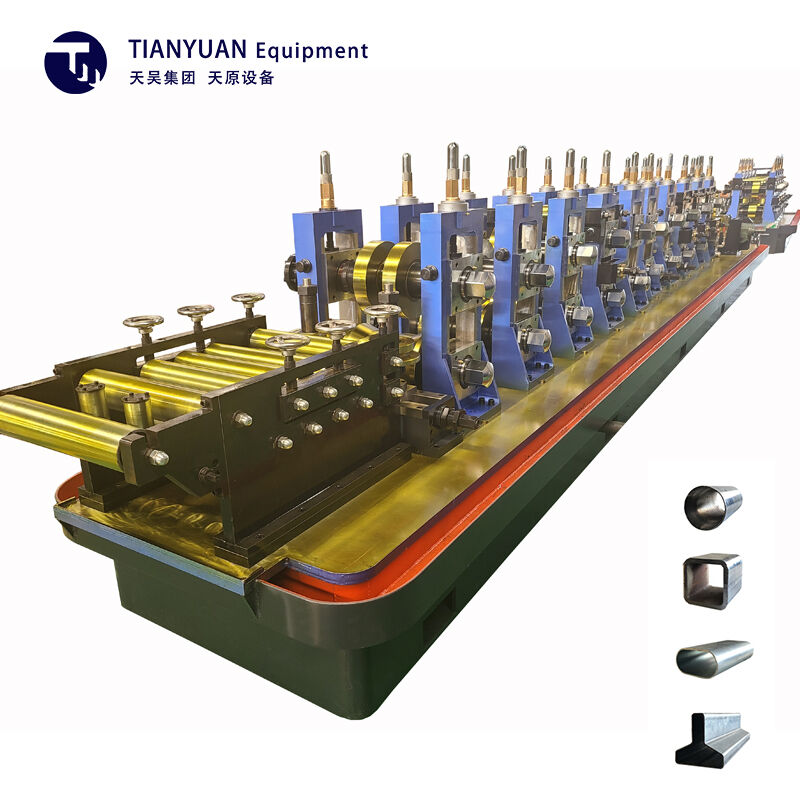
Әлемдегі өндірістік салалар өндіріс сапасын тұрақты ұстап тұру үшін берік және тиімді жабдыққа сүйенеді, ал көміртекті болаттан жасалған трубаларды жасайтын машиналар сенімділіктің үлгісі болып табылады. Бұл күрделі өндірістік жүйелер болат өңдеу операцияларының негізіне айналды, олар қатаң өндірістік жағдайларда өте жоғары төзімділікті сақтай отырып, дәл нәтижелер береді. Бұл машиналардың инженерлік жетістігі — технологиялық жетістіктердің ондаған жылдар бойына созылған дамуы мен өндірістік процестердің үздіксіз жетілдірілуінен туындайды.
Қазіргі заманғы труба өндіретін жабдықтардың сенімділігі тек қарапайым механикалық құрылыстан асады, сонымен қатар олар алдыңғы қатарлы басқару жүйелерін, дәлме-дәл инженерлік шешімдерді және материалдар ғылымындағы жаңалықтарды қамтиды. Бұл машиналардың қаншалықты сенімді болуын қамтамасыз ететін негізгі принциптерді түсіну өндірушілерге жабдыққа инвестициялар жасау мен өндірістік стратегияларды құру бойынша негізделген шешім қабылдауға көмектеседі. Көміртекті болаттан жасалған труба жасайтын машина үздіксіз жұмыс істеу сипаттамалары болат өңдеу операцияларында өндіріс тиімділігіне, өнім сапасына және жалпы рентабельділікке тікелей әсер етеді.
Көміртекті болаттан труба өндіруде инженерлік жетістік
Алдыңғы қатарлы материалдарды таңдау және құрылыс
Кез келген Көміртегі болатын труба жасайтын машинаға сенімділіктің негізі — жоғары сапалы материалдарды таңдау мен құрылыс әдістерін қолданудан басталады. Өндірушілер машина каркасы мен жұмыс істейтін элементтерді экстремалды қысым мен үздіксіз жұмыс циклдарына шыдамды ету үшін жоғары сортты қорытпалы болаттар мен дәлдікпен соғылған бөлшектерді қолданады. Бұл материалдар тұрақтылық пен өнімділік сапасы бойынша өнеркәсіптік стандарттарды орындау немесе асыру мақсатында қатаң сынақ процедураларынан өтеді.
Формалау роликтері, жетек жүйелері және конструкциялық рамалар сияқты маңызды компоненттердің өндірісінде дән құрылымын жақсартатын және мүмкін болатын ақауларды жоятын алдыңғы қатарлы металлургиялық процестер қолданылады. Тозуға төзімді қаптаулар мен беттік өңдеулердің қолданылуы компоненттердің қызмет ету мерзімін одан әрі ұзартады және ұзақ өндіріс циклдары бойынша өлшемдік дәлдікті сақтайды. Материалтану саласына деген осы назар аз ғана техникалық қызмет көрсету қажеттілігі мен жұмыс істеу уақытының артуына тікелей әсер етеді.
Өндіріс процесі кезінде сапа бақылау шаралары әрбір көміртекті болаттық труба жасайтын машина механикалық қасиеттері, өлшемдік дәлдіктері және беттік өңдеу талаптары бойынша қатаң техникалық талаптарға сай келетінін қамтамасыз етеді. Критикалық компоненттердің бүтіндігін растау үшін жинақтау алдында және соңғы сынақ процедураларында токтың өтпейтін сынау әдістерін қоспағандағы алғыңғы деңгейдегі тексеру әдістері қолданылады.
Дәлдік инженерлігі және өндірістік дәлдіктер
Қазіргі заманғы труба жасайтын жабдықтар барлық жұмыс істейтін компоненттер бойынша тар өндірістік дәлдіктерді сақтайтын дәлдік инженерлігінің тәжірибелері арқылы өте жоғары сенімділікті көрсетеді. CNC фрезерлеу орталары мен алғыңғы деңгейдегі өндірістік технологиялар микрон деңгейіндегі дәлдікпен компоненттерді шығаруға мүмкіндік береді, бұл машина жұмыс істеу өмірлік циклы бойынша дұрыс отыруы мен қызмет етуін қамтамасыз етеді. Бұл дәлдік трубаларды пішіретін роликтерге, бағыттаушы жүйелерге және өнім сапасына тікелей әсер ететін жетек механизмдеріне де таратылады.
Өндіріс кезінде алғы шекаралық өлшеу және реттеу жүйелерін енгізу әрбір көміртекті болаттық труба жасайтын машина үшін тұрақты жұмыс сипаттамаларын қамтамасыз етеді. Күрделі сапа бағалау протоколдары құрылғы өндіріс орнынан шығарылмас бұрын оның өлшемдік дәлдігін, беттік өңдеу сапасын және механикалық қасиеттерін растайды. Осы қатал стандарттар пайдаланушылардың күтетін ұзақ мерзімді сенімділік пен жұмыс сипаттамаларының тұрақтылығына қатты әсер етеді.
Жинақтау процедуралары нақты техникалық сипаттамаларға сәйкес жүргізіледі және компоненттердің дұрыс орналасуы мен кернеулердің бірқалыпты таралуын қамтамасыз ету үшін моментпен басқарылатын бекіту жүйелері қолданылады. Құрылысқа қойылатын осы әдістемелік тәсіл жұмыс істеу сенімділігін бұзуы мүмкін ерте әшекейлену немесе механикалық ақаулардың пайда болу ықтималдығын азайтады.
Заманауи басқару жүйелері мен автоматтандыру
Интегралды үдеріс басқару технологиясы
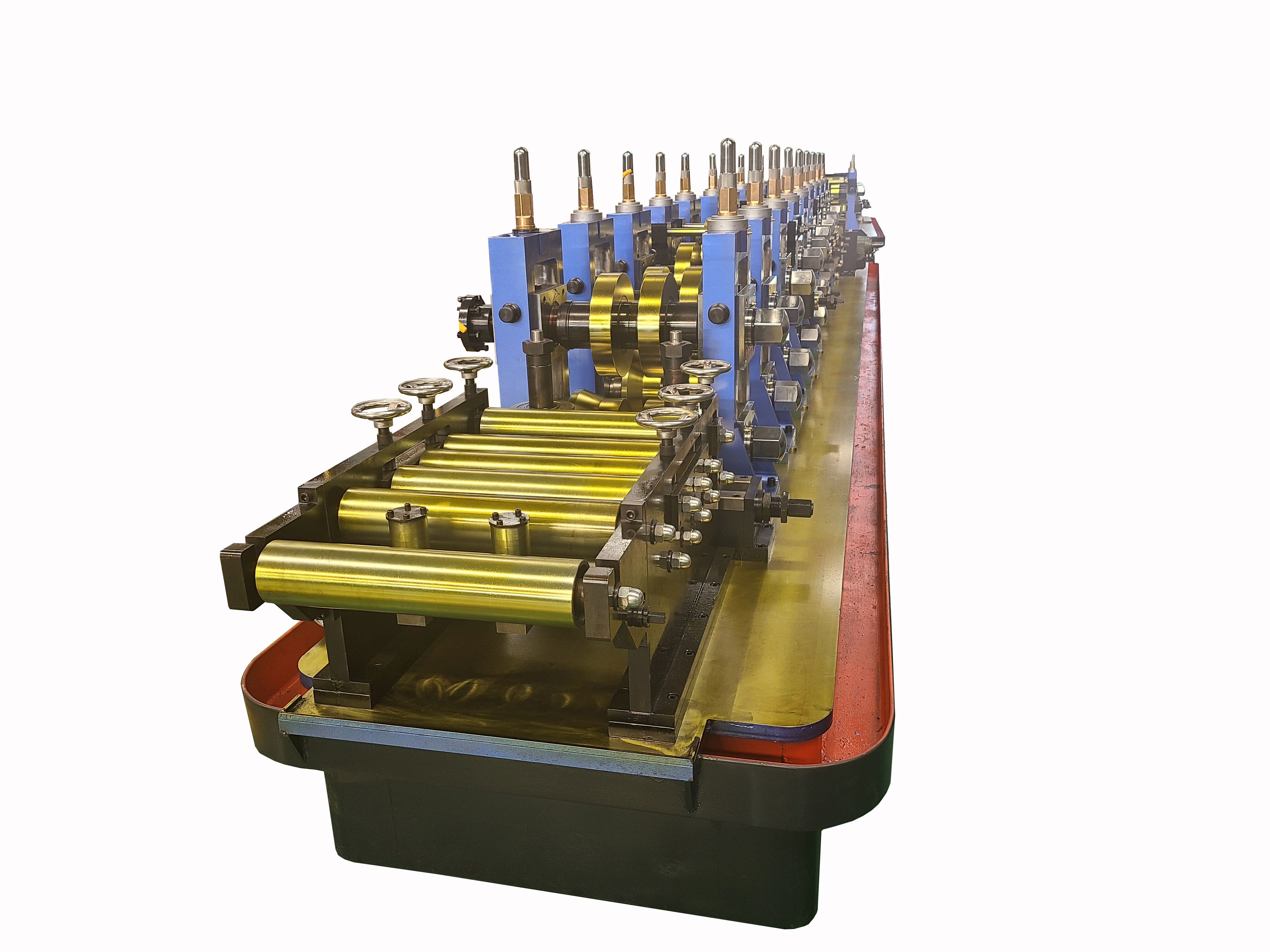
Қазіргі заманғы көміртегі болатын труба жасайтын машиналардың жобалары өндірістік параметрлерді нақты уақытта бақылап, реттейтін күрделі басқару жүйелерін қамтиды, бұл өнім сапасының тұрақтылығын қамтамасыз етеді және жабдықты мүмкін болатын зиянды жұмыс режимдерінен қорғайды. Бұл жүйелер оптималды пішіндеу қысымын, жылдамдықтарды және өлшемдік бақылауды өндіріс процесінің барлық кезеңінде сақтау үшін алғысқа лайық датчиктерді, кері байланыс циклдарын және автоматтандырылған реттеу механизмдерін қолданады.
Бағдарламаланатын логикалық басқарғыштар мен адам-машина интерфейстері операторларға толық бақылау мүмкіндіктерін және жабдық ақауларын алдын ала болдырмауға көмектесетін болжамды техникалық қызмет көрсету хабарламаларын ұсынады. Деректерді жазу мен талдау мүмкіндіктерінің интеграциялануы өндірушілерге тенденцияларды анықтауға және ең жоғары тиімділік пен сенімділік үшін операциялық параметрлерді оптималдауға мүмкіндік береді.
Қазіргі заманғы басқару архитектураларына интеграцияланған қауіпсіздік жүйелері жабдық пен персоналды қорғайтын қорғаныс шараларын іске асыру арқылы аномалды жұмыс жағдайларына автоматты түрде реакция береді. Авариялық тоқтату жүйелері, асыртылуға қарсы қорғаныс және автоматты тоқтату реті қолданыстағы көміртегі болатын труба жасау машинасының ұзақ мерзімді сенімділігін бұзуы мүмкін залалдарды болдырмауға көмектеседі.
Болжамды техникалық қызмет көрсету және бақылау жүйелері
Жетілдірілген бақылау жүйелері құрылғының жұмыс істеу сапасын арттыру мен қызмет көрсету мерзімін ұзарту үшін болжамды техникалық қызмет көрсету стратегияларын қолдануға мүмкіндік беретін негізгі жұмыс көрсеткіштері мен жабдықтың жағдайын бақылау параметрлерін үздіксіз бақылайды. Тербеліс талдауы, температураны бақылау және майлау жүйесін диагностикалау потенциалды ақауларды қымбатқа түсетін апаттарға айналдырмас бұрын ерте уақытта ескертеді.
Қазіргі заманғы көміртегілі болат құбыр жасау машиналарының конструкциясына енгізілген деректерді жинау және талдау мүмкіндіктері операторларға негізгі жұмыс сипаттамаларын орнатуға және дамып келе жатқан ақауларды көрсетуі мүмкін ауытқуларды анықтауға мүмкіндік береді. Бұл алдын-ала қамқорлықты қамтитын көзқарас күтпеген тоқтап қалуларды азайтады және маңызды компоненттердің жұмыс істеу мерзімін ұзартады.
Қашықтан бақылау мүмкіндіктері техникалық қолдау топтарына проблемаларды диагностикалауға және объектіге бармай-ақ көмек көрсетуге мүмкіндік береді, бұл жауап уақытын қысқартады және өндірістің тоқтатылуын азайтады. Бұл байланыс қызметтері қажет болған кезде техникалық мамандыққа тез қол жеткізуді қамтамасыз ету арқылы құбыр өндірісі операцияларының жалпы сенімділігін арттырады.
Жұмыс істеу тиімділігі және өндіріс үздіксіздігі
Оптимизацияланған өндіріс процестері
Бір Карбондық теңіз түбісі жасау машинасы тікелей ұзақ мерзімді жұмыс істеу кезеңдері бойынша тұрақты өндіріс параметрлерін сақтау қабілетімен байланысты. Жетілдірілген пішіндеу технологиялары мен дәлдікпен басқарылатын жүйелер әрбір трубаның диаметрі, қабырға қалыңдығы және түзусызықтылық шектері бойынша нақты талаптарға сай болуын қамтамасыз етеді. Бұл тұрақтылық қалдықтарды азайтады, қайта өңдеуге деген қажеттілікті минималдандырады және сенімді өнім сапасы арқылы тұтынушылардың қанағаттануын қамтамасыз етеді.
Автоматтандырылған ленталық бергіш жүйелері мен материалдарды өңдеу компоненттері қалыпты пішіндеу операцияларына материалдарды тұрақты түрде беруді қамтамасыз ете отырып, қолмен қатысу қажеттілігін азайтады. Бұл жүйелер соңғы өнімнің сапасына әсер етуі мүмкін немесе жабдыққа зиян келтіруі мүмкін төмен сапалы шикізаттарды анықтап, оларды жоюға бағытталған сапа бақылау шараларын қамтиды.
Процесс оптимизациясының мүмкіндіктері әртүрлі материал сипаттамаларына, ауа-райы жағдайларына және өндіріс талаптарына сәйкес операциялық параметрлерді үздіксіз реттейді, нәтижесінде ең жоғары өндірістік тиімділік қамтамасыз етіледі. Бұл адаптивті мүмкіндіктер әртүрлі өндіріс жағдайлары мен материалдық сипаттамалары кезінде сенімді жұмыс істеуді қамтамасыз етеді.
Сапаны басқару мен сынақтарды интеграциялау
Интеграцияланған сапа қамтамасыз ету жүйелері өндіріс процесі кезінде маңызды өнім параметрлерін бақылайды, олардан ауытқулар анықталған кезде дер кезінде түзетулер жасауға мүмкіндік береді. Жол бойындағы тексеру технологиялары өндіріс ағынын тоқтатпай-ақ өлшемдік дәлдікті, беттің сапасын және механикалық қасиеттерді тексереді, соның нәтижесінде әрбір труба белгіленген талаптарға сай келеді.
Қазіргі заманғы көміртегі болатын трубалар жасайтын машиналардың конструкциясына енгізілген бұзбайтын сынақ қабілеттері өндіріс тиімділігін қамтамасыз етпей-ақ толық сапа тексеруін қамтамасыз етеді. Ультрадыбыстық сынақ, айналмалы токпен тексеру және визуалды тексеру жүйелері трубалардың бүтіндігі мен беткі сипаттамаларын терең зерттеуге мүмкіндік береді.
Статистикалық үдеріс бақылауының мүмкіндіктері өндіріс бағыттарын бақылайды және сәйкессіз өнімдер пайда болғанға дейін потенциалды сапа мәселелерін анықтайды. Сапаны басқарудың бұл алдын-ала әрекет етуші тәсілі трубаларды өндіру жүйелерінің сенімді жұмыс істеуін қамтамасыз етеді, сонымен қатар шығындар мен қайта өңдеу шығындарын азайтады.
Техникалық қызмет көрсету және жөндеу мүмкіндіктері
Қолжетімділік және компоненттердің конструкциясы
Қазіргі заманғы көміртегі болатын труба жасайтын машиналардың құрылысында ойластырылған дизайн шешімдері реттік техникалық қызмет көрсету кезіндегі тоқтату уақытын азайту үшін техникалық қызмет көрсетуге қол жетімділікті және компоненттердің қызмет көрсетілуін басымдыққа алады. Тексеру нүктелерін, қызмет көрсету үшін қол жетімді панельдерді және компоненттерді орнату жүйелерін стратегиялық орналастыру арқылы техникалық қызмет көрсету персоналы қажетті жұмыстарды тиімді және қауіпсіз орындай алады.
Модульді компоненттердің дизайны тозуға ұшырайтын бөлшектерді жедел ауыстыруды жеңілдетеді және алдын-ала техникалық қызмет көрсету процедураларын өндірістің аз ғана тоқтатылуымен аяқтауға мүмкіндік береді. Жедел ажыратылатын қоспалар, стандартталған бекітпе бұрандалары және анық компоненттердің белгіленуі жалпы жүйенің сенімділігіне үлес қосатын тиімді техникалық қызмет көрсету практикасын қолдайды.
Толық көлемді жөндеу құжаттамасы мен техникалық қолдау ресурстары операторларға тиімді проблемаларды шешу мен алдын-ала сақтық жөндеулерді жүзеге асыруға мүмкіндік беретін егжей-тегжейлі жұмыс істеу тәртібі мен ақауларды анықтау бойынша нұсқаулықтар ұсынады. Бұл ресурстарға егжей-тегжейлі бөлшектердің сызбалары, жөндеу кестелері және ұсынылатын ауыстырмалы бөлшектердің қоры кіреді.
Майлау және суыту жүйелері
Жетілдірілген майлау жүйелері өндіріс циклы бойына компоненттердің ұзақ қызмет етуін қамтамасыз етіп, барлық жұмыс режимдерінде маңызды қозғалыстағы бөлшектерге дұрыс майлау қамтамасыз етеді. Автоматтандырылған бақылау мен майлау қабілеті бар орталықтандырылған майлау жүйелері майлауға байланысты ақаулардың пайда болуын болдырмауды қамтамасыз етеді және жөндеу жұмыстарына кететін еңбек шығындарын азайтады.
Жоғары жылдамдықта жұмыс істеген кезде сезімтал компоненттерді артық қызу болуынан қорғайтын жетілдірілген салқындату жүйелері өлшемдік тұрақтылықты сақтайды және ұзақ мерзімді сенімділіктің бұзылуына әкелуі мүмкін жылулық зақымдануды болдырмауға көмектеседі. Температураны бақылау және реттеу жүйелері жұмыс жағдайлары мен ауа температурасының өзгерістеріне қарай салқындату қуатын автоматты түрде реттейді.
Сүзгілеу және ластануға қарсы жүйелер көміртекті болаттан жасалған трубаларды жасау машинасының жұмысы кезінде абразивті бөлшектер мен химиялық ластанудан маңызды компоненттерді қорғай отырып, ұзақ уақытқа созылатын сервис аралығында майлағыш пен салқындатқыш сапасын сақтайды.
ЖИҚ (Жиі қойылатын сұрақтар)
Көміртекті болаттан жасалған трубаларды жасау машинасының сенімділігіне ең маңызды әсер ететін факторлар қандай?
Сенімділікке негізгі әсер ететін факторларға маңызды компоненттерде жоғары сапалы материалдарды таңдау, дәл шығару допусы, болжамды техникалық қызмет көрсету мүмкіндіктері бар алғашқы бақылау жүйелері мен толық майлау жүйелері жатады. Сонымен қатар, қол жетімділік пен жөндеуге ыңғайлылық үшін ойластырылған дизайн әрекеттік сенімділікті ұзақ мерзімге қамтамасыз ету үшін тиімді техникалық қызмет көрсету тәжірибелері арқылы маңызды рөл атқарады.
Қазіргі заманғы бақылау жүйелері труба өндірісінің жабдықтарының сенімділігін қалай арттырады?
Қазіргі заманғы бақылау жүйелері операциялық параметрлерді нақты уақытта бақылау арқылы, технологиялық процестің айнымалыларын автоматты түрде реттеу арқылы және жабдықтың істен шығуын болдырмауға бағытталған болжамды техникалық қызмет көрсету хабарландырулары арқылы сенімділікті арттырады. Осы жүйелер жабдықты зиянды жұмыс жағдайларынан қорғайтын қауіпсіздік протоколдарын іске асырады және проблемаларды тез анықтау мен шешу мүмкіндігін беретін диагностикалық қабілеттерді қамтамасыз етеді.
Сенімділікті ұзақ мерзімге қамтамасыз ету үшін қандай жөндеу тәжірибелері ең маңызды?
Негізгі жөндеу тәжірибелеріне өндірушінің ұсынған техникалық қызмет кестесін қатаң сақтау, барлық қозғалыстағы бөлшектердің дұрыс майлануын қамтамасыз ету, тозуға ұшыраған бөлшектерді реде қарау және олардың тозу белгілері пайда болған кезде уақтылы ауыстыру кіреді. Сонымен қатар, таза жұмыс ортасын сақтау мен сақтауға арналған қосымша бөлшектерді дұрыс сақтау да ұзақ мерзімді сенімділікті қамтамасыз етуде маңызды роль атқарады.
Бөлшектердің сапасы машина жалпы өнімділігі мен сенімділігіне қалай әсер етеді?
Бөлшектердің сапасы машина жұмыс істеу өмірі бойында орындалуы мен қызметіне әсер ететін өлшемдік дәлдік, материалдардың қасиеттері және өндірістік шектеулер арқылы өнімділікке тікелей әсер етеді. Жоғары сапалы бөлшектер жөндеу қажеттілігін азайтады, қызмет көрсету аралықтарын ұзартады және көптеген жылдар бойы сенімді өндірістік операцияларды қолдайтын тұрақты өнімділік сипаттамаларын сақтайды.
Мазмұны
- Көміртекті болаттан труба өндіруде инженерлік жетістік
- Заманауи басқару жүйелері мен автоматтандыру
- Жұмыс істеу тиімділігі және өндіріс үздіксіздігі
- Техникалық қызмет көрсету және жөндеу мүмкіндіктері
-
ЖИҚ (Жиі қойылатын сұрақтар)
- Көміртекті болаттан жасалған трубаларды жасау машинасының сенімділігіне ең маңызды әсер ететін факторлар қандай?
- Қазіргі заманғы бақылау жүйелері труба өндірісінің жабдықтарының сенімділігін қалай арттырады?
- Сенімділікті ұзақ мерзімге қамтамасыз ету үшін қандай жөндеу тәжірибелері ең маңызды?
- Бөлшектердің сапасы машина жалпы өнімділігі мен сенімділігіне қалай әсер етеді?