 EN
EN
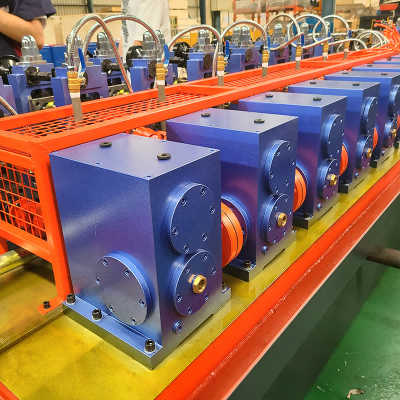
ຄວາມຕ້ອງການທີ່ເພີ່ມຂຶ້ນຂອງອຸດສາຫະກໍາລົດຍົນສໍາລັບອົງປະກອບວິສະວະກໍາທີ່ມີຄວາມແມ່ນຍໍາສູງໄດ້ຫັນປ່ຽນຂະບວນການຜະລິດຢ່າງຫຼວງຫຼາຍ, ໂດຍສະເພາະໃນລະບົບການຜະລິດທໍ່. ຜູ້ຜະລິດລົດຍົນທີ່ທັນສະໄໝຕ້ອງການອຸປະກອນພິເສດທີ່ມີຄຸນນະພາບທີ່ສອດຄ່ອງ, ປະສິດທິພາບທີ່ເພີ່ມຂຶ້ນ, ແລະປະສິດທິພາບທີ່ໜ້າເຊື່ອຖືໃນສະພາບແວດລ້ອມການຜະລິດທີ່ຫຼາກຫຼາຍ. ເຄື່ອງຈັກຜະລິດທໍ່ເຫຼັກກາກບອນເປັນຕົວແທນຂອງພື້ນຖານຂອງການຜະລິດທໍ່ລົດຍົນໃນປະຈຸບັນ, ສະເໜີຄວາມສາມາດຂັ້ນສູງທີ່ຕອບສະໜອງມາດຕະຖານອຸດສາຫະກໍາທີ່ເຂັ້ມງວດໃນຂະນະທີ່ຮັກສາປະສິດທິພາບດ້ານຄ່າໃຊ້ຈ່າຍແລະຄວາມຍືດຫຍຸ່ນໃນການດໍາເນີນງານ.
ການເຂົ້າໃຈລັກສະນະທີ່ສຳຄັນຂອງອຸປະກອນຜະລິດທໍ່ທີ່ກ້າວໜ້າຊ່ວຍໃຫ້ຜູ້ຜະລິດສາມາດຕັດສິນໃຈໄດ້ຢ່າງມີຂໍ້ມູນເຊິ່ງສົ່ງຜົນກະທົບໂດຍກົງຕໍ່ປະສິດທິພາບການຜະລິດ ແລະ ຄຸນນະພາບຂອງຜະລິດຕະພັນ. ລະບົບທີ່ຊັບຊ້ອນເຫຼົ່ານີ້ປະສົມປະສານເຕັກໂນໂລຊີທີ່ທັນສະໄໝກັບຫຼັກການວິສະວະກຳທີ່ພິສູດແລ້ວເພື່ອໃຫ້ຜົນໄດ້ຮັບທີ່ດີເລີດໃນການນຳໃຊ້ລົດຍົນ. ວິວັດທະນາການຂອງເຕັກໂນໂລຊີການຜະລິດທໍ່ໄດ້ນຳສະເໜີນະວັດຕະກຳຫຼາຍຢ່າງທີ່ແກ້ໄຂບັນຫາການຜະລິດແບບດັ້ງເດີມ ໃນຂະນະທີ່ເປີດຄວາມເປັນໄປໄດ້ໃໝ່ສຳລັບການປັບແຕ່ງ ແລະ ການຄວບຄຸມຄວາມແມ່ນຍຳ.
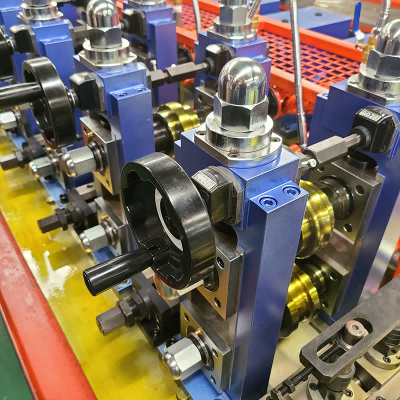
ລະບົບອັດຕະໂນມັດແລະຄວບຄຸມທີ່ກ້າວ ຫນ້າ
ການຕິດຕາມກວດກາຂະບວນການປະສົມປະສານ
ລະບົບເຄື່ອງຈັກຜະລິດທໍ່ເຫຼັກກາກບອນທີ່ທັນສະໄໝປະກອບມີຄວາມສາມາດໃນການຕິດຕາມກວດກາທີ່ຊັບຊ້ອນເຊິ່ງຕິດຕາມທຸກດ້ານຂອງຂະບວນການຜະລິດໃນເວລາຈິງ. ລະບົບຕິດຕາມກວດກາທີ່ກ້າວໜ້າເຫຼົ່ານີ້ໃຊ້ເຊັນເຊີຫຼາຍອັນທີ່ຕັ້ງຢູ່ທົ່ວສາຍການຜະລິດເພື່ອເກັບກຳຂໍ້ມູນກ່ຽວກັບການປ່ຽນແປງຂອງອຸນຫະພູມ, ອັດຕາການໄຫຼຂອງວັດສະດຸ, ພາລາມິເຕີການເຊື່ອມໂລຫະ, ແລະຄວາມຖືກຕ້ອງຂອງມິຕິ. ການເຊື່ອມໂຍງຂອງອັລກໍຣິທຶມປັນຍາປະດິດຊ່ວຍໃຫ້ສາມາດກຳນົດເວລາການບຳລຸງຮັກສາທີ່ຄາດເດົາໄດ້, ຫຼຸດຜ່ອນເວລາທີ່ຢຸດເຮັດວຽກທີ່ບໍ່ຄາດຄິດໃນຂະນະທີ່ເພີ່ມປະສິດທິພາບຂອງອຸປະກອນໂດຍລວມ.
ຂອບການເກັບກຳຂໍ້ມູນທີ່ສົມບູນແບບຊ່ວຍໃຫ້ຜູ້ປະຕິບັດງານສາມາດລະບຸບັນຫາທີ່ອາດເກີດຂຶ້ນກ່ອນທີ່ມັນຈະສົ່ງຜົນກະທົບຕໍ່ຄຸນນະພາບ ຫຼື ປະສິດທິພາບການຜະລິດ. ແຜງຄວບຄຸມຂັ້ນສູງໃຫ້ການເບິ່ງເຫັນໄດ້ງ່າຍຂອງຕົວຊີ້ວັດປະສິດທິພາບທີ່ສຳຄັນ, ເຮັດໃຫ້ການຕັດສິນໃຈ ແລະ ການປັບຕົວຂອງຂະບວນການວ່ອງໄວ. ລະດັບການເບິ່ງເຫັນຂອງຂະບວນການນີ້ຮັບປະກັນຄຸນນະພາບຜະລິດຕະພັນທີ່ສອດຄ່ອງໃນຂະນະທີ່ຫຼຸດຜ່ອນສິ່ງເສດເຫຼືອ ແລະ ເພີ່ມປະສິດທິພາບການນຳໃຊ້ຊັບພະຍາກອນຕະຫຼອດວົງຈອນການຜະລິດ.
ໂປຣແກຣມຄວບຄຸມເຊິ່ງສາມາດຂຽນໂປຣແກຣມໄດ້
ຕົວຄວບຄຸມຕາມເຫດຜົນທີ່ສາມາດຕັ້ງໂປຣແກຣມໄດ້ທີ່ທັນສະໄໝປະກອບເປັນລະບົບປະສາດສ່ວນກາງຂອງອຸປະກອນຜະລິດທໍ່ທີ່ທັນສະໄໝ, ຈັດການລຳດັບການດຳເນີນງານທີ່ສັບສົນດ້ວຍເວລາ ແລະ ການປະສານງານທີ່ຊັດເຈນ. ລະບົບຄວບຄຸມທີ່ຊັບຊ້ອນເຫຼົ່ານີ້ຈັດການພາລາມິເຕີການຜະລິດຫຼາຍຢ່າງພ້ອມໆກັນ, ຮັບປະກັນປະສິດທິພາບທີ່ດີທີ່ສຸດໃນທຸກຂັ້ນຕອນການຜະລິດ. ການເຊື່ອມໂຍງຂອງການໂຕ້ຕອບລະຫວ່າງມະນຸດກັບເຄື່ອງຈັກເຮັດໃຫ້ການພົວພັນຂອງຜູ້ປະຕິບັດງານງ່າຍຂຶ້ນ ໃນຂະນະທີ່ໃຫ້ການເຂົ້າເຖິງໜ້າທີ່ຂອງລະບົບ ແລະ ຂໍ້ມູນການວິນິດໄສທີ່ຄົບຖ້ວນ.
ຄວາມສາມາດໃນການຂຽນໂປຣແກຣມຂັ້ນສູງຊ່ວຍໃຫ້ຜູ້ຜະລິດສາມາດເກັບຮັກສາສູດການຜະລິດຫຼາຍຢ່າງ, ຊ່ວຍໃຫ້ສາມາດປ່ຽນແປງໄດ້ໄວລະຫວ່າງຂໍ້ມູນສະເພາະຂອງທໍ່ທີ່ແຕກຕ່າງກັນໂດຍບໍ່ຕ້ອງມີການປັບດ້ວຍຕົນເອງຢ່າງກວ້າງຂວາງ. ຄວາມຍືດຫຍຸ່ນນີ້ພິສູດໃຫ້ເຫັນເຖິງຄຸນຄ່າໂດຍສະເພາະໃນການນຳໃຊ້ລົດຍົນບ່ອນທີ່ຕ້ອງການຂະໜາດ ແລະ ຂໍ້ມູນສະເພາະຂອງທໍ່ທີ່ຫຼາກຫຼາຍສຳລັບຮຸ່ນ ແລະ ອົງປະກອບຂອງຍານພາຫະນະທີ່ແຕກຕ່າງກັນ. ລັກສະນະທີ່ສາມາດຂຽນໂປຣແກຣມໄດ້ຂອງລະບົບເຫຼົ່ານີ້ຊ່ວຍໃຫ້ການປັບປຸງຢ່າງຕໍ່ເນື່ອງ ແລະ ຄວາມພະຍາຍາມໃນການເພີ່ມປະສິດທິພາບຂອງຂະບວນການ.
ເຕັກໂນໂລຊີການເຊື່ອມໂລຫະທີ່ມີຄວາມຖີ່ສູງ
ພາລາມິເຕີການເຊື່ອມໂລຫະທີ່ມີຄວາມແມ່ນຍໍາສູງ
ລະບົບການເຊື່ອມໂລຫະຄວາມຖີ່ສູງທີ່ທັນສະໄໝປະສົມປະສານເຂົ້າໃນການຕັ້ງຄ່າເຄື່ອງຈັກຜະລິດທໍ່ເຫຼັກກາກບອນໃຫ້ຄຸນນະພາບການເຊື່ອມທີ່ດີເລີດຜ່ານການຄວບຄຸມພາລາມິເຕີທີ່ຊັດເຈນ ແລະ ກົນໄກການຕອບສະໜອງຂັ້ນສູງ. ລະບົບເຫຼົ່ານີ້ນຳໃຊ້ອັລກໍຣິທຶມການຄວບຄຸມພະລັງງານທີ່ຊັບຊ້ອນເຊິ່ງປັບພາລາມິເຕີການເຊື່ອມໂດຍອັດຕະໂນມັດໂດຍອີງໃສ່ຄຸນສົມບັດຂອງວັດສະດຸ, ຂະໜາດທໍ່ ແລະ ຄວາມຕ້ອງການຄວາມໄວໃນການຜະລິດ. ຜົນໄດ້ຮັບແມ່ນການເຊື່ອມທີ່ມີຄຸນນະພາບສູງຢ່າງຕໍ່ເນື່ອງທີ່ຕອບສະໜອງ ຫຼື ເກີນມາດຕະຖານອຸດສາຫະກຳລົດຍົນສຳລັບຄວາມແຂງແຮງ ແລະ ຄວາມທົນທານ.
ຄວາມສາມາດໃນການເຊື່ອມໂລຫະທີ່ມີຄວາມແມ່ນຍໍາສູງຮັບປະກັນການແຈກຢາຍຄວາມຮ້ອນທີ່ດີທີ່ສຸດ, ຫຼຸດຜ່ອນເຂດທີ່ໄດ້ຮັບຜົນກະທົບຈາກຄວາມຮ້ອນ ໃນຂະນະທີ່ເພີ່ມການເຈາະຮອຍເຊື່ອມ ແລະ ຄຸນນະພາບຂອງການເຊື່ອມໂລຫະໃຫ້ສູງສຸດ. ລະບົບຕິດຕາມກວດກາອຸນຫະພູມທີ່ທັນສະໄໝຈະຕິດຕາມອຸນຫະພູມຂອງການເຊື່ອມໂລຫະຢ່າງຕໍ່ເນື່ອງ, ໂດຍໃຫ້ຄໍາຕິຊົມທັນທີສໍາລັບການປັບຕົວກໍານົດການເມື່ອຈໍາເປັນ. ລະດັບການຄວບຄຸມນີ້ປ້ອງກັນຂໍ້ບົກຜ່ອງທົ່ວໄປຂອງການເຊື່ອມໂລຫະເຊັ່ນ: ການລວມຕົວທີ່ບໍ່ສົມບູນ, ການເຈາະຫຼາຍເກີນໄປ, ຫຼື ການບິດເບືອນຄວາມຮ້ອນທີ່ອາດຈະສົ່ງຜົນກະທົບຕໍ່ຄວາມສົມບູນຂອງທໍ່.
ການຄວບຄຸມການເຊື່ອມໂລຫະແບບປັບຕົວໄດ້
ລະບົບຄວບຄຸມການເຊື່ອມໂລຫະແບບປັບຕົວໄດ້ສະແດງເຖິງຄວາມກ້າວໜ້າທີ່ສຳຄັນໃນເຕັກໂນໂລຊີການຜະລິດທໍ່, ໂດຍປັບຕົວກຳນົດການເຊື່ອມໂລຫະໂດຍອັດຕະໂນມັດເພື່ອຕອບສະໜອງຕໍ່ການປ່ຽນແປງຂອງສະພາບວັດສະດຸ ຫຼື ຕົວແປການຜະລິດ. ລະບົບອັດສະລິຍະເຫຼົ່ານີ້ນຳໃຊ້ອັລກໍຣິທຶມການຮຽນຮູ້ຂອງເຄື່ອງຈັກເພື່ອເພີ່ມປະສິດທິພາບການເຊື່ອມໂລຫະໂດຍອີງໃສ່ຂໍ້ມູນປະຫວັດສາດ ແລະ ການຕອບສະໜອງແບບເວລາຈິງຈາກເຊັນເຊີຫຼາຍຕົວ. ລັກສະນະການປັບຕົວໄດ້ຂອງການຄວບຄຸມເຫຼົ່ານີ້ຮັບປະກັນຄຸນນະພາບການເຊື່ອມໂລຫະທີ່ສອດຄ່ອງໂດຍບໍ່ຄຳນຶງເຖິງການປ່ຽນແປງຂອງວັດສະດຸ ຫຼື ສະພາບແວດລ້ອມ.
ການຈັດຕັ້ງປະຕິບັດເຕັກໂນໂລຊີການຄວບຄຸມແບບປັບຕົວໄດ້ຊ່ວຍຫຼຸດຜ່ອນຄວາມຕ້ອງການໃນການແຊກແຊງຂອງຜູ້ປະຕິບັດງານດ້ວຍມືຢ່າງຫຼວງຫຼາຍ ໃນຂະນະທີ່ປັບປຸງຄວາມສອດຄ່ອງຂອງການຜະລິດໂດຍລວມ. ລະບົບເຫຼົ່ານີ້ສາມາດຊົດເຊີຍການປ່ຽນແປງຂອງຄຸນສົມບັດຂອງວັດສະດຸ, ການປ່ຽນແປງຂອງອຸນຫະພູມ ແລະ ປັດໄຈອື່ນໆທີ່ຕ້ອງການຄວາມສົນໃຈຂອງຜູ້ປະຕິບັດງານຢ່າງຕໍ່ເນື່ອງຕາມປະເພນີ. ຜົນໄດ້ຮັບແມ່ນການປັບປຸງປະສິດທິພາບການຜະລິດ ແລະ ຄວາມສອດຄ່ອງຂອງຄຸນນະພາບຜະລິດຕະພັນທີ່ເພີ່ມຂຶ້ນໃນໄລຍະການຜະລິດທີ່ຍາວນານ.
ຄວາມສາມາດໃນການຈັດການ ແລະ ການປຸງແຕ່ງວັດສະດຸ
ລະບົບການປ້ອນວັດສະດຸອັດຕະໂນມັດ
ລະບົບການປ້ອນວັດສະດຸທີ່ກ້າວໜ້າໃນການຕັ້ງຄ່າເຄື່ອງຈັກຜະລິດທໍ່ເຫຼັກກາກບອນທີ່ທັນສະໄໝຮັບປະກັນການສົ່ງວັດສະດຸທີ່ສອດຄ່ອງໃນຂະນະທີ່ຫຼຸດຜ່ອນຄວາມຕ້ອງການໃນການຈັດການ ແລະ ຄວາມສ່ຽງຕໍ່ການປົນເປື້ອນທີ່ອາດເກີດຂຶ້ນ. ລະບົບອັດຕະໂນມັດເຫຼົ່ານີ້ປະກອບມີກົນໄກການວາງຕຳແໜ່ງທີ່ມີຄວາມແມ່ນຍຳສູງທີ່ຮັກສາການຈັດລຽງແຖບທີ່ດີທີ່ສຸດຕະຫຼອດຂະບວນການຂຶ້ນຮູບ, ປ້ອງກັນບັນຫາທົ່ວໄປເຊັ່ນ: ການບໍ່ສອດຄ່ອງຂອງຂອບ ຫຼື ການປ່ຽນແປງຂອງມິຕິ. ການປະສົມປະສານຂອງມ້ວນປ້ອນທີ່ຂັບເຄື່ອນດ້ວຍ servo ໃຫ້ການຄວບຄຸມຄວາມໄວທີ່ຊັດເຈນ ແລະ ການຄຸ້ມຄອງຄວາມຕຶງຄຽດສຳລັບເງື່ອນໄຂການຂຶ້ນຮູບທີ່ດີທີ່ສຸດ.
ລະບົບການຈັດການວັດສະດຸທີ່ຊັບຊ້ອນຍັງປະກອບມີຄວາມສາມາດໃນການກວດຈັບ ແລະ ການຈັດການການຕໍ່ເຊື່ອມອັດຕະໂນມັດ, ຮັບປະກັນຄວາມຕໍ່ເນື່ອງຂອງການຜະລິດທີ່ລຽບງ່າຍເມື່ອມີການປ່ຽນແປງຂົດລວດວັດສະດຸ. ລະບົບຕິດຕາມກວດກາການຕໍ່ເຊື່ອມຂັ້ນສູງສາມາດກວດຈັບການຕໍ່ເຊື່ອມວັດສະດຸ ແລະ ປັບຕົວກໍານົດການປະມວນຜົນໂດຍອັດຕະໂນມັດເພື່ອຮັກສາຄຸນນະພາບຜະລິດຕະພັນທີ່ສອດຄ່ອງກັນໃນທົ່ວສະຖານທີ່ຕໍ່ເຊື່ອມ. ຄວາມສາມາດນີ້ພິສູດໃຫ້ເຫັນວ່າມີຄຸນຄ່າໂດຍສະເພາະໃນສະພາບແວດລ້ອມການຜະລິດທີ່ມີປະລິມານສູງບ່ອນທີ່ມີການປ່ຽນແປງວັດສະດຸເລື້ອຍໆ.
ການກະກຽມ ແລະ ການປັບສະພາບຂອບ
ລະບົບການກະກຽມຂອບທີ່ສົມບູນແບບທີ່ປະສົມປະສານເຂົ້າໃນອຸປະກອນການຜະລິດທໍ່ທີ່ທັນສະໄໝຮັບປະກັນສະພາບການເຊື່ອມທີ່ດີທີ່ສຸດຜ່ານການຕັດຂອບ ແລະ ການປັບປຸງສະພາບຂອບທີ່ຊັດເຈນ. ລະບົບເຫຼົ່ານີ້ນຳໃຊ້ເຕັກໂນໂລຊີການຕັດທີ່ກ້າວໜ້າເພື່ອໃຫ້ໄດ້ຂອບທີ່ສະອາດ ແລະ ຊື່ສະເໝີ ເຊິ່ງອຳນວຍຄວາມສະດວກໃຫ້ແກ່ການເຊື່ອມທີ່ມີຄຸນນະພາບສູງ. ການກະກຽມຂອບທີ່ມີຄວາມແມ່ນຍຳຊ່ວຍຫຼຸດຜ່ອນຄວາມສ່ຽງຂອງຂໍ້ບົກຜ່ອງຂອງການເຊື່ອມ ໃນຂະນະທີ່ເພີ່ມປະສິດທິພາບການນຳໃຊ້ວັດສະດຸ ແລະ ຫຼຸດຜ່ອນສິ່ງເສດເຫຼືອ.
ຄວາມສາມາດໃນການປັບສະພາບຂອບຂັ້ນສູງປະກອບມີການກຳຈັດຂີ້ເຫຼັກ, ການທຳຄວາມສະອາດໜ້າດິນ, ແລະ ການເພີ່ມປະສິດທິພາບຮູບຮ່າງຂອງຂອບເພື່ອຮັບປະກັນການກະກຽມຮອຍຕໍ່ທີ່ດີທີ່ສຸດ. ຂະບວນການເຫຼົ່ານີ້ຖືກຄວບຄຸມ ແລະ ຕິດຕາມກວດກາໂດຍອັດຕະໂນມັດເພື່ອຮັກສາຄຸນນະພາບຂອງຂອບທີ່ສອດຄ່ອງໂດຍບໍ່ຄຳນຶງເຖິງການປ່ຽນແປງຂອງວັດສະດຸ ຫຼື ຄວາມໄວໃນການຜະລິດ. ຜົນໄດ້ຮັບແມ່ນການປັບປຸງຄຸນນະພາບການເຊື່ອມ ແລະ ຫຼຸດຜ່ອນຄວາມຕ້ອງການການສຳເລັດຮູບຫຼັງການເຊື່ອມ.
ຄຸນສົມບັດການຄວບຄຸມ ແລະ ການກວດກາຄຸນນະພາບ
ການວັດແທກມິຕິໃນເສັ້ນ
ລະບົບການວັດແທກແບບອິນໄລນ໌ທີ່ຊັບຊ້ອນທີ່ປະສົມປະສານເຂົ້າໃນການຕິດຕັ້ງເຄື່ອງຈັກຜະລິດທໍ່ເຫຼັກກ້າຄາບອນໃຫ້ການຕິດຕາມກວດກາຂະໜາດທໍ່ທີ່ສຳຄັນຢ່າງຕໍ່ເນື່ອງຕະຫຼອດຂະບວນການຜະລິດ. ລະບົບການວັດແທກທີ່ກ້າວໜ້າເຫຼົ່ານີ້ນຳໃຊ້ເທັກໂນໂລຢີທີ່ອີງໃສ່ເລເຊີ, ເຊັນເຊີອັລຕຣາຊາວ ແລະ ເຕັກນິກການວັດແທກທາງແສງເພື່ອຮັບປະກັນຄວາມຖືກຕ້ອງຂອງມິຕິພາຍໃນຄວາມທົນທານທີ່ເຄັ່ງຄັດທີ່ຕ້ອງການສຳລັບການນຳໃຊ້ໃນລົດຍົນ. ຄວາມສາມາດໃນການວັດແທກແບບເວລາຈິງຊ່ວຍໃຫ້ສາມາດແກ້ໄຂຂະບວນການໄດ້ທັນທີເມື່ອກວດພົບການປ່ຽນແປງຂອງມິຕິ.
ຂອບການວັດແທກທີ່ສົມບູນແບບປະກອບມີການຕິດຕາມເສັ້ນຜ່າສູນກາງ, ການກວດສອບຄວາມໜາຂອງຝາຜະໜັງ, ແລະ ການປະເມີນຄວາມຊື່ເພື່ອຮັບປະກັນຄວາມສອດຄ່ອງຂອງມິຕິທີ່ສົມບູນ. ຄວາມສາມາດໃນການບັນທຶກຂໍ້ມູນຂັ້ນສູງຮັກສາບັນທຶກການຜະລິດລະອຽດທີ່ອຳນວຍຄວາມສະດວກໃນການຕິດຕາມຄຸນນະພາບ ແລະ ການລິເລີ່ມປັບປຸງຢ່າງຕໍ່ເນື່ອງ. ລະດັບການຄວບຄຸມຄຸນນະພາບນີ້ຮັບປະກັນວ່າທໍ່ທຸກທໍ່ຕອບສະໜອງຄວາມຕ້ອງການທີ່ລະບຸໄວ້ກ່ອນທີ່ຈະດຳເນີນການໄປສູ່ຂັ້ນຕອນການຜະລິດຕໍ່ໄປ.
ການເຊື່ອມໂຍງການທົດສອບທີ່ບໍ່ທຳລາຍ
ລະບົບການຜະລິດທໍ່ທີ່ທັນສະໄໝປະກອບມີຄວາມສາມາດໃນການທົດສອບທີ່ບໍ່ທຳລາຍຂັ້ນສູງເຊິ່ງກວດສອບຄວາມສົມບູນຂອງຮອຍເຊື່ອມໂດຍບໍ່ມີການຫຼຸດຜ່ອນຄຸນນະພາບຜະລິດຕະພັນ ຫຼື ປະສິດທິພາບການຜະລິດ. ລະບົບການທົດສອບທີ່ຊັບຊ້ອນເຫຼົ່ານີ້ນຳໃຊ້ການກວດກາດ້ວຍຄື້ນສຽງຄວາມຖີ່ສູງ, ການທົດສອບກະແສໄຟຟ້າໝູນວຽນ, ແລະ ເຕັກນິກອື່ນໆທີ່ພິສູດແລ້ວເພື່ອກວດຫາຂໍ້ບົກຜ່ອງຂອງຮອຍເຊື່ອມທີ່ອາດເກີດຂຶ້ນ ຫຼື ຄວາມບໍ່ສອດຄ່ອງຂອງວັດສະດຸ. ການເຊື່ອມໂຍງຂັ້ນຕອນການທົດສອບອັດຕະໂນມັດຮັບປະກັນການກວດສອບຄຸນນະພາບທີ່ສົມບູນແບບໃນຂະນະທີ່ຮັກສາຄວາມຕ້ອງການຜົນຜະລິດໃນການຜະລິດ.
ຂັ້ນຕອນວິທີການທົດສອບຂັ້ນສູງຈະວິເຄາະຜົນການກວດກາໂດຍອັດຕະໂນມັດ ແລະ ໃຫ້ຄຳຕິຊົມທັນທີກ່ຽວກັບສະຖານະພາບຄຸນນະພາບຂອງຜະລິດຕະພັນ. ລະບົບການປະຕິເສດອັດຕະໂນມັດຈະກຳຈັດຜະລິດຕະພັນໃດໆທີ່ບໍ່ຕອບສະໜອງມາດຕະຖານຄຸນນະພາບ, ປ້ອງກັນບໍ່ໃຫ້ສິນຄ້າທີ່ມີຂໍ້ບົກພ່ອງໄປຮອດຂັ້ນຕອນການຜະລິດຕໍ່ໄປ. ວິທີການທົດສອບທີ່ສົມບູນແບບຮັບປະກັນຄຸນນະພາບຜະລິດຕະພັນທີ່ສອດຄ່ອງໃນຂະນະທີ່ຮັກສາບັນທຶກຄຸນນະພາບລະອຽດເພື່ອຈຸດປະສົງການຕິດຕາມ.
ຄວາມຍືດຫຍຸ່ນໃນການຜະລິດ ແລະ ຕົວເລືອກການປັບແຕ່ງ
ຄວາມສາມາດຫຼາຍເສັ້ນຜ່າສູນກາງ
ລະບົບເຄື່ອງຈັກຜະລິດທໍ່ເຫຼັກກາກບອນທີ່ທັນສະໄໝສະເໜີຄວາມຍືດຫຍຸ່ນໃນການຜະລິດທີ່ໂດດເດັ່ນຜ່ານຄວາມສາມາດໃນການປ່ຽນແປງຢ່າງໄວວາທີ່ຮອງຮັບຄວາມຕ້ອງການເສັ້ນຜ່າສູນກາງທໍ່ທີ່ຫຼາກຫຼາຍໂດຍບໍ່ມີການດັດແປງອຸປະກອນຢ່າງຫຼວງຫຼາຍ. ການອອກແບບມ້ວນຂຶ້ນຮູບຂັ້ນສູງຊ່ວຍໃຫ້ສາມາດປັບຂະໜາດທໍ່ທີ່ແຕກຕ່າງກັນໄດ້ໄວ, ໃນຂະນະທີ່ລະບົບຄວບຄຸມທີ່ຊັບຊ້ອນກຳນົດຄ່າພາລາມິເຕີການປະມວນຜົນໂດຍອັດຕະໂນມັດສຳລັບການຜະລິດທີ່ດີທີ່ສຸດຂອງແຕ່ລະສະເປັກເສັ້ນຜ່າສູນກາງ. ຄວາມຍືດຫຍຸ່ນນີ້ພິສູດໃຫ້ເຫັນວ່າມີຄວາມສຳຄັນໃນການນຳໃຊ້ລົດຍົນທີ່ຕ້ອງການທໍ່ຫຼາຍຂະໜາດສຳລັບລະບົບຍານພາຫະນະທີ່ແຕກຕ່າງກັນ.
ຄວາມສາມາດຫຼາຍເສັ້ນຜ່າສູນກາງຂະຫຍາຍອອກໄປນອກເໜືອຈາກການປ່ຽນແປງຂະໜາດງ່າຍໆ ເພື່ອລວມເອົາການປ່ຽນແປງຄວາມໜາຂອງຝາ ແລະ ການຮອງຮັບລະດັບວັດສະດຸ, ເຊິ່ງສະໜອງຄວາມຍືດຫຍຸ່ນໃນການຜະລິດທີ່ສົມບູນແບບ. ລະບົບເຄື່ອງມືທີ່ທັນສະໄໝຊ່ວຍໃຫ້ການປ່ຽນແປງຢ່າງວ່ອງໄວ ໃນຂະນະທີ່ຮັກສາການຄວບຄຸມມິຕິ ແລະ ມາດຕະຖານຄຸນນະພາບທີ່ຊັດເຈນ. ຄວາມຄ່ອງແຄ້ວນີ້ຊ່ວຍໃຫ້ຜູ້ຜະລິດສາມາດຕອບສະໜອງໄດ້ຢ່າງວ່ອງໄວຕໍ່ຄວາມຕ້ອງການຂອງຕະຫຼາດ ແລະ ຄວາມຕ້ອງການຂອງລູກຄ້າທີ່ປ່ຽນແປງ.
ການເຮັດວຽກຄວາມໄວທີ່ປ່ຽນແປງໄດ້
ລະບົບຄວບຄຸມຄວາມໄວທີ່ປ່ຽນແປງໄດ້ຂັ້ນສູງຊ່ວຍໃຫ້ອັດຕາການຜະລິດທີ່ດີທີ່ສຸດສຳລັບສະເປັກທໍ່ ແລະ ຄວາມຕ້ອງການດ້ານຄຸນນະພາບທີ່ແຕກຕ່າງກັນ, ຮັບປະກັນປະສິດທິພາບສູງສຸດໃນຂະນະທີ່ຮັກສາຄຸນນະພາບຜະລິດຕະພັນໃຫ້ສອດຄ່ອງ. ລະບົບຄວບຄຸມທີ່ຊັບຊ້ອນເຫຼົ່ານີ້ປັບຄວາມໄວການຜະລິດໂດຍອັດຕະໂນມັດໂດຍອີງໃສ່ຄຸນສົມບັດຂອງວັດສະດຸ, ຂະໜາດທໍ່, ແລະ ຄວາມຕ້ອງການດ້ານຄຸນນະພາບເພື່ອເພີ່ມປະສິດທິພາບຂອງອຸປະກອນໂດຍລວມ. ຄວາມສາມາດຂອງຄວາມໄວທີ່ປ່ຽນແປງໄດ້ຍັງອຳນວຍຄວາມສະດວກໃຫ້ແກ່ຂັ້ນຕອນການເລີ່ມຕົ້ນ ແລະ ການປິດລະບົບເທື່ອລະກ້າວທີ່ຫຼຸດຜ່ອນສິ່ງເສດເຫຼືອຂອງວັດສະດຸ ແລະ ຄວາມກົດດັນຂອງອຸປະກອນ.
ການເຊື່ອມໂຍງຂອງອັລກໍຣິທຶມການຄວບຄຸມຄວາມໄວອັດສະລິຍະຮັບປະກັນການຫັນປ່ຽນທີ່ລຽບງ່າຍລະຫວ່າງຄວາມໄວການຜະລິດທີ່ແຕກຕ່າງກັນ ໃນຂະນະທີ່ຮັກສາຕົວກໍານົດການຂະບວນການທີ່ສອດຄ່ອງຕະຫຼອດການປ່ຽນແປງຄວາມໄວ. ຄວາມສາມາດນີ້ພິສູດໃຫ້ເຫັນວ່າມີຄຸນຄ່າໂດຍສະເພາະເມື່ອຜະລິດທໍ່ທີ່ມີຄວາມຕ້ອງການດ້ານຄຸນນະພາບທີ່ແຕກຕ່າງກັນ ຫຼື ເມື່ອຮອງຮັບຄວາມຕ້ອງການການປະມວນຜົນລຸ່ມນ້ຳທີ່ແຕກຕ່າງກັນ. ຜົນໄດ້ຮັບແມ່ນປະສິດທິພາບການຜະລິດທີ່ດີທີ່ສຸດ ແລະ ການນໍາໃຊ້ຊັບພະຍາກອນທີ່ດີຂຶ້ນ.
ຄວາມມີຄວາມປະສົມປະສານແລະການເປັນກັບສິ່ງແວດລ້ອມ
ລະບົບການເພີ່ມປະສິດທິພາບພະລັງງານ
ອຸປະກອນການຜະລິດທໍ່ທີ່ທັນສະໄໝປະກອບມີລະບົບການຄຸ້ມຄອງພະລັງງານທີ່ກ້າວໜ້າເຊິ່ງເພີ່ມປະສິດທິພາບການໃຊ້ພະລັງງານໃນຂະນະທີ່ຮັກສາລະດັບປະສິດທິພາບສູງສຸດຕະຫຼອດການດຳເນີນງານການຜະລິດ. ລະບົບທີ່ຊັບຊ້ອນເຫຼົ່ານີ້ຕິດຕາມກວດກາຮູບແບບການໃຊ້ພະລັງງານ ແລະ ປັບການເຮັດວຽກຂອງອຸປະກອນໂດຍອັດຕະໂນມັດເພື່ອຫຼຸດຜ່ອນການສູນເສຍພະລັງງານໂດຍບໍ່ມີການຫຼຸດຜ່ອນຄຸນນະພາບການຜະລິດ ຫຼື ປະສິດທິພາບ. ການເຊື່ອມໂຍງຂອງໄດເວີຄວາມຖີ່ທີ່ປ່ຽນແປງໄດ້ ແລະ ການຄວບຄຸມມໍເຕີອັດສະລິຍະປະກອບສ່ວນຢ່າງຫຼວງຫຼາຍຕໍ່ການເພີ່ມປະສິດທິພາບພະລັງງານໂດຍລວມ.
ການເພີ່ມປະສິດທິພາບພະລັງງານຂັ້ນສູງຂະຫຍາຍໄປເຖິງທຸກອົງປະກອບຂອງລະບົບ, ລວມທັງລະບົບຄວາມຮ້ອນ, ອຸປະກອນປະກອບ, ແລະລະບົບຊ່ວຍ, ຮັບປະກັນການຄຸ້ມຄອງພະລັງງານທີ່ສົມບູນແບບ. ອັລກໍຣິທຶມການກຳນົດເວລາທີ່ສະຫຼາດປະສານງານການດຳເນີນງານຂອງອຸປະກອນເພື່ອຫຼຸດຜ່ອນຄວາມຕ້ອງການພະລັງງານສູງສຸດໃນຂະນະທີ່ຮັກສາຄວາມຕ້ອງການການຜະລິດ. ວິທີການນີ້ຊ່ວຍຫຼຸດຜ່ອນຄ່າໃຊ້ຈ່າຍໃນການດຳເນີນງານໃນຂະນະທີ່ສະໜັບສະໜູນການລິເລີ່ມດ້ານຄວາມຍືນຍົງດ້ານສິ່ງແວດລ້ອມທີ່ມີຄວາມສຳຄັນເພີ່ມຂຶ້ນໃນການຜະລິດລົດຍົນ.
ເຕັກໂນໂລຊີຫຼຸດຜ່ອນຂີ້ເຫຍື້ອ
ລະບົບການຫຼຸດຜ່ອນສິ່ງເສດເຫຼືອທີ່ສົມບູນແບບທີ່ປະສົມປະສານເຂົ້າກັນ ເຄື່ອງເຮັດທຸລະກິດທຸລະກິດເหลັກ ການຕິດຕັ້ງຊ່ວຍຫຼຸດຜ່ອນສິ່ງເສດເຫຼືອວັດສະດຸໃນຂະນະທີ່ເພີ່ມປະສິດທິພາບການນຳໃຊ້ຊັບພະຍາກອນຕະຫຼອດຂະບວນການຜະລິດ. ລະບົບທີ່ກ້າວໜ້າເຫຼົ່ານີ້ລວມມີເຕັກໂນໂລຊີການຕັດທີ່ມີຄວາມແມ່ນຍໍາສູງທີ່ຫຼຸດຜ່ອນສິ່ງເສດເຫຼືອຈາກການຕັດ, ລະບົບການເກັບກຳເສດເຫຼືອ ແລະ ການຣີໄຊເຄີນແບບອັດຕະໂນມັດ, ແລະ ຕົວກຳນົດການປະມວນຜົນທີ່ດີທີ່ສຸດທີ່ຫຼຸດຜ່ອນການໃຊ້ວັດສະດຸ. ວິທີການທີ່ຄົບຖ້ວນໃນການຫຼຸດຜ່ອນສິ່ງເສດເຫຼືອສະໜັບສະໜູນທັງການເພີ່ມປະສິດທິພາບຕົ້ນທຶນ ແລະ ຈຸດປະສົງຄວາມຮັບຜິດຊອບຕໍ່ສິ່ງແວດລ້ອມ.
ລະບົບການຟື້ນຟູວັດສະດຸທີ່ກ້າວໜ້າຊ່ວຍໃຫ້ສາມາດນຳເອົາສິ່ງເສດເຫຼືອຈາກຂະບວນການມາຣີໄຊເຄີນໄດ້ຢ່າງມີປະສິດທິພາບ, ປ່ຽນວັດສະດຸເສດເຫຼືອກັບຄືນສູ່ວັດຖຸດິບທີ່ໃຊ້ໄດ້ສຳລັບວົງຈອນການຜະລິດຕໍ່ໄປ. ອັລກໍຣິທຶມການເພີ່ມປະສິດທິພາບຂອງຂະບວນການອັດສະລິຍະວິເຄາະຕົວກໍານົດການຜະລິດຢ່າງຕໍ່ເນື່ອງເພື່ອກໍານົດໂອກາດໃນການຫຼຸດຜ່ອນສິ່ງເສດເຫຼືອຕື່ມອີກໂດຍບໍ່ມີການຫຼຸດຜ່ອນຄຸນນະພາບຂອງຜະລິດຕະພັນ. ວິທີການທີ່ສົມບູນແບບນີ້ຮັບປະກັນການປະຕິບັດການຜະລິດທີ່ຍືນຍົງໃນຂະນະທີ່ຮັກສາຕົ້ນທຶນການຜະລິດທີ່ແຂ່ງຂັນໄດ້.
ຄວາມສາມາດໃນການບຳລຸງຮັກສາ ແລະ ການບໍລິການ
ການປະສົມໃຊ້ການແກ້ໄຂລ່ວງໜ້າ
ລະບົບການບຳລຸງຮັກສາແບບຄາດເດົາຂັ້ນສູງທີ່ລວມເຂົ້າໃນອຸປະກອນການຜະລິດທໍ່ທີ່ທັນສະໄໝນຳໃຊ້ເຄືອຂ່າຍເຊັນເຊີທີ່ສົມບູນແບບ ແລະ ການວິເຄາະທີ່ຊັບຊ້ອນເພື່ອລະບຸບັນຫາອຸປະກອນທີ່ອາດເກີດຂຶ້ນກ່ອນທີ່ມັນຈະສົ່ງຜົນກະທົບຕໍ່ການດຳເນີນງານຜະລິດ. ລະບົບອັດສະລິຍະເຫຼົ່ານີ້ຕິດຕາມກວດກາຕົວກຳນົດປະສິດທິພາບຂອງອຸປະກອນຢ່າງຕໍ່ເນື່ອງ, ສັນຍານການສັ່ນສະເທືອນ, ຮູບແບບອຸນຫະພູມ ແລະ ຕົວຊີ້ວັດທີ່ສຳຄັນອື່ນໆເພື່ອຄາດຄະເນຄວາມຕ້ອງການການບຳລຸງຮັກສາດ້ວຍຄວາມແມ່ນຍຳທີ່ໂດດເດັ່ນ. ວິທີການບຳລຸງຮັກສາແບບຕັ້ງໜ້າຊ່ວຍຫຼຸດຜ່ອນເວລາທີ່ຢຸດເຮັດວຽກທີ່ບໍ່ໄດ້ວາງແຜນໄວ້ຢ່າງຫຼວງຫຼາຍ ໃນຂະນະທີ່ເພີ່ມປະສິດທິພາບການຈັດສັນຊັບພະຍາກອນການບຳລຸງຮັກສາ.
ການເຊື່ອມໂຍງຂອງອັລກໍຣິທຶມການຮຽນຮູ້ຂອງເຄື່ອງຈັກຊ່ວຍໃຫ້ມີການປັບປຸງຄວາມຖືກຕ້ອງຂອງການຄາດຄະເນການບຳລຸງຮັກສາຢ່າງຕໍ່ເນື່ອງໂດຍຜ່ານການວິເຄາະຂໍ້ມູນປະສິດທິພາບທາງປະຫວັດສາດ ແລະ ຜົນໄດ້ຮັບຂອງການບຳລຸງຮັກສາ. ລະບົບກຳນົດເວລາການບຳລຸງຮັກສາທີ່ກ້າວໜ້າປະສານງານກິດຈະກຳການບຳລຸງຮັກສາໂດຍອັດຕະໂນມັດກັບຄວາມຕ້ອງການການຜະລິດເພື່ອຫຼຸດຜ່ອນການລົບກວນການດຳເນີນງານ. ວິທີການທີ່ສົມບູນແບບນີ້ຮັບປະກັນຄວາມພ້ອມຂອງອຸປະກອນສູງສຸດ ໃນຂະນະທີ່ຍືດອາຍຸການໃຊ້ງານຂອງອົງປະກອບ ແລະ ຫຼຸດຜ່ອນຄ່າໃຊ້ຈ່າຍໃນການບຳລຸງຮັກສາ.
ການຕິດຕາມແລະສະໜັບສະໜູນຢ່າງຫ່າງໄກສອກຫຼອກ
ລະບົບເຄື່ອງຈັກຜະລິດທໍ່ເຫຼັກກາກບອນທີ່ທັນສະໄໝປະກອບມີຄວາມສາມາດໃນການຕິດຕາມກວດກາໄລຍະໄກຂັ້ນສູງເຊິ່ງຊ່ວຍໃຫ້ການປະເມີນປະສິດທິພາບຢ່າງຕໍ່ເນື່ອງ ແລະ ການສະໜັບສະໜູນດ້ານວິຊາການຈາກຜູ້ຜະລິດອຸປະກອນ ແລະ ຜູ້ໃຫ້ບໍລິການ. ລະບົບທີ່ຊັບຊ້ອນເຫຼົ່ານີ້ນຳໃຊ້ເຄືອຂ່າຍການສື່ສານທີ່ປອດໄພເພື່ອສົ່ງຂໍ້ມູນປະສິດທິພາບໃນເວລາຈິງ, ຂໍ້ມູນການວິນິດໄສ ແລະ ພາລາມິເຕີການດຳເນີນງານໄປຍັງສູນບໍລິການທາງໄກ. ຄວາມສາມາດໃນການຕິດຕາມກວດກາໄລຍະໄກຊ່ວຍໃຫ້ສາມາດຕອບສະໜອງໄດ້ໄວຕໍ່ບັນຫາດ້ານວິຊາການ ໃນຂະນະທີ່ອຳນວຍຄວາມສະດວກໃຫ້ແກ່ການບໍລິການສະໜັບສະໜູນຢ່າງຕັ້ງໜ້າ.
ຄວາມສາມາດໃນການສະໜັບສະໜູນທາງໄກຂັ້ນສູງປະກອບມີການຊ່ວຍເຫຼືອແກ້ໄຂບັນຫາແບບເສມືນ, ການປັບຕົວກໍານົດການທາງໄກ, ແລະ ການບໍລິການວິເຄາະປະສິດທິພາບທີ່ສົມບູນແບບທີ່ເພີ່ມປະສິດທິພາບການດໍາເນີນງານຂອງອຸປະກອນ. ການເຊື່ອມໂຍງເຕັກໂນໂລຊີຄວາມເປັນຈິງທີ່ເພີ່ມຂຶ້ນຊ່ວຍໃຫ້ຜູ້ຊ່ຽວຊານທາງໄກສາມາດໃຫ້ຄໍາແນະນໍາດ້ານວິຊາການລະອຽດແກ່ຜູ້ປະກອບການທ້ອງຖິ່ນ, ຫຼຸດຜ່ອນເວລາຕອບສະໜອງການບໍລິການ ແລະ ປັບປຸງປະສິດທິພາບການແກ້ໄຂບັນຫາ. ຂອບການສະໜັບສະໜູນທີ່ສົມບູນແບບນີ້ຮັບປະກັນປະສິດທິພາບສູງສຸດຂອງອຸປະກອນ ແລະ ຫຼຸດຜ່ອນການລົບກວນການດໍາເນີນງານ.
ຄຳຖາມທີ່ຖາມບໍ່ຍາກ
ຂໍ້ໄດ້ປຽບຕົ້ນຕໍຂອງເຄື່ອງຈັກຜະລິດທໍ່ເຫຼັກກາກບອນທີ່ທັນສະໄໝສຳລັບການນຳໃຊ້ໃນລົດຍົນແມ່ນຫຍັງ?
ເຄື່ອງຈັກຜະລິດທໍ່ເຫຼັກກາກບອນທີ່ທັນສະໄໝໃຫ້ຄວາມແມ່ນຍຳ, ຄວາມສອດຄ່ອງ ແລະ ປະສິດທິພາບທີ່ໂດດເດັ່ນສຳລັບການນຳໃຊ້ໃນລົດຍົນຜ່ານລະບົບອັດຕະໂນມັດທີ່ກ້າວໜ້າ, ລະບົບຄວບຄຸມຄຸນນະພາບທີ່ຊັບຊ້ອນ ແລະ ຄວາມສາມາດໃນການຕິດຕາມກວດກາຂະບວນການທີ່ສົມບູນແບບ. ລະບົບເຫຼົ່ານີ້ໃຫ້ຄວາມແມ່ນຍຳດ້ານມິຕິທີ່ດີກວ່າ, ຄຸນນະພາບການເຊື່ອມທີ່ສອດຄ່ອງ ແລະ ປະສິດທິພາບທີ່ໜ້າເຊື່ອຖືທີ່ຕອບສະໜອງມາດຕະຖານອຸດສາຫະກຳລົດຍົນທີ່ເຂັ້ມງວດ ໃນຂະນະທີ່ໃຫ້ຄວາມຍືດຫຍຸ່ນໃນການດຳເນີນງານສຳລັບຄວາມຕ້ອງການການຜະລິດທີ່ຫຼາກຫຼາຍ.
ລະບົບການເຊື່ອມໂລຫະຄວາມຖີ່ສູງປັບປຸງຄຸນນະພາບທໍ່ແນວໃດເມື່ອທຽບກັບວິທີການເຊື່ອມໂລຫະແບບດັ້ງເດີມ?
ລະບົບການເຊື່ອມຄວາມຖີ່ສູງໃຫ້ຄຸນນະພາບການເຊື່ອມທີ່ດີກວ່າຜ່ານການຄວບຄຸມພາລາມິເຕີທີ່ຊັດເຈນ, ການແຈກຢາຍຄວາມຮ້ອນທີ່ດີທີ່ສຸດ, ແລະກົນໄກການຕອບສະໜອງຂັ້ນສູງທີ່ຮັບປະກັນລັກສະນະການເຈາະຮອຍເຊື່ອມ ແລະ ການລວມຕົວທີ່ສອດຄ່ອງ. ລະບົບເຫຼົ່ານີ້ຫຼຸດຜ່ອນເຂດທີ່ໄດ້ຮັບຜົນກະທົບຈາກຄວາມຮ້ອນ, ຫຼຸດຜ່ອນຂໍ້ບົກຜ່ອງຂອງການເຊື່ອມ, ແລະ ໃຫ້ຄວາມແຂງແຮງຂອງການເຊື່ອມທີ່ໂດດເດັ່ນໃນຂະນະທີ່ຮັກສາຄວາມໄວໃນການຜະລິດ ແລະ ປະສິດທິພາບດ້ານພະລັງງານສູງເມື່ອທຽບກັບເຕັກນິກການເຊື່ອມແບບດັ້ງເດີມ.
ການພິຈາລະນາການບຳລຸງຮັກສາອັນໃດແດ່ທີ່ສຳຄັນສຳລັບການດຳເນີນງານຂອງເຄື່ອງຈັກຜະລິດທໍ່ເຫຼັກກາກບອນ?
ການບຳລຸງຮັກສາເຄື່ອງຈັກຜະລິດທໍ່ເຫຼັກກາກບອນຢ່າງມີປະສິດທິພາບຮຽກຮ້ອງໃຫ້ມີການຈັດຕັ້ງປະຕິບັດໂຄງການບຳລຸງຮັກສາແບບຄາດຄະເນ, ຕາຕະລາງການກວດກາເປັນປະຈຳ, ແລະ ຂັ້ນຕອນການບຳລຸງຮັກສາແບບປ້ອງກັນທີ່ສົມບູນແບບທີ່ແກ້ໄຂທຸກອົງປະກອບຂອງລະບົບ. ລະບົບຕິດຕາມກວດກາຂັ້ນສູງໃຫ້ການເຕືອນໄພລ່ວງໜ້າກ່ຽວກັບບັນຫາທີ່ອາດເກີດຂຶ້ນ, ໃນຂະນະທີ່ການຫລໍ່ລື່ນທີ່ເໝາະສົມ, ການກວດສອບການຈັດລຽນ, ແລະ ຕາຕະລາງການປ່ຽນແທນອົງປະກອບຮັບປະກັນປະສິດທິພາບຂອງອຸປະກອນທີ່ດີທີ່ສຸດ ແລະ ອາຍຸການໃຊ້ງານທີ່ຍາວນານ.
ຜູ້ຜະລິດສາມາດເພີ່ມປະສິດທິພາບຄວາມຍືດຫຍຸ່ນໃນການຜະລິດດ້ວຍອຸປະກອນຜະລິດທໍ່ທີ່ທັນສະໄໝໄດ້ແນວໃດ?
ການເພີ່ມປະສິດທິພາບຄວາມຍືດຫຍຸ່ນໃນການຜະລິດກ່ຽວຂ້ອງກັບການນຳໃຊ້ລະບົບຄວບຄຸມທີ່ກ້າວໜ້າເຊິ່ງຊ່ວຍໃຫ້ສາມາດປ່ຽນແປງໄດ້ໄວລະຫວ່າງສະເປັກທໍ່ທີ່ແຕກຕ່າງກັນ, ການຈັດຕັ້ງປະຕິບັດຄວາມສາມາດໃນການສ້າງຮູບຫຼາຍເສັ້ນຜ່າສູນກາງ, ແລະ ການຮັກສາຫ້ອງສະໝຸດສູດການຜະລິດທີ່ສົມບູນແບບ. ການດຳເນີນງານຄວາມໄວທີ່ປ່ຽນແປງໄດ້, ຂັ້ນຕອນການຕັ້ງຄ່າອັດຕະໂນມັດ, ແລະ ການເພີ່ມປະສິດທິພາບຂອງພາລາມິເຕີອັດສະລິຍະຮັບປະກັນການຫັນປ່ຽນທີ່ມີປະສິດທິພາບລະຫວ່າງຄວາມຕ້ອງການການຜະລິດທີ່ແຕກຕ່າງກັນ ໃນຂະນະທີ່ຮັກສາມາດຕະຖານຄຸນນະພາບທີ່ສອດຄ່ອງຕະຫຼອດການດຳເນີນງານທັງໝົດ.
ສາລະບານ
- ລະບົບອັດຕະໂນມັດແລະຄວບຄຸມທີ່ກ້າວ ຫນ້າ
- ເຕັກໂນໂລຊີການເຊື່ອມໂລຫະທີ່ມີຄວາມຖີ່ສູງ
- ຄວາມສາມາດໃນການຈັດການ ແລະ ການປຸງແຕ່ງວັດສະດຸ
- ຄຸນສົມບັດການຄວບຄຸມ ແລະ ການກວດກາຄຸນນະພາບ
- ຄວາມຍືດຫຍຸ່ນໃນການຜະລິດ ແລະ ຕົວເລືອກການປັບແຕ່ງ
- ຄວາມມີຄວາມປະສົມປະສານແລະການເປັນກັບສິ່ງແວດລ້ອມ
- ຄວາມສາມາດໃນການບຳລຸງຮັກສາ ແລະ ການບໍລິການ
-
ຄຳຖາມທີ່ຖາມບໍ່ຍາກ
- ຂໍ້ໄດ້ປຽບຕົ້ນຕໍຂອງເຄື່ອງຈັກຜະລິດທໍ່ເຫຼັກກາກບອນທີ່ທັນສະໄໝສຳລັບການນຳໃຊ້ໃນລົດຍົນແມ່ນຫຍັງ?
- ລະບົບການເຊື່ອມໂລຫະຄວາມຖີ່ສູງປັບປຸງຄຸນນະພາບທໍ່ແນວໃດເມື່ອທຽບກັບວິທີການເຊື່ອມໂລຫະແບບດັ້ງເດີມ?
- ການພິຈາລະນາການບຳລຸງຮັກສາອັນໃດແດ່ທີ່ສຳຄັນສຳລັບການດຳເນີນງານຂອງເຄື່ອງຈັກຜະລິດທໍ່ເຫຼັກກາກບອນ?
- ຜູ້ຜະລິດສາມາດເພີ່ມປະສິດທິພາບຄວາມຍືດຫຍຸ່ນໃນການຜະລິດດ້ວຍອຸປະກອນຜະລິດທໍ່ທີ່ທັນສະໄໝໄດ້ແນວໃດ?