 EN
EN
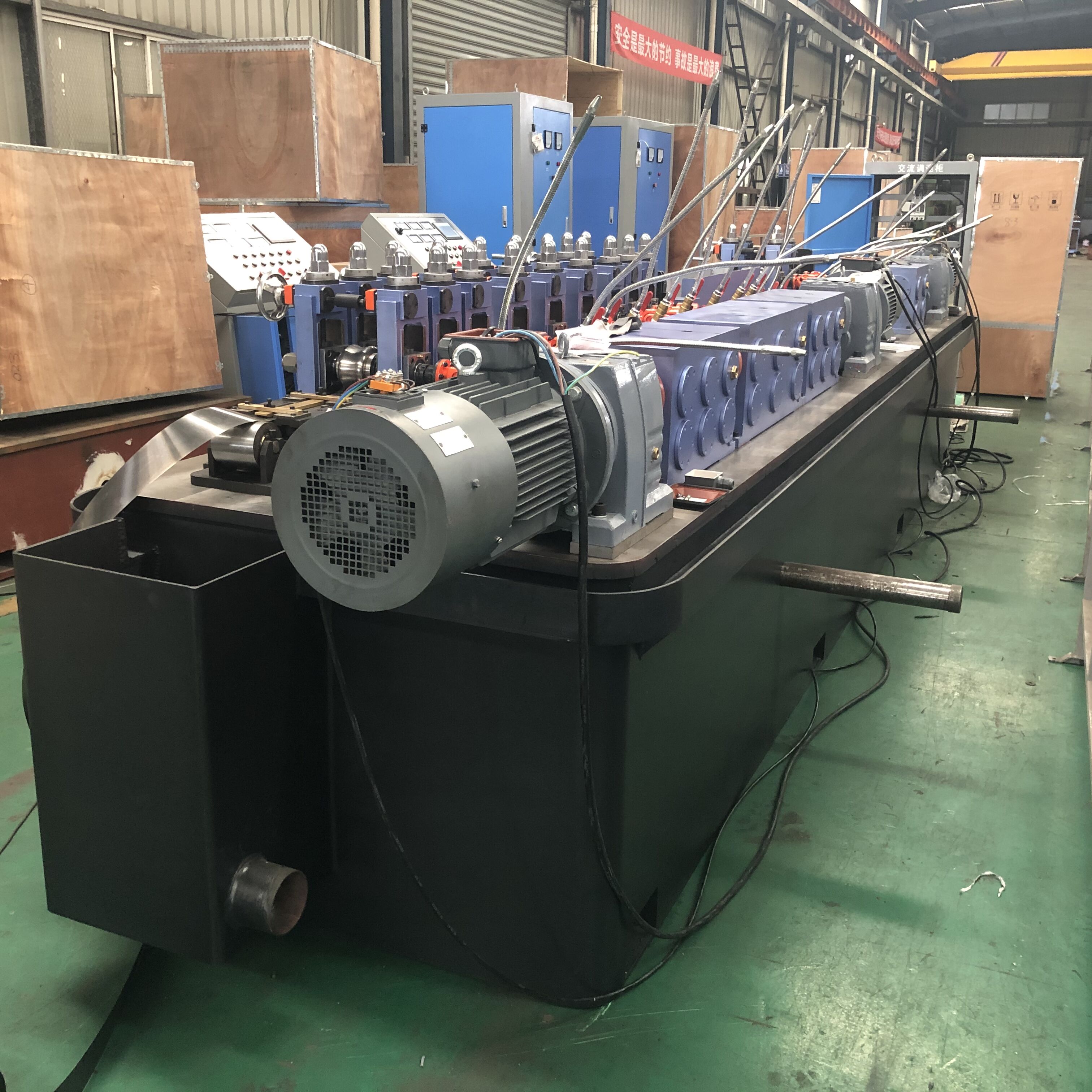
ကမ္ဘာတစ်ဝှမ်းရှိ ထုတ်လုပ်ရေးလုပ်ငန်းများသည် အသုံးချမှုအမျိုးမျိုးအတွက် အရည်အသွေးမြင့် သတ္တုပြွန်များ ထုတ်လုပ်ရန်အတွက် ထိရောက်ပြီး တိကျသော စက်ပစ္စည်းများကို အားကိုးအားထားပြုကြသည်။ ပြွန်ပုံသွင်းစက်သည် ခေတ်မီသတ္တုလုပ်ငန်းတွင် အဓိကနည်းပညာတစ်ခုကို ကိုယ်စားပြုပြီး ထုတ်လုပ်သူများအား ပြားချပ်ချပ်သတ္တုအစင်းများကို ပြီးပြည့်စုံသောပုံသဏ္ဌာန်ရှိသော စက်ဝိုင်း၊ စတုရန်း သို့မဟုတ် ထောင့်မှန်စတုဂံပြွန်များအဖြစ်သို့ ထူးခြားသောတိကျမှုဖြင့် ပြောင်းလဲနိုင်စွမ်းကို ပေးဆောင်သည်။ ဤခေတ်မီစက်များသည် စက်မှုလုပ်ငန်းများက ပြွန်ထုတ်လုပ်မှုကို ချဉ်းကပ်ပုံကို တော်လှန်ပြောင်းလဲခဲ့ပြီး ပစ္စည်းဖြုန်းတီးမှုနှင့် ထုတ်လုပ်မှုအချိန်ကို အနည်းဆုံးဖြစ်အောင် လုပ်ဆောင်ပေးနေစဉ်တွင် တသမတ်တည်းရလဒ်များကို ပေးဆောင်ခဲ့သည်။ သင်၏ထုတ်လုပ်မှုလုပ်ငန်းများတွင် ပြွန်ပုံသွင်းစက်ကို အကောင်အထည်ဖော်ခြင်း၏ ပြည့်စုံသောအကျိုးကျေးဇူးများကို နားလည်ခြင်းသည် သင်၏လုပ်ငန်း၏ ထုတ်လုပ်မှုစွမ်းအား၊ အရည်အသွေးစံနှုန်းများနှင့် အလုံးစုံအကျိုးအမြတ်ကို သိသိသာသာ သက်ရောက်မှုရှိနိုင်သည်။
ထုတ်လုပ်မှု ကျွမ်းကျင်မှုနှင့် အမြန်တိုးခြင်း
အလိုအလျောက်လုပ်ငန်းစဉ်ဆောင်ရွက်နိုင်မှုများ
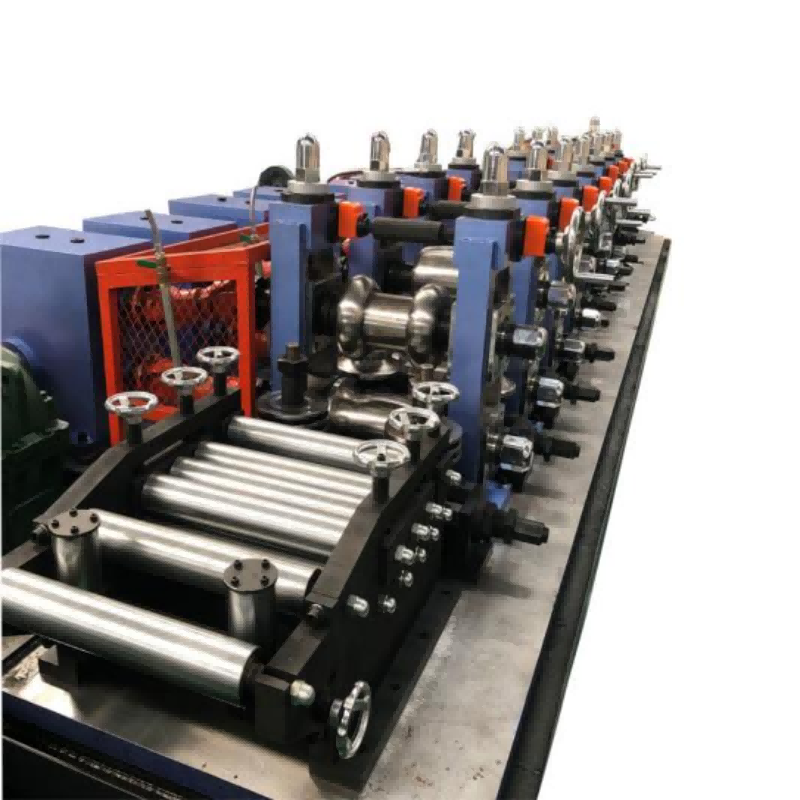
ခေတ်မီပြွန်ပုံသွင်းစက်နည်းပညာသည် လက်ဖြင့်ဝင်ရောက်စွက်ဖက်မှုလိုအပ်ချက်များကို သိသိသာသာလျှော့ချပေးသည့် အဆင့်မြင့်အလိုအလျောက်စနစ်များ ပါဝင်သည်။ ဤအလိုအလျောက်လုပ်ဆောင်ချက်များသည် အော်ပရေတာကြီးကြပ်မှုအနည်းဆုံးဖြင့် စဉ်ဆက်မပြတ်လည်ပတ်နိုင်စေပြီး ထုတ်လုပ်သူများအား ရိုးရာပုံသွင်းနည်းလမ်းများနှင့်နှိုင်းယှဉ်ပါက ပိုမိုမြင့်မားသော throughput rates များရရှိစေသည်။ ပေါင်းစပ်ထိန်းချုပ်မှုစနစ်များသည် ပစ္စည်းကျွေးမွေးခြင်းမှသည် နောက်ဆုံးပြွန်ဖြတ်တောက်ခြင်းအထိ ပုံသွင်းခြင်းလုပ်ငန်းစဉ်၏ ရှုထောင့်တိုင်းကို စောင့်ကြည့်ပေးပြီး ထုတ်လုပ်မှုတိုးချဲ့ခြင်းတစ်လျှောက် အကောင်းဆုံးစွမ်းဆောင်ရည်ကို သေချာစေသည်။ ဤအလိုအလျောက်လုပ်ဆောင်ခြင်းအဆင့်သည် ထုတ်လုပ်မှုတိုးမြှင့်ခြင်းနှင့် အလုပ်သမားကုန်ကျစရိတ်လျှော့ချခြင်းသို့ တိုက်ရိုက်ပြောင်းလဲပေးပြီး ပြွန်ပုံသွင်းစက်ကို ပမာဏများစွာထုတ်လုပ်သည့်ပတ်ဝန်းကျင်များအတွက် အဖိုးမဖြတ်နိုင်သောပိုင်ဆိုင်မှုတစ်ခုဖြစ်စေသည်။
ခေတ်ပြိုင်ပြွန်ပုံသွင်းစက်များ၏ ခေတ်မီသော ပရိုဂရမ်းမင်းစွမ်းရည်များသည် အော်ပရေတာများအား ရှည်လျားသော စနစ်ထည့်သွင်းမှုလုပ်ထုံးလုပ်နည်းများမရှိဘဲ မတူညီသောပြွန်သတ်မှတ်ချက်များကို လျင်မြန်စွာ ပြောင်းလဲနိုင်စေပါသည်။ ကြိုတင်ပရိုဂရမ်းမင်းထားသော ပရိုဖိုင်များကို ချက်ချင်းသိမ်းဆည်းပြီး ပြန်လည်သိမ်းဆည်းနိုင်သောကြောင့် ထုတ်လုပ်သူများသည် ပြောင်းလဲနေသော ဖောက်သည်များ၏ လိုအပ်ချက်များ သို့မဟုတ် ထုတ်လုပ်မှုအချိန်ဇယားများကို လျင်မြန်စွာ တုံ့ပြန်နိုင်စေပါသည်။ ဤပြောင်းလွယ်ပြင်လွယ်ရှိမှုသည် မတူညီသော ထုတ်ကုန်လိုင်းများ သို့မဟုတ် စိတ်ကြိုက်ပြွန်သတ်မှတ်ချက်များကို ကိုင်တွယ်သော ကုမ္ပဏီများအတွက် အထူးအကျိုးရှိပါသည်၊ အဘယ်ကြောင့်ဆိုသော် စက်သည် မတူညီသော အတိုင်းအတာလိုအပ်ချက်များနှင့် ပစ္စည်းအမျိုးအစားများကို ချောမွေ့စွာ လိုက်လျောညီထွေဖြစ်အောင် ပြုလုပ်နိုင်သောကြောင့်ဖြစ်သည်။
တသမတ်တည်း ထုတ်လုပ်မှုနှုန်းထားများ
အော်ပရေတာပင်ပန်းနွမ်းနယ်မှုနှင့် ကျွမ်းကျင်မှုကွဲပြားမှုများအပေါ် မူတည်သည့် လက်ဖြင့်ပုံသွင်းခြင်းလုပ်ငန်းစဉ်များနှင့်မတူဘဲ၊ ပြွန်ပုံသွင်းစက်သည် အဆိုင်းတစ်လျှောက်လုံးတွင် တသမတ်တည်းထုတ်လုပ်မှုနှုန်းထားများကို ထိန်းသိမ်းထားသည်။ စက်ပိုင်းဆိုင်ရာတိကျမှုနှင့် ထိန်းချုပ်ထားသော အစာကျွေးခြင်းယန္တရားများသည် ပြွန်တစ်ခုစီကို တူညီသောအမြန်နှုန်းနှင့် တူညီသောကန့်သတ်ချက်များဖြင့် ပုံသွင်းထားကြောင်း သေချာစေပြီး လက်ဖြင့်လည်ပတ်မှုများနှင့် ဆက်စပ်နေသော ထုတ်လုပ်မှုအတက်အကျများကို ဖယ်ရှားပေးသည်။ ဤတသမတ်တည်းရှိမှုသည် တိကျသောထုတ်လုပ်မှုစီမံကိန်းနှင့် အချိန်ဇယားဆွဲခြင်းကို ဖြစ်စေပြီး ထုတ်လုပ်သူများအား ပို့ဆောင်ရေးကတိကဝတ်များကို ယုံကြည်စိတ်ချစွာ ပြည့်မီစေပါသည်။
ပြွန်ပုံသွင်းစက်များ၏ စဉ်ဆက်မပြတ်လည်ပတ်နိုင်စွမ်းသည် ထုတ်လုပ်မှုကို ကြာရှည်စွာ အနှောင့်အယှက်ကင်းစွာ ဆက်လက်လုပ်ဆောင်နိုင်ပြီး စက်ပစ္စည်းအသုံးပြုမှုကို အများဆုံးဖြစ်စေပြီး ရပ်တန့်ချိန်ကို အနည်းဆုံးဖြစ်စေသည်။ အဆင့်မြင့်မော်ဒယ်များတွင် ထုတ်လုပ်မှုအနှောင့်အယှက်များ မဖြစ်စေမီ အော်ပရေတာများအား ဖြစ်နိုင်ချေရှိသောပြဿနာများကို အသိပေးသည့် ကြိုတင်ခန့်မှန်းပြုပြင်ထိန်းသိမ်းမှုအင်္ဂါရပ်များ ပါဝင်ပြီး အလုံးစုံစွမ်းဆောင်ရည်ကို ပိုမိုမြှင့်တင်ပေးပြီး မမျှော်လင့်ထားသော ပြုပြင်ထိန်းသိမ်းမှုကုန်ကျစရိတ်များကို လျှော့ချပေးသည်။
သာလွန်ကောင်းမွန်သော အရည်အသွေးနှင့် တိကျမှုစံနှုန်းများ
အတိုင်းအတာ တိကျမှု ထိန်းချုပ်မှု
ပြွန်ပုံသွင်းစက်ဒီဇိုင်းတွင် တိကျသောအင်ဂျင်နီယာပညာသည် ထုတ်လုပ်ထားသောပြွန်အားလုံးတွင် ထူးကဲသောအတိုင်းအတာတိကျမှုကို သေချာစေသည်။ ထိန်းချုပ်ထားသောပုံသွင်းခြင်းလုပ်ငန်းစဉ်သည် တသမတ်တည်းရှိသော နံရံအထူ၊ အချင်းတိုင်းတာမှုများနှင့် စက်မှုလုပ်ငန်းစံနှုန်းများနှင့် ကိုက်ညီသော သို့မဟုတ် ကျော်လွန်သော ဖြောင့်တန်းမှုခံနိုင်ရည်များကို ထိန်းသိမ်းထားသည်။ ဤတိကျမှုအဆင့်သည် ပြွန်များကို တပ်ဆင်မှုများထဲသို့ တိကျစွာတပ်ဆင်ရမည် သို့မဟုတ် မော်တော်ကားအိတ်ဇောစနစ်များ၊ ဟိုက်ဒရောလစ်တပ်ဆင်မှုများ သို့မဟုတ် ဖွဲ့စည်းတည်ဆောက်ပုံဘောင်များကဲ့သို့သော အခြားအစိတ်အပိုင်းများနှင့် ချိတ်ဆက်ရမည့် အသုံးချမှုများအတွက် အရေးကြီးကြောင်း သက်သေပြသည်။
ခေတ်မီပြွန်ပုံသွင်းစက်များတွင် ပေါင်းစပ်ထားသော အဆင့်မြင့်တိုင်းတာမှုစနစ်များသည် အတိုင်းအတာဆိုင်ရာ သတ်မှတ်ချက်များအပေါ် အချိန်နှင့်တပြေးညီ တုံ့ပြန်ချက်ပေးစွမ်းပြီး သတ်မှတ်ထားသော ခံနိုင်ရည်များကို ထိန်းသိမ်းရန် ပုံသွင်းဖိအားများနှင့် အမြန်နှုန်းများကို အလိုအလျောက် ချိန်ညှိပေးသည်။ ဤပိတ်ထားသော ကွင်းဆက်ထိန်းချုပ်မှုစနစ်သည် လက်ဖြင့်ပုံသွင်းနည်းလမ်းများဖြင့် ဖြစ်ပွားနိုင်သော အတိုင်းအတာကွဲပြားမှုများကို ဖယ်ရှားပေးပြီး ထုတ်လုပ်မှုပမာဏ သို့မဟုတ် အော်ပရေတာအတွေ့အကြုံအဆင့် မည်သို့ပင်ရှိစေကာမူ ပြွန်တိုင်းသည် တိကျသောသတ်မှတ်ချက်များနှင့် ကိုက်ညီကြောင်း သေချာစေသည်။
မျက်နှာပြင် အပြီးသတ်အဆင့် ထူးချွန်မှု
ပြွန်ပုံသွင်းစက်၏ ထိန်းချုပ်ထားသော ပုံသွင်းခြင်းလုပ်ငန်းစဉ်သည် အခြားထုတ်လုပ်မှုနည်းလမ်းများနှင့် နှိုင်းယှဉ်ပါက ပိုမိုကောင်းမွန်သော မျက်နှာပြင်အပြီးသတ်မှုများကို ထုတ်လုပ်ပေးသည်။ တဖြည်းဖြည်းပုံသွင်းခြင်းလုပ်ဆောင်ချက်သည် မျက်နှာပြင်ခြစ်ရာများ၊ ချိုင့်ခွက်များ သို့မဟုတ် အသွင်အပြင်နှင့် လုပ်ဆောင်နိုင်စွမ်း နှစ်မျိုးလုံးကို ထိခိုက်စေနိုင်သည့် အခြားချို့ယွင်းချက်များကို လျော့နည်းစေသည်။ ဤမြှင့်တင်ထားသော မျက်နှာပြင်အရည်အသွေးသည် ဒုတိယအပြီးသတ်လုပ်ငန်းများကို လျှော့ချပေးသည် သို့မဟုတ် ဖယ်ရှားပေးသည်၊ တင်းကျပ်သော အရည်အသွေးလိုအပ်ချက်များနှင့် ကိုက်ညီသော ထုတ်ကုန်များကို ပေးအပ်နေစဉ်တွင် အချိန်ကုန်သက်သာစေပြီး အလုံးစုံထုတ်လုပ်မှုကုန်ကျစရိတ်များကို လျှော့ချပေးသည်။
မျက်နှာပြင်ပြီးစီးမှုအရည်အသွေး တသမတ်တည်းရှိခြင်းသည် ပြီးစီးသွားသောပြွန်များ၏ စွမ်းဆောင်ရည်ဝိသေသလက္ခဏာများကိုလည်း တိုးတက်ကောင်းမွန်စေသည်၊ အထူးသဖြင့် ချောမွေ့သောအတွင်းပိုင်းမျက်နှာပြင်များသည် ပွတ်တိုက်မှုဆုံးရှုံးမှုများကို လျှော့ချပေးပြီး စနစ်စွမ်းဆောင်ရည်ကို တိုးတက်စေသည့် အရည်စီးဆင်းမှုပါဝင်သည့် အသုံးချမှုများတွင်ဖြစ်သည်။ ပြွန်ဖွဲ့စည်းသည့်စက်များဖြင့် ရရှိသော ခန့်မှန်းနိုင်သော မျက်နှာပြင်အရည်အသွေးသည် ထုတ်လုပ်သူများအား ၎င်းတို့၏ဖောက်သည်များအား စွမ်းဆောင်ရည်သတ်မှတ်ချက်များကို ယုံကြည်စိတ်ချစွာ အာမခံနိုင်စေပါသည်။
ကုန်ပစ္စည်းအချိန်မှာ လွယ်ကူသော ထုတ်လုပ်ရေးဖြေရှင်းချက်များ
အရောင်းအကျသို့ ပစ္စည်း၏ ဆုံးဖြတ်မှု လျော့ချခြင်း
အကောင်းဆုံးအခြားပိုင်းလှိုင်းကို အသုံးပြုခြင်း ကိုင်တွန်ဖော်မင်းစက် ပုံသွင်းခြင်းလုပ်ငန်းစဉ်ကို တိကျစွာထိန်းချုပ်ခြင်းနှင့် အကောင်းဆုံးပစ္စည်းအသုံးပြုမှုမှတစ်ဆင့် ပစ္စည်းဖြုန်းတီးမှုကို သိသိသာသာလျှော့ချပေးသည်။ တိကျသောအစာကျွေးခြင်းယန္တရားများသည် ပစ္စည်းသုံးစွဲမှုသည် သီအိုရီဆိုင်ရာတွက်ချက်မှုများနှင့် ကိုက်ညီကြောင်းသေချာစေပြီး စွန့်ပစ်ပစ္စည်းထုတ်လုပ်မှုကို လျှော့ချပေးပြီး ကုန်ကြမ်းကုန်ကျစရိတ်များကို လျှော့ချပေးသည်။ ပုံသွင်းစက်နှင့် ပေါင်းစပ်ထားသော အဆင့်မြင့်ဖြတ်တောက်မှုစနစ်များသည် ဖြတ်တောက်ခြင်းလုပ်ငန်းစဉ်အတွင်း ပစ္စည်းဖြုန်းတီးမှုကို ဖယ်ရှားပေးပြီး ပစ္စည်းစွမ်းဆောင်ရည်ကို ပိုမိုတိုးတက်စေသည်။
ပစ္စည်းအထူနှင့် အမျိုးအစားအမျိုးမျိုးဖြင့် အလုပ်လုပ်နိုင်စွမ်းသည် ထုတ်လုပ်သူများအား စွမ်းဆောင်ရည်သတ်မှတ်ချက်များနှင့် ကိုက်ညီရန် လိုအပ်သော အနည်းဆုံးပစ္စည်းကိုသာ အသုံးပြု၍ သီးခြားအသုံးချမှုများအတွက် ပစ္စည်းရွေးချယ်မှုကို အကောင်းဆုံးဖြစ်အောင် လုပ်ဆောင်နိုင်စေပါသည်။ ဤအကောင်းဆုံးဖြစ်အောင်လုပ်ဆောင်နိုင်စွမ်းသည် အထူးသဖြင့် ဈေးကြီးသော အလွိုင်းသံမဏိများ သို့မဟုတ် အလဟဿလျှော့ချမှုသည် အကျိုးအမြတ်ကို တိုက်ရိုက်သက်ရောက်မှုရှိသည့် အထူးပစ္စည်းများဖြင့် အလုပ်လုပ်သည့်အခါ ပစ္စည်းကုန်ကျစရိတ်ကို သိသိသာသာ ချွေတာနိုင်စေပါသည်။
အလုပ်အကိုင်ကုန်ကျစွဲမှုကို အကောင်အထည်ဖော်ခြင်း
ပြွန်ပုံသွင်းစက်များ၏ အလိုအလျောက်လည်ပတ်မှုသည် လက်ဖြင့်ပုံသွင်းခြင်းလုပ်ငန်းစဉ်များနှင့် နှိုင်းယှဉ်ပါက ကျွမ်းကျင်သော အော်ပရေတာ နည်းပါးသောကြောင့် ထုတ်လုပ်မှုအထွက်ကို ထိန်းသိမ်းခြင်း သို့မဟုတ် တိုးတက်စေခြင်းနှင့်အတူ လုပ်အားကုန်ကျစရိတ်ကို လျှော့ချပေးပါသည်။ အော်ပရေတာတစ်ဦးတည်းသည် စက်များစွာကို စီမံခန့်ခွဲနိုင်သည် သို့မဟုတ် တိုးချဲ့ထုတ်လုပ်မှုလုပ်ငန်းစဉ်များကို အနည်းဆုံးဝင်ရောက်စွက်ဖက်မှုဖြင့် ကြီးကြပ်နိုင်ပြီး လုပ်အားထိရောက်မှုကို အမြင့်ဆုံးဖြစ်စေပြီး ယူနစ်တစ်ခုလျှင် လုပ်အားကုန်ကျစရိတ်ကို လျှော့ချပေးပါသည်။
ခေတ်မီပြွန်ပုံသွင်းစက်များကို လည်ပတ်ရန်အတွက် ကျွမ်းကျင်မှုလိုအပ်ချက်များ လျော့နည်းသွားခြင်းကြောင့် ရရှိနိုင်သော အလုပ်သမားအင်အားကိုလည်း တိုးချဲ့ပေးပြီး လေ့ကျင့်ရေးကုန်ကျစရိတ်များကို လျှော့ချပေးပါသည်။ တပ်ဆင်ခြင်းနှင့် ပြုပြင်ထိန်းသိမ်းခြင်းလုပ်ငန်းစဉ်များအတွက် အထူးပြုဗဟုသုတသည် အရေးကြီးနေဆဲဖြစ်သော်လည်း၊ နေ့စဉ်လုပ်ငန်းဆောင်တာများသည် ရိုးရာပုံသွင်းနည်းလမ်းများထက် အထူးပြုကျွမ်းကျင်မှု နည်းပါးစွာ လိုအပ်ပြီး ထုတ်လုပ်သူများအား ဝန်ထမ်းရွေးချယ်မှုများတွင် ပိုမိုပြောင်းလွယ်ပြင်လွယ်ရှိစေပါသည်။
အမျိုးမျိုးသော အသုံးပြုနိုင်မှုနှင့် အပြောင်းအလဲနိုင်မှုအင်္ဂါရပ်များ
မျိုးစုံပစ္စည်းများနှင့် ကိုက်ညီမှု
ခေတ်ပြိုင်ပြွန်ပုံသွင်းစက်ဒီဇိုင်းများသည် စံကာဗွန်သံမဏိမှ ထူးခြားဆန်းပြားသောသတ္တုစပ်များ၊ သံမဏိ၊ အလူမီနီယမ်နှင့် အထူးပြုပစ္စည်းများအထိ ပစ္စည်းအမျိုးမျိုးကို လိုက်လျောညီထွေဖြစ်စေသည်။ ဤစွယ်စုံရမှုသည် ထုတ်လုပ်သူများအား အထူးပြုစက်များစွာတွင် ရင်းနှီးမြှုပ်နှံစရာမလိုဘဲ ကွဲပြားသောစျေးကွက်များနှင့် အသုံးချမှုများကို ဝန်ဆောင်မှုပေးနိုင်သည်။ ချိန်ညှိနိုင်သော ပုံသွင်းကန့်သတ်ချက်များသည် ပစ္စည်းအမျိုးအစားတစ်ခုစီ၏ အကောင်းဆုံးလုပ်ဆောင်မှုကို ဖြစ်စေပြီး သီးခြားပစ္စည်းဝိသေသလက္ခဏာများ မည်သို့ပင်ရှိစေကာမူ အရည်အသွေးကို တသမတ်တည်းသေချာစေသည်။
မတူညီသော ပစ္စည်းအထူနှင့် အကျယ်များကို စီမံဆောင်ရွက်နိုင်စွမ်းသည် ပြွန်ပုံသွင်းစက်များ၏ စွယ်စုံရဖြစ်မှုကို ပိုမိုမြှင့်တင်ပေးပါသည်။ လျင်မြန်စွာ ပြောင်းလဲနိုင်စွမ်းသည် ထုတ်လုပ်သူများအား ပစ္စည်းအမျိုးအစားများနှင့် အတိုင်းအတာများအကြား ထိရောက်စွာ ပြောင်းလဲနိုင်စေပြီး တူညီသော ထုတ်လုပ်မှုစက်ရုံအတွင်း ပမာဏများစွာ ထုတ်လုပ်မှုနှင့် အထူးမှာယူမှုငယ်များကို ပံ့ပိုးပေးပါသည်။
စိတ်ကြိုက်ပရိုဖိုင်စွမ်းရည်များ
ခေတ်မီပြွန်ပုံသွင်းစက်နည်းပညာသည် ရိုးရှင်းသောအဝိုင်းပြွန်များထက် ကျော်လွန်၍ စတုရန်း၊ စတုဂံနှင့် စိတ်ကြိုက်ပရိုဖိုင်ပုံသဏ္ဍာန်များ ပါဝင်ပါသည်။ ဤစွမ်းရည်သည် ထုတ်လုပ်သူများအား စက်ပစ္စည်းအသုံးပြုမှုကို အမြင့်ဆုံးဖြစ်စေစဉ်တွင် ၎င်းတို့၏ဖောက်သည်များအား ပြည့်စုံသောပြွန်ဖြေရှင်းချက်များကို ပေးဆောင်နိုင်စေပါသည်။ ပရိုဂရမ်ရေးဆွဲနိုင်သော ပုံသွင်းစနစ်များသည် ပရိုဖိုင်ပုံစံများစွာကို သိမ်းဆည်းနိုင်ပြီး ထုတ်လုပ်မှုလိုအပ်ချက်များ ပြောင်းလဲလာသည်နှင့်အမျှ မတူညီသောပုံသဏ္ဍာန်များနှင့် အရွယ်အစားများအကြား လျင်မြန်စွာပြောင်းလဲနိုင်စေပါသည်။
အဆင့်မြင့်ပြွန်ပုံသွင်းစက်များသည် ဖောက်ခြင်း၊ ခြစ်ခြင်း သို့မဟုတ် အဆုံးပုံသွင်းခြင်းကဲ့သို့သော ဒုတိယလုပ်ဆောင်ချက်များကိုလည်း ပေါင်းစပ်နိုင်ပြီး စက်မှတစ်ဆင့် တစ်ကြိမ်တည်းဖြင့် ပြီးပြည့်စုံသော ထုတ်ကုန်များကို ဖန်တီးပေးပါသည်။ ဤပေါင်းစပ်စွမ်းရည်သည် ကိုင်တွယ်မှုလိုအပ်ချက်များကို လျှော့ချပေးပြီး၊ လုပ်ငန်းစဉ်အတွင်း လုပ်ငန်းစာရင်းကို လျှော့ချပေးပြီး ထုတ်လုပ်မှုအချိန်များကို တိုတောင်းစေပါသည်။
ဘေးကင်းရေးနှင့် လုပ်ငန်းလည်ပတ်မှုဆိုင်ရာ အားသာချက်များ
အလုပ်터ရှိ အားကစားမှုကို ပိုမိုတိုးတက်စေရန်
ပြွန်ပုံသွင်းစက်များ၏ အလုံပိတ်ဒီဇိုင်းနှင့် အလိုအလျောက်လည်ပတ်မှုသည် လက်ဖြင့်ပုံသွင်းခြင်းလုပ်ငန်းများနှင့် နှိုင်းယှဉ်ပါက အလုပ်ခွင်ဘေးကင်းရေးကို သိသိသာသာတိုးတက်စေသည်။ ဘေးကင်းရေးချိတ်ဆက်မှုများနှင့် အရေးပေါ်ရပ်တန့်စနစ်များသည် အော်ပရေတာများကို အန္တရာယ်များမှ ကာကွယ်ပေးပြီး လက်ဖြင့်ကိုင်တွယ်ရန် လိုအပ်ချက်များ လျော့နည်းသွားခြင်းက ထပ်ခါတလဲလဲ တင်းမာမှုဒဏ်ရာများနှင့် ပစ္စည်းကိုင်တွယ်မှု မတော်တဆမှုများ၏ အန္တရာယ်ကို လျော့နည်းစေသည်။
အလင်းကာများ၊ ဖိအားအာရုံခံဖျာများနှင့် lockout/tagout စနစ်များအပါအဝင် အဆင့်မြင့်ဘေးကင်းရေးအင်္ဂါရပ်များသည် ပြွန်ပုံသွင်းစက်များသည် စက်မှုလုပ်ငန်းပတ်ဝန်းကျင်များတွင် ဘေးကင်းစွာလည်ပတ်နိုင်ကြောင်း သေချာစေသည်။ ဤဘေးကင်းရေးစနစ်များသည် ဝန်ထမ်းများကို ကာကွယ်ပေးရုံသာမက ထုတ်လုပ်သူများအား အလုပ်ခွင်ဘေးကင်းရေးစည်းမျဉ်းများနှင့် ကိုက်ညီမှုရှိစေရန်နှင့် အလုပ်ခွင်မတော်တဆမှုများနှင့်ဆက်စပ်သော အာမခံကုန်ကျစရိတ်များကို လျှော့ချရန်လည်း ကူညီပေးပါသည်။
ရုပ်ပိုင်းဆိုင်ရာ လိုအပ်ချက်များ လျော့နည်းသွားခြင်း
ပြွန်ပုံသွင်းစက်များ၏ အလိုအလျောက်ပစ္စည်းကိုင်တွယ်ခြင်းနှင့် ပုံသွင်းခြင်းလုပ်ငန်းစဉ်များသည် လက်ဖြင့်ပြွန်ထုတ်လုပ်မှုနှင့်ဆက်စပ်သော ရုပ်ပိုင်းဆိုင်ရာဖိအားများစွာကို ဖယ်ရှားပေးပါသည်။ အော်ပရေတာများသည် လေးလံသောပစ္စည်းများကို လက်ဖြင့်ကိုင်တွယ်ရန် သို့မဟုတ် ပုံသွင်းအားများကို အသုံးပြုရန် မလိုအပ်တော့ဘဲ မောပန်းနွမ်းနယ်မှုကို လျှော့ချပေးပြီး အလုပ်ကျေနပ်မှုကို တိုးတက်စေပါသည်။ ဤ ergonomic တိုးတက်မှုသည် အလုပ်ပျက်ကွက်မှုကို လျှော့ချပေးပြီး အလုပ်သမားလျော်ကြေးကုန်ကျစရိတ်များကို လျှော့ချပေးနိုင်ပါသည်။
ပြွန်ပုံသွင်းစက်များမှ ပံ့ပိုးပေးသော တသမတ်တည်းလည်ပတ်မှုပတ်ဝန်းကျင်သည် လက်ဖြင့်ပုံသွင်းခြင်းလုပ်ငန်းများနှင့် ဆက်စပ်နေသော ကွဲပြားသောလိုအပ်ချက်များနှင့် အခြေအနေများကို မထိတွေ့သောကြောင့် အလုပ်သမားများအပေါ် ရုပ်ပိုင်းဆိုင်ရာဖိစီးမှုကိုလည်း လျော့နည်းစေသည်။ ဤတသမတ်တည်းရှိမှုသည် ကြာရှည်စွာ အလုပ်သမားကျန်းမာရေးနှင့် ထုတ်လုပ်နိုင်စွမ်းကို ပိုမိုကောင်းမွန်စေသည်။
နည်းပညာ ပေါင်းစည်းခြင်းနှင့် အနာဂတ်အတွက် ပြင်ဆင်ခြင်း
စက်မှုလုပ်ငန်း ၄.၀ အညီအညွတ်ဖြစ်မှု
ခေတ်မီပြွန်ပုံသွင်းစက်များတွင် IoT ချိတ်ဆက်မှု၊ အချက်အလက်ခွဲခြမ်းစိတ်ဖြာမှုနှင့် အဝေးထိန်းစောင့်ကြည့်နိုင်စွမ်းများအပါအဝင် Industry 4.0 နည်းပညာများ ပါဝင်သည်။ ဤအဆင့်မြင့်အင်္ဂါရပ်များသည် ထုတ်လုပ်သူများအား အချက်အလက်အခြေပြု ထိုးထွင်းသိမြင်မှုများနှင့် ကြိုတင်ခန့်မှန်းထိန်းသိမ်းမှုဗျူဟာများမှတစ်ဆင့် ထုတ်လုပ်မှုလုပ်ငန်းစဉ်များကို အကောင်းဆုံးဖြစ်အောင် ပြုလုပ်နိုင်စေပါသည်။ အချိန်နှင့်တပြေးညီ ထုတ်လုပ်မှုဒေတာစုဆောင်းခြင်းသည် ထိရောက်မှုတိုးတက်မှုများနှင့် အရည်အသွေးအကောင်းဆုံးဖြစ်အောင်ပြုလုပ်ခြင်းအခွင့်အလမ်းများကို ဖော်ထုတ်ရန် ကူညီပေးသည်။
ခေတ်ပြိုင်ပြွန်ပုံသွင်းစက်များ၏ ပေါင်းစပ်စွမ်းရည်များသည် enterprise resource planning systems၊ production scheduling software နှင့် quality management systems များနှင့် ချောမွေ့စွာ ချိတ်ဆက်နိုင်စေပါသည်။ ဤချိတ်ဆက်မှုသည် အလိုအလျောက် အစီရင်ခံခြင်း၊ ကုန်ပစ္စည်းစာရင်း ခြေရာခံခြင်းနှင့် ထုတ်လုပ်မှု အကောင်းဆုံးဖြစ်အောင် လုပ်ဆောင်ခြင်းတို့ကို ပြုလုပ်နိုင်စေပြီး lean manufacturing အစပျိုးမှုများနှင့် စဉ်ဆက်မပြတ်တိုးတက်မှုအစီအစဉ်များကို ပံ့ပိုးပေးပါသည်။
စွမ်းရည်တိုးချဲ့နိုင်မှုနှင့် ချဲ့ထွင်နိုင်မှု ရွေးချယ်စရာများ
အရည်အသွေးမြင့် ပြွန်ပုံသွင်းစက်တွင် ရင်းနှီးမြှုပ်နှံခြင်းသည် စီးပွားရေးတိုးတက်မှုအတွက် တိုးချဲ့နိုင်သော အခြေခံအုတ်မြစ်ကို ပေးပါသည်။ ထုတ်လုပ်မှုလိုအပ်ချက်များ တိုးလာသည်နှင့်အမျှ နောက်ထပ် ပရိုဆက်ဆာမော်ဂျူးများ၊ အဆင့်မြှင့်တင်ထားသော ထိန်းချုပ်မှုစနစ်များနှင့် တိုးချဲ့ထားသော အလိုအလျောက်စနစ်များကို ထည့်သွင်းနိုင်ပြီး ပြောင်းလဲနေသော စီးပွားရေးလိုအပ်ချက်များကို ဖြည့်ဆည်းပေးနေစဉ် ကနဦးရင်းနှီးမြှုပ်နှံမှုကို ကာကွယ်ပေးပါသည်။ ဤမော်ဂျူလာချဉ်းကပ်မှုသည် ထုတ်လုပ်သူများအား ရှိပြီးသားစက်ပစ္စည်းများကို အစားထိုးခြင်းမရှိဘဲ စွမ်းရည်များကို တိုးချဲ့နိုင်စေပါသည်။
ခေတ်မီပြွန်ပုံသွင်းစက်များတွင် အသုံးပြုသော စံသတ်မှတ်ထားသော အင်တာဖေ့စ်များနှင့် ဆက်သွယ်ရေးပရိုတိုကောများသည် အနာဂတ်နည်းပညာ အဆင့်မြှင့်တင်မှုများနှင့် စနစ်ပေါင်းစပ်မှုများနှင့် လိုက်ဖက်ညီမှုရှိစေရန် သေချာစေသည်။ ဤအနာဂတ်အတွက် ခံနိုင်ရည်ရှိသော စွမ်းရည်သည် ထုတ်လုပ်မှုရင်းနှီးမြှုပ်နှံမှုများကို ကာကွယ်ပေးပြီး စက်ပစ္စည်းများသည် ၎င်း၏လည်ပတ်မှုသက်တမ်းတစ်လျှောက်လုံး ထုတ်လုပ်နိုင်စွမ်းရှိကြောင်း သေချာစေသည်။
မေးလေ့ရှိသောမေးခွန်းများ
ပြွန်ပုံသွင်းစက်အတွက် ပုံမှန်ပြုပြင်ထိန်းသိမ်းမှုလိုအပ်ချက်များကား အဘယ်နည်း
ပြွန်ပုံသွင်းစက်အတွက် ပုံမှန်ပြုပြင်ထိန်းသိမ်းမှုတွင် ရွေ့လျားနေသော အစိတ်အပိုင်းများကို နေ့စဉ်ချောဆီလိမ်းခြင်း၊ ပုံသွင်းလိပ်များနှင့် လမ်းညွှန်များကို အပတ်စဉ်စစ်ဆေးခြင်းနှင့် အတိုင်းအတာထိန်းချုပ်မှုစနစ်များ၏ လစဉ်ချိန်ညှိစစ်ဆေးမှုများ ပါဝင်သည်။ ထုတ်လုပ်သူအများစုသည် အကောင်းဆုံးစွမ်းဆောင်ရည်နှင့် တာရှည်ခံမှုကိုသေချာစေရန် အသေးစိတ်ပြုပြင်ထိန်းသိမ်းမှုအချိန်ဇယားများနှင့် လုပ်ထုံးလုပ်နည်းများကို ပေးဆောင်သည်။ ကြိုတင်ကာကွယ်ပြုပြင်ထိန်းသိမ်းမှုအစီအစဉ်များတွင် ပုံမှန်အားဖြင့် ဟောင်းနွမ်းနေသော အစိတ်အပိုင်းများကို ပုံမှန်အစားထိုးခြင်း၊ ဟိုက်ဒရောလစ်စနစ်ဝန်ဆောင်မှုနှင့် လျှပ်စစ်စနစ်စစ်ဆေးခြင်းများ ပါဝင်လေ့ရှိသည်။ ခေတ်မီစက်များတွင် အစိတ်အပိုင်းအခြေအနေကို စောင့်ကြည့်ပြီး ဝန်ဆောင်မှုလိုအပ်သည့်အခါ အော်ပရေတာများကို အသိပေးသည့် ကြိုတင်ခန့်မှန်းပြုပြင်ထိန်းသိမ်းမှုအင်္ဂါရပ်များ မကြာခဏ ပါဝင်လေ့ရှိသည်။
ထုတ်ကုန်အမျိုးမျိုးအတွက် ပြွန်ပုံသွင်းစက်တစ်လုံး တပ်ဆင်ရန် ပုံမှန်အားဖြင့် အချိန်မည်မျှကြာသနည်း။
ပြွန်ပုံသွင်းစက်များအတွက် တပ်ဆင်ချိန်များသည် ထုတ်ကုန်ပြောင်းလဲမှု၏ ရှုပ်ထွေးမှုနှင့် စက်ဒီဇိုင်းတွင် အလိုအလျောက်လုပ်ဆောင်ခြင်းအဆင့်ပေါ် မူတည်၍ ကွဲပြားသည်။ ရိုးရှင်းသော အချင်း သို့မဟုတ် အရှည်ပြောင်းလဲမှုများကို မိနစ် ၁၅ မှ ၃၀ အတွင်း ပြီးမြောက်နိုင်သော်လည်း၊ ပရိုဖိုင်ပြောင်းလဲမှုအပြည့်အစုံမှာ ၁ မှ ၂ နာရီအထိ လိုအပ်နိုင်သည်။ အမြန်ပြောင်းလဲနိုင်သော ကိရိယာစနစ်များနှင့် သိမ်းဆည်းထားသော ပရိုဂရမ်ပရိုဖိုင်များပါရှိသော အဆင့်မြင့်စက်များသည် တပ်ဆင်ချိန်ကို သိသိသာသာ လျှော့ချပေးနိုင်သည်။ သင့်လျော်သော တပ်ဆင်မှုလုပ်ထုံးလုပ်နည်းများနှင့် စနစ်တကျ ကိရိယာသိုလှောင်မှုကို ထိန်းသိမ်းခြင်းဆိုင်ရာ အော်ပရေတာများကို လေ့ကျင့်ပေးခြင်းသည် ပြောင်းလဲမှုစွမ်းဆောင်ရည်ကို ပိုမိုတိုးတက်စေသည်။
ပြွန်ပုံသွင်းစက်ကို ရွေးချယ်တဲ့အခါ ဘယ်အချက်တွေကို ထည့်သွင်းစဉ်းစားသင့်သလဲ
အဓိကရွေးချယ်မှုအချက်များတွင် ပြုပြင်ထုတ်လုပ်ရမည့်ပြွန်အရွယ်အစားနှင့် ပစ္စည်းအမျိုးမျိုး၊ လိုအပ်သောထုတ်လုပ်မှုပမာဏ၊ အတိုင်းအတာတိကျမှုလိုအပ်ချက်များနှင့် ရရှိနိုင်သောကြမ်းပြင်နေရာတို့ ပါဝင်သည်။ လိုအပ်သောအလိုအလျောက်လုပ်ဆောင်မှုအဆင့်၊ ရှိပြီးသားစနစ်များနှင့်ပေါင်းစပ်မှုလိုအပ်ချက်များနှင့် ထုတ်လုပ်သူ၏ပံ့ပိုးမှုစွမ်းရည်များကို ထည့်သွင်းစဉ်းစားပါ။ ကနဦးဝယ်ယူမှုစျေးနှုန်း၊ လည်ပတ်မှုကုန်ကျစရိတ်၊ ပြုပြင်ထိန်းသိမ်းမှုလိုအပ်ချက်များနှင့် အနာဂတ်တိုးချဲ့မှုအတွက်အလားအလာအပါအဝင် ပိုင်ဆိုင်မှုစုစုပေါင်းကုန်ကျစရိတ်ကို အကဲဖြတ်ပါ။ ထုတ်လုပ်သူ၏ဂုဏ်သတင်း၊ ဝန်ဆောင်မှုကွန်ရက်နှင့် အပိုပစ္စည်းများနှင့် နည်းပညာပံ့ပိုးမှုရရှိနိုင်မှုကို ပြန်လည်သုံးသပ်ပါ။
ပြွန်ပုံသွင်းစက်တစ်ခုသည် သံနှင့် သံမဟုတ်သော ပစ္စည်းနှစ်မျိုးလုံးကို စီမံဆောင်ရွက်နိုင်ပါသလား။
ခေတ်မီပြွန်ပုံသွင်းစက်အများစုကို သံမဏိနှင့် သံမဏိကဲ့သို့သော သံထည်ပစ္စည်းများအပြင် အလူမီနီယမ်၊ ကြေးနီနှင့် ကြေးဝါကဲ့သို့သော သံမဟုတ်သောပစ္စည်းများကို ကိုင်တွယ်ရန် ဒီဇိုင်းထုတ်ထားသည်။ အဓိကအချက်မှာ သင့်လျော်သော ပုံသွင်းလိပ်ပစ္စည်းများနှင့် ပစ္စည်းအမျိုးအစားတစ်ခုစီ၏ မတူညီသောဝိသေသလက္ခဏာများနှင့် ကိုက်ညီစေရန် ချိန်ညှိနိုင်သော ကန့်သတ်ချက်များပါရှိသော စက်ကို ရွေးချယ်ခြင်းဖြစ်သည်။ အချို့သောပစ္စည်းများသည် အကောင်းဆုံးရလဒ်များရရှိရန် အထူးကိရိယာများ သို့မဟုတ် ပြုပြင်ထားသော ပုံသွင်းခြင်းအစီအစဥ်များ လိုအပ်နိုင်သည်။ သင်၏ သီးခြားပစ္စည်းလိုအပ်ချက်များနှင့် ကိုက်ညီမှုရှိမရှိ သေချာစေရန်နှင့် မတူညီသောသတ္တုစပ်များအတွက် အကြံပြုထားသော လည်ပတ်မှုကန့်သတ်ချက်များရရှိရန် စက်ထုတ်လုပ်သူနှင့် တိုင်ပင်ပါ။
အကြောင်းအရာများ
- ထုတ်လုပ်မှု ကျွမ်းကျင်မှုနှင့် အမြန်တိုးခြင်း
- သာလွန်ကောင်းမွန်သော အရည်အသွေးနှင့် တိကျမှုစံနှုန်းများ
- ကုန်ပစ္စည်းအချိန်မှာ လွယ်ကူသော ထုတ်လုပ်ရေးဖြေရှင်းချက်များ
- အမျိုးမျိုးသော အသုံးပြုနိုင်မှုနှင့် အပြောင်းအလဲနိုင်မှုအင်္ဂါရပ်များ
- ဘေးကင်းရေးနှင့် လုပ်ငန်းလည်ပတ်မှုဆိုင်ရာ အားသာချက်များ
- နည်းပညာ ပေါင်းစည်းခြင်းနှင့် အနာဂတ်အတွက် ပြင်ဆင်ခြင်း
-
မေးလေ့ရှိသောမေးခွန်းများ
- ပြွန်ပုံသွင်းစက်အတွက် ပုံမှန်ပြုပြင်ထိန်းသိမ်းမှုလိုအပ်ချက်များကား အဘယ်နည်း
- ထုတ်ကုန်အမျိုးမျိုးအတွက် ပြွန်ပုံသွင်းစက်တစ်လုံး တပ်ဆင်ရန် ပုံမှန်အားဖြင့် အချိန်မည်မျှကြာသနည်း။
- ပြွန်ပုံသွင်းစက်ကို ရွေးချယ်တဲ့အခါ ဘယ်အချက်တွေကို ထည့်သွင်းစဉ်းစားသင့်သလဲ
- ပြွန်ပုံသွင်းစက်တစ်ခုသည် သံနှင့် သံမဟုတ်သော ပစ္စည်းနှစ်မျိုးလုံးကို စီမံဆောင်ရွက်နိုင်ပါသလား။