 EN
EN
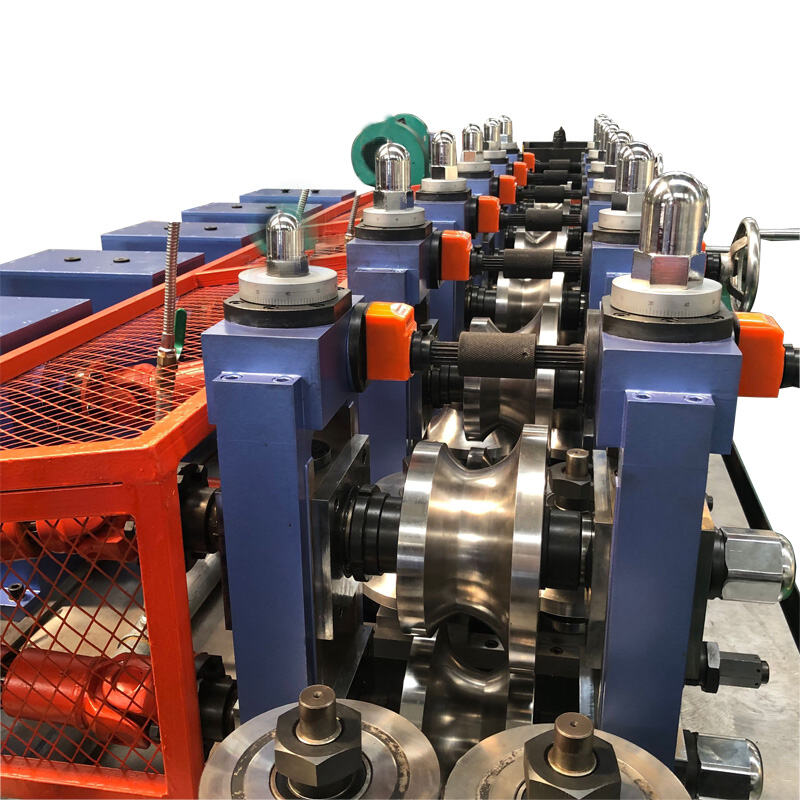
Промисловість виробництва продовжує розвиватися завдяки передовому обладнанню, яке забезпечує точність, ефективність та надійність. Серед найважливішого обладнання у металообробці — машина для виготовлення труб із сталі марки MS, яка відіграє ключову роль у виробництві труб середньої міцності для різноманітних промислових застосувань. Ці складні машини кардинально змінили підхід виробників до виробництва труб, забезпечуючи покращений контроль над розмірами, властивостями матеріалу та швидкістю виробництва. Сучасні виробничі потужності покладаються на ці системи для задоволення зростаючого попиту на якісні сталеві труби в будівництві, автомобільній промисловості та проектах інфраструктури.
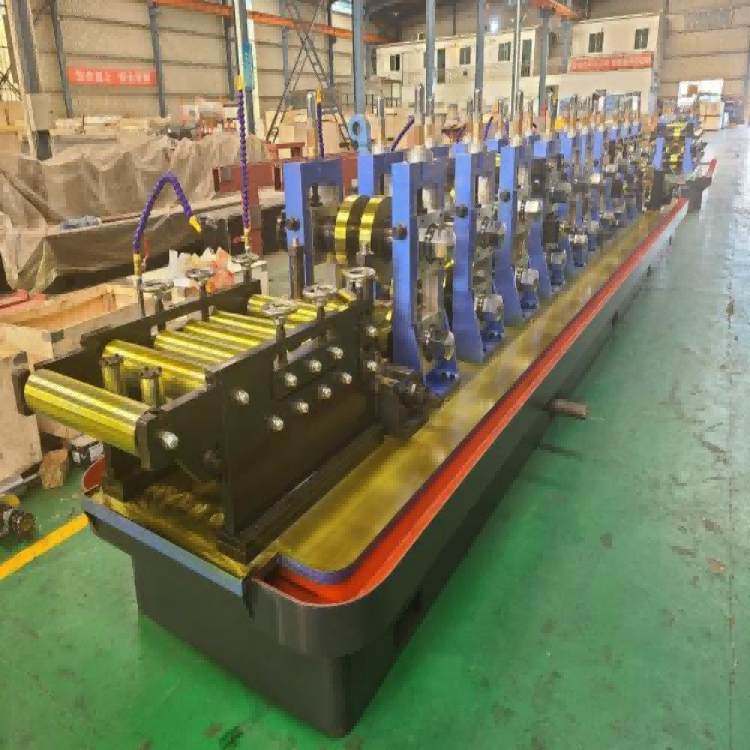
Технологічний прогрес у виробництві труб призвів до значних покращень у виробничих можливостях та якості продукції. Промислові оператори тепер мають доступ до верстатів, здатних обробляти різні марки низьковуглецевої сталі з вражаючою стабільністю. Інтеграція автоматизованих систем забезпечує відповідність кожної труби суворим стандартам якості при одночасному збереженні економічної ефективності. Ця технологічна еволюція дала виробникам змогу ефективно конкурувати на глобальних ринках, скорочуючи відходи та оптимізуючи використання ресурсів.
Розуміння технології виробництва труб із низьковуглецевої сталі
Основні компоненти та функціональність
Устаткування для виготовлення труб зі сталевої смуги містить кілька ключових компонентів, які працюють у взаємодії й перетворюють плоскі сталеві смуги на труби з високою точністю. Система розмотування подає сировину рівномірно, тоді як формувальна секція поступово надає сталі бажаного круглого або квадратного профілю. Установки високочастотного зварювання створюють міцні, безперервні шви, що забезпечують структурну цілісність уздовж усієї довжини труби. Системи контролю температури підтримують оптимальні умови зварювання, запобігаючи деградації матеріалу й забезпечуючи однорідну міцність зварних з’єднань.
Механізми визначення розмірів та калібрування в цих машинах забезпечують точність розмірів протягом усього виробничого циклу. Сучасні системи керування відстежують різні параметри, зокрема температуру зварювання, швидкість подачі та тиск формування, щоб підтримувати стабільну якість. У сучасних машинах встановлено складні датчики, які виявляють відхилення у товщині матеріалу й автоматично корегують параметри обробки. Такий рівень автоматизації зменшує втручання оператора й одночасно підвищує загальну надійність і ефективність виробництва.
Здатності обробки матеріалів
Сучасні конструкції верстатів для виробництва труб зі сталі за допомогою процесу зварювання з відкритим швом (MS) забезпечують обробку широкого спектра марок низьковуглецевої сталі та різної товщини. Ці верстати можуть обробляти матеріали товщиною від 0,5 мм до 6 мм залежно від конкретної моделі та конфігурації. Різні склади сталі вимагають різних параметрів обробки, і сучасні верстати автоматично регулюють потужність зварювання, швидкість формування та швидкість охолодження відповідно до специфікацій матеріалу. Така універсальність дозволяє виробникам виготовляти труби для різноманітних застосувань без необхідності використання кількох спеціалізованих верстатів.
Системи контролю якості, інтегровані в ці верстати, постійно відстежують властивості матеріалу під час обробки. Сучасні металургійні датчики виявляють відхилення вмісту вуглецю, межі міцності на розтяг та стан поверхні, що дозволяє вносити корективи в реальному часі для забезпечення стабільної якості готової продукції. Здатність ефективно обробляти різні марки матеріалів робить ці верстати високоефективними інвестиціями для підприємств, що обслуговують кілька ринкових сегментів.
Ефективність виробництва та якість продукції
Підвищення швидкості та оптимізація продуктивності
Сучасні конфігурації верстатів для виготовлення труб із нержавіючої сталі забезпечують вражаючу швидкість виробництва, зберігаючи при цьому винятково високі стандарти якості. Преміальні моделі можуть виробляти труби зі швидкістю понад 120 метрів на хвилину, залежно від діаметра та товщини стінки. Ключем до досягнення таких швидкостей є точна узгодженість роботи всіх компонентів верстата — від подачі матеріалу до остаточних операцій калібрування. Сучасні алгоритми керування оптимізують цикли прискорення та гальмування, щоб мінімізувати навантаження як на саме обладнання, так і на оброблюваний матеріал.
Програмне забезпечення для планування виробництва, інтегроване з цими верстатами, дозволяє операторам ефективно планувати виробничі цикли й мінімізувати час переналагодження між різними специфікаціями труб. Автоматизовані системи заміни інструментів значно скорочують час підготовки, що дає змогу виробничим потужностям швидко реагувати на вимоги клієнтів. Поєднання високошвидкісної обробки та можливості швидкого переналагодження робить ці верстати ідеальними як для масового виробництва, так і для виготовлення спеціальних виробів.
Системи контролю якості
Контроль якості в сучасному виробництві труб виходить далеко за межі базової перевірки розмірів. Інтегровані системи контролю якості у верстаті для виробництва труб типу MS безперервно стежать за якістю зварного шву, станом поверхні та механічними властивостями протягом усього процесу виробництва. Методи неруйнівного контролю, зокрема ультразвукова та вихрострумова інспекція, виявляють потенційні дефекти ще до того, як труби залишають виробничу лінію. Такий проактивний підхід запобігає потраплянню бракованих виробів до споживачів і зменшує кількість претензій за гарантією.
Системи статистичного контролю процесів збирають і аналізують виробничі дані, щоб виявити тенденції та потенційні проблеми до того, як вони вплинуть на якість продукції. Ці системи генерують детальні звіти, які допомагають операторам оптимізувати налаштування обладнання та графіки технічного обслуговування. Впровадження принципів Індустрії 4.0 дозволяє віддалене спостереження та діагностику, що забезпечує стратегії передбачувального технічного обслуговування й мінімізує незаплановані простої.
Застосування та ринкові сегменти
Будівництво та інфраструктурні проекти
Будівельна галузь є одним із найбільших ринків для труб, виготовлених за допомогою устаткування для виробництва ms-труб. Труби середньої міцності широко використовуються в конструкційних застосуваннях, зокрема в каркасах будівель, системах будівельних лісів та архітектурних елементах. Стабільна якість і точність розмірів, досягнуті сучасними верстатами для виробництва труб, забезпечують відповідність цих виробів суворим будівельним нормам та інженерним специфікаціям. Будівельні проекти потребують надійних ланцюгів поставок, а ефективне виробництво труб сприяє дотриманню жорстких термінів реалізації проектів.
Проекти розвитку інфраструктури по всьому світу далі стимулюють попит на якісні сталеві труби. Системи водопостачання, газопроводи та електротехнічні кабельні канали всі вимагають труб, виготовлених із високою точністю. Стійкість до корозії та механічні властивості труб, вироблених на сучасному обладнанні, роблять їх придатними для тривалих інфраструктурних установок. У муніципальних проектах усе частіше вимагають труби, виготовлені за допомогою передових виробничих методів, оскільки вони забезпечують вищу стабільність та надійність.
Автомобільна та транспортна промисловість
Автомобільні виробники використовують труби, виготовлені за допомогою передових апарат для виготовлення труб з нержавіючої сталі системи для різних компонентів транспортних засобів. Для виготовлення шасі, вихлопних систем і каркасів проти перекидання потрібні труби з певними механічними властивостями та розмірними допусками. Акцент у автомобільній промисловості на зменшення маси при збереженні міцності робить прецизійно виготовлені труби все більш важливими. Сучасні можливості виробництва труб дозволяють створювати складні профілі, які оптимізують витрату матеріалу без погіршення експлуатаційних характеристик.
Виробники комерційних транспортних засобів особливо виграють від узгодженості та надійності сучасних методів виробництва труб. Для важких застосувань потрібні труби, здатні витримувати значні навантаження й одночасно зберігати розмірну стабільність протягом тривалого терміну експлуатації. Функції прослідковості сучасних виробничих систем також задовольняють вимоги до якості в автомобільній галузі, забезпечуючи детальну документацію щодо властивостей матеріалу та параметрів обробки для кожної партії продукції.
Економічні переваги та витратні міркування
Аналіз повернення інвестицій
Інвестиції в сучасний верстат для виготовлення профільних труб вимагають ретельного фінансового аналізу з урахуванням як поточних витрат, так і довгострокових переваг. Початкові капітальні витрати включають не лише вартість самого верстата, а й витрати на його монтаж, навчання персоналу та модифікацію виробничих приміщень. Однак підвищення ефективності й поліпшення якості, як правило, забезпечують привабливий прибуток уже протягом двох–трьох років. Зниження потреби в робочій силі, зменшення кількості браку та зростання швидкості виробництва значно сприяють підвищенню рентабельності.
Покращення енергоефективності в сучасних верстатах також сприяє зниженню експлуатаційних витрат. Сучасні системи керування оптимізують споживання електроенергії на різних етапах виробництва, що зменшує витрати на електроенергію порівняно зі старшим обладнанням. Витрати на технічне обслуговування зменшуються завдяки підвищеній надійності компонентів і можливостям прогнозуючого технічного обслуговування. Ці експлуатаційні економії накопичуються протягом усього терміну служби верстата, що підвищує загальну віддачу від інвестицій.
Фактори конкурентоспроможності на ринку
Компанії, що використовують сучасні технології виробництва труб із металевих стрічок (ms tube making machine), отримують значні конкурентні переваги на своїх ринках. Здатність постійно виробляти труби високої якості за конкурентоспроможними цінами сприяє залученню та утриманню клієнтів. Скорочені строки виконання замовлень, забезпечені ефективними виробничими системами, дозволяють виробникам швидко реагувати на ринкові можливості. Підтримка сертифікатів якості стає простішою при використанні надійних і добре контрольованих виробничих процесів.
Можливості для експорту розширюються, коли виробники можуть продемонструвати постійну якість продукції та надійність доставки. Міжнародні клієнти все частіше вимагають від постачальників надання детальної документації щодо якості та можливості відстеження на всіх етапах виробничого процесу. Сучасне обладнання для виробництва труб полегшує відповідність різним міжнародним стандартам, що відкриває доступ до глобальних ринків.
Технологічні тенденції та майбутні розробки
Автоматизація та цифрова інтеграція
Еволюція у бік повністю автоматизованих систем для виготовлення труб із м’якої сталі триває прискореними темпами, оскільки виробники прагнуть підвищити ефективність та зменшити залежність від ручної праці. Інтеграція штучного інтелекту дозволяє здійснювати прогнозні коригування на основі варіацій матеріалу та умов навколишнього середовища. Алгоритми машинного навчання аналізують виробничі дані для автоматичної оптимізації технологічних параметрів, що зменшує необхідність ручного втручання. Ці технологічні досягнення обіцяють подальше покращення як продуктивності, так і якості продукції.
Технологія цифрового двійника дозволяє віртуальний моніторинг і оптимізацію процесів виробництва труб. Оператори можуть імітувати різні сценарії виробництва та оптимізувати налаштування ще до впровадження змін на реальному обладнанні. Можливості віддаленого моніторингу дозволяють фахівцям-технікам надавати підтримку та проводити діагностику з віддалених місць, що зменшує витрати на обслуговування й мінімізує простої. Хмарне зберігання даних та їх аналіз забезпечують інсайти, які допомагають виробникам постійно вдосконалювати свої операції.
Ініціативи з екологічної тривалості
Сучасні конструкції машин для виробництва ms-труб усе більше акцентують увагу на екологічній відповідальності завдяки підвищенню енергоефективності та зниженню обсягів відходів. Сучасні системи нагріву відновлюють і повторно використовують теплову енергію, що зменшує загальне енергоспоживання. Точні технології формування мінімізують відходи матеріалу, забезпечуючи задані розміри з мінімальним обрізанням або переделкою. Ці екологічні поліпшення також сприяють зниженню витрат і підтримують корпоративні цілі стійкого розвитку.
Функції переробки, вбудовані в сучасні системи виробництва труб, дозволяють обробляти вторинну сталь без погіршення якості продукції. Ця можливість стає все важливішою у зв’язку з посиленням екологічних норм і зростанням вимог споживачів щодо сталого виробництва. Здатність демонструвати екологічну відповідальність за допомогою передових виробничих технологій забезпечує додаткові конкурентні переваги на ринках, де особливо цінують екологічну свідомість.
ЧаП
Які чинники слід враховувати при виборі верстата для виготовлення квадратних труб?
При виборі верстата для виготовлення профільних труб (ms) слід враховувати вимоги до продуктивності, діапазон товщини матеріалу, специфікації діаметра труби та функції контролю якості. Оцініть мережу сервісної підтримки виробника, доступність запасних частин та програми навчання операторів. Також важливими факторами є енергоефективність, рівень автоматизації та можливості інтеграції з існуючими виробничими системами. Крім того, слід оцінити гнучкість верстата щодо обробки різних специфікацій труб та можливостей майбутнього розширення.
Як обслуговування впливає на продуктивність обладнання для виготовлення труб
Регулярне технічне обслуговування значно впливає як на продуктивність, так і на термін служби обладнання для виробництва труб із металевих стрічок. Програми профілактичного обслуговування допомагають виявити потенційні проблеми до того, як вони призведуть до перерв у виробництві або якісних відхилень. Належне змащення, огляд компонентів та калібрування забезпечують стабільну якість випуску та продовжують термін експлуатації обладнання. Сучасні машини мають діагностичні можливості, що сприяють застосуванню стратегій обслуговування на основі технічного стану, оптимізуючи графіки технічного обслуговування й одночасно мінімізуючи витрати.
Які стандарти якості застосовуються до труб, виготовлених за допомогою цих машин
Труби, виготовлені за допомогою обладнання для виробництва труб (ms tube making machine), повинні відповідати різним національним і міжнародним стандартам залежно від їхнього призначення. До поширених стандартів належать специфікації ASTM, EN, JIS та GB, які охоплюють вимоги до розмірних допусків, механічних властивостей та якості поверхні. Для будівельних застосувань може знадобитися додаткова сертифікація щодо конструктивної придатності, тоді як у автомобільній галузі вимагається спеціальна прослідковуваність матеріалів та документація щодо випробувань. Сучасні системи виробництва забезпечують одночасне дотримання кількох стандартів.
Як виробники можуть оптимізувати ефективність виробництва за допомогою верстатів для виробництва труб
Виробники можуть оптимізувати ефективність виробництва, впроваджуючи комплексні системи планування виробництва, що мінімізують час переналагодження між різними специфікаціями труб. Належне навчання операторів забезпечує стабільну роботу обладнання в оптимальних режимах. Регулярний моніторинг показників ефективності та аналіз даних допомагають виявити можливості для покращення процесів. Інвестиції в автоматизовані системи переміщення матеріалів зменшують необхідність ручного втручання й підвищують загальну ефективність робочих процесів. Крім того, підтримка належного рівня запасів запасних частин запобігає тривалому простою обладнання під час технічного обслуговування.
Зміст
- Розуміння технології виробництва труб із низьковуглецевої сталі
- Ефективність виробництва та якість продукції
- Застосування та ринкові сегменти
- Економічні переваги та витратні міркування
- Технологічні тенденції та майбутні розробки
-
ЧаП
- Які чинники слід враховувати при виборі верстата для виготовлення квадратних труб?
- Як обслуговування впливає на продуктивність обладнання для виготовлення труб
- Які стандарти якості застосовуються до труб, виготовлених за допомогою цих машин
- Як виробники можуть оптимізувати ефективність виробництва за допомогою верстатів для виробництва труб