
 EN
EN
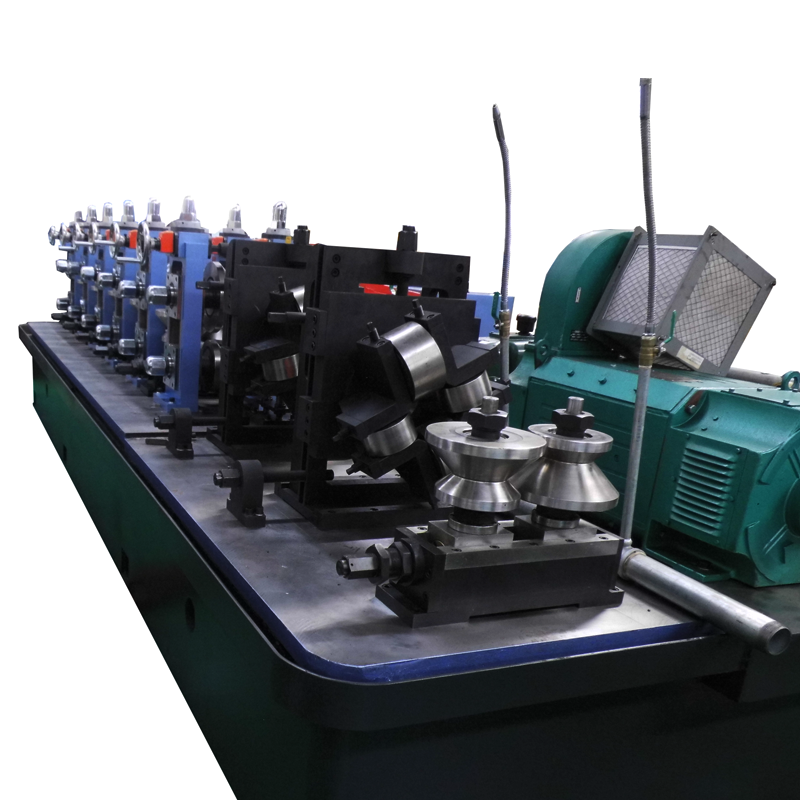
Lanskap industri telah menyaksikan kemajuan luar biasa dalam teknologi pembuatan paip, dengan pengimejan berfrekuensi tinggi muncul sebagai teras proses pengeluaran moden. Kilang paip berkelajuan tinggi (hf) mewakili penyelesaian pengeluaran yang canggih yang menggabungkan kejuruteraan tepat dengan keupayaan pengeluaran kelajuan tinggi. Sistem maju ini telah merevolusikan cara paip keluli dihasilkan di pelbagai industri, memberikan kualiti luar biasa sambil mengekalkan keberkesanan dari segi kos. Teknologi di sebalik sistem kilang paip berkelajuan tinggi (hf) membolehkan pengilang menghasilkan paip yang konsisten dan berkualiti tinggi untuk memenuhi piawaian dan spesifikasi industri yang ketat.
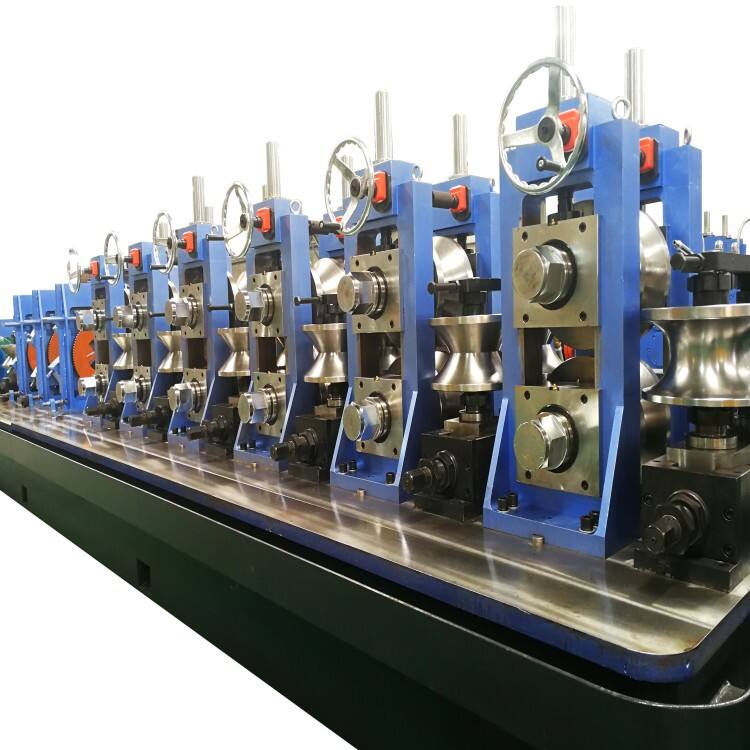
Memahami Teknologi Pengimejan Berfrekuensi Tinggi
Prinsip Asas Pengimejan Berfrekuensi Tinggi
Pengelasan frekuensi tinggi beroperasi berdasarkan prinsip aruhan elektromagnetik, menghasilkan haba yang intens melalui rintangan elektrik. Apabila jalur keluli melalui sistem kilang paip berkelas frekuensi tinggi (hf), arus elektrik frekuensi tinggi menghasilkan pemanasan tempatan di titik pengelasan. Proses ini berlaku pada frekuensi yang biasanya berada dalam julat 200 hingga 450 kHz, menghasilkan pemanasan pantas yang membolehkan pembentukan paip secara berterusan. Ketepatan teknologi ini menjamin kualiti kelasan yang konsisten sambil mengekalkan kelajuan pengeluaran yang tinggi—suatu ciri yang tidak dapat dicapai oleh kaedah pengelasan tradisional.
Medan elektromagnetik yang dihasilkan semasa proses pengelasan menghasilkan arus pusar dalam bahan keluli, mengakibatkan kawalan suhu yang tepat pada sambungan kimpalan. Pendekatan pemanasan terkawal ini meminimumkan zon yang terjejas oleh haba sambil memaksimumkan penembusan dan kekuatan kimpalan. Sistem kilang paip berkipas hf moden menggabungkan teknologi pemantauan lanjutan yang secara berterusan menjejaki parameter pengelasan, memastikan prestasi optimum sepanjang kitaran pengeluaran.
Kelebihan Berbanding Kaedah Penyambungan Tradisional
Berbanding dengan teknik pengelasan lengkung konvensional atau pengelasan gas, teknologi kilang paip berkipas hf menawarkan kelajuan dan ketepatan yang lebih unggul. Sifat berterusan pengelasan frekuensi tinggi menghilangkan kitaran mula-berhenti yang biasa dalam kaedah tradisional, menghasilkan integriti kimpalan tanpa sambungan sepanjang keseluruhan panjang paip. Proses berterusan ini secara ketara mengurangkan masa pengeluaran sambil mengekalkan piawaian kualiti kimpalan yang luar biasa, melebihi banyak keperluan industri.
Kecekapan tenaga mewakili satu lagi kelebihan penting sistem kilang paip kimpalan hf berbanding kaedah kimpalan alternatif. Mekanisme pemanasan terarah memusatkan tenaga secara tepat pada titik kimpalan, mengurangkan haba buangan dan menurunkan penggunaan kuasa secara keseluruhan. Kecekapan ini memberi hasil kepada kos operasi yang lebih rendah serta faedah dari segi alam sekitar, menjadikan sistem-sistem ini semakin menarik bagi pengilang yang berfokus kepada amalan pengeluaran mampan.
Aplikasi Industri dan Sektor Pasaran
Aplikasi Industri Minyak dan Gas
Sektor minyak dan gas merupakan salah satu pengguna terbesar paip yang dihasilkan oleh sistem kilang paip kimpalan hf. Paip-paip ini memainkan fungsi kritikal dalam penghantaran paip, rangkaian pengagihan, dan operasi pengeboran lepas pantai. Nisbah kekuatan-terhadap-berat yang unggul yang dicapai melalui kimpalan frekuensi tinggi menjadikan paip-paip ini ideal untuk aplikasi tekanan tinggi yang biasa dijumpai dalam sistem pengekstrakan dan pengangkutan petroleum.
Rintangan terhadap kakisan dan ketepatan dimensi adalah sangat penting dalam aplikasi minyak dan gas, di mana kegagalan paip boleh mengakibatkan kesan bencana dari segi persekitaran dan kewangan. Paip yang dikeluarkan menggunakan penyambung paip hf teknologi ini secara konsisten memenuhi spesifikasi API dan piawaian antarabangsa yang diperlukan untuk aplikasi mencabar ini. Kawalan tepat terhadap variasi ketebalan dinding dan diameter memastikan ciri-ciri aliran yang optimum serta keupayaan menahan tekanan.
Projek Pembinaan dan Infrastruktur
Projek pembinaan moden semakin bergantung pada paip keluli yang dihasilkan oleh sistem kilang paip kimpalan HF untuk kegunaan struktur, pengagihan air, dan sistem HVAC. Kualiti dan ketepatan dimensi paip ini yang konsisten memudahkan pemasangan serta memberikan prestasi jangka panjang yang unggul dalam infrastruktur bangunan. Arkitek dan jurutera lebih gemar menggunakan paip ini kerana sifat mekanikalnya yang boleh diramalkan serta kebolehlasakannya yang sangat baik dalam keadaan lapangan.
Projek pembangunan infrastruktur, termasuk jambatan, terowong, dan sistem pengangkutan, mendapat manfaat daripada integriti struktural yang disediakan oleh produk kilang paip kimpalan HF. Keupayaan menghasilkan paip berdiameter besar dengan variasi ketebalan dinding yang minimum membolehkan penggunaan bahan yang cekap tanpa mengorbankan kapasiti daya tahan beban yang diperlukan. Ciri-ciri ini menjadikan paip sedemikian sebagai komponen penting dalam reka bentuk dan metodologi pembinaan infrastruktur moden.
Spesifikasi Teknikal dan Piawaian Kualiti
Ketepatan Dimensi dan Toleransi
Pembuatan tepat melalui sistem kilang paip kimpalan HF mencapai toleransi dimensi yang melebihi kaedah pembuatan paip konvensional. Variasi ketebalan dinding biasanya kekal dalam julat ±0.1 mm di sepanjang keseluruhan panjang paip, manakala toleransi diameter mengekalkan tahap ketepatan yang serupa. Ketepatan luar biasa ini menghilangkan keperluan operasi pemesinan sekunder, seterusnya mengurangkan kos pengeluaran dan masa penghantaran kepada pengguna akhir.
Sistem pemantauan berterusan yang terintegrasi dalam peralatan kilang paip kimpalan hf moden memberikan maklum balas masa nyata mengenai parameter dimensi sepanjang proses pengeluaran. Sistem pengukuran laser lanjutan memantau variasi diameter, manakala tolok ketebalan ultrasonik memantau keseragaman dinding. Pendekatan kawalan kualiti yang komprehensif ini memastikan setiap paip memenuhi toleransi yang ditetapkan sebelum meninggalkan talian pengeluaran.
Sifat Bahan dan Ciri Kekuatan
Paip keluli yang dihasilkan menggunakan teknologi kilang paip kimpalan hf menunjukkan sifat mekanikal yang lebih unggul berbanding pilihan tanpa sambungan dalam banyak aplikasi. Kitaran pemanasan dan penyejukan yang dikawal semasa proses kimpalan menghasilkan struktur mikro berbutir halus yang meningkatkan kekuatan tegangan dan rintangan hentaman. Ciri-ciri bahan yang dipertingkatkan ini membolehkan penggunaan bahagian dinding yang lebih nipis sambil mengekalkan kadar tekanan dan kapasiti beban yang diperlukan.
Rintangan terhadap kelesuan mewakili satu lagi kelebihan penting paip yang dihasilkan oleh sistem kilang paip kimpalan HF. Sambungan kimpalan berterusan, apabila dilaksanakan dengan betul, mengagihkan tegasan secara lebih sekata berbanding sambungan kimpalan diskret yang terdapat dalam kaedah pengilangan paip lain. Ciri ini terbukti sangat bernilai dalam aplikasi yang tertakluk kepada beban berkitar atau variasi tekanan, seperti sistem hidraulik dan aplikasi penghantaran pneumatik.
Proses Pengeluaran dan Alur Kerja Pengilangan
Penyediaan dan Pengendalian Bahan Mentah
Proses pengeluaran dalam kilang paip kimpalan HF bermula dengan pemilihan dan penyediaan bahan gulung keluli secara teliti. Jalur keluli bergulung panas atau bergulung sejuk menjalani penyediaan permukaan untuk membuang karat, minyak, dan kontaminan lain yang boleh menjejaskan kualiti kimpalan. Kawalan komposisi kimia yang tepat memastikan bahan asas memiliki sifat-sifat yang diperlukan untuk operasi kimpalan frekuensi tinggi yang berjaya.
Sistem pengendalian bahan dalam kemudahan kilang paip berkelai HF mengekalkan kawalan kualiti yang ketat sepanjang fasa penyediaan. Sistem pemeriksaan automatik mengesahkan ketebalan, lebar dan keadaan permukaan bahan sebelum keluli memasuki bahagian pembentukan. Langkah jaminan kualiti awalan ini menghalang bahan mentah yang cacat daripada memasuki talian pengeluaran, seterusnya mengekalkan konsistensi kualiti hasil akhir dan meminimumkan penjanaan sisa.
Operasi Pembentukan dan Kelim
Bahagian pembentukan kilang paip berkelai HF membentuk secara beransur-ansur jalur keluli rata kepada keratan rentas bulat melalui siri rol pembentukan yang diletakkan secara tepat. Pendekatan pembentukan beransur-ansur ini meminimumkan tekanan bahan dan mengelakkan pengerasan akibat kerja yang boleh menjejaskan sifat paip akhir. Kelajuan pembentukan diselaraskan dengan operasi kelim untuk memastikan penyediaan tepi yang optimum di titik kelim.
Semasa fasa pengimpalan, tenaga elektrik berfrekuensi tinggi menghasilkan haba yang sangat tinggi yang diperlukan untuk pengimpalan lebur pada sambungan paip. Parameter pengimpalan—termasuk frekuensi, aras kuasa, dan kelajuan pengimpalan—memerlukan kawalan yang tepat untuk mencapai keteguhan dan kedalaman impalan yang konsisten. Sistem kilang paip berimpal hf moden menggabungkan algoritma kawalan adaptif yang secara automatik menyesuaikan parameter-parameter ini berdasarkan sifat bahan dan keperluan pengeluaran.
Keuntungan Ekonomi dan Analisis Kos
Kecekapan Pengeluaran dan Keluaran
Pelaburan dalam teknologi kilang paip berimpal hf memberikan manfaat ekonomi yang besar melalui peningkatan kecekapan pengeluaran dan pengurangan kos pembuatan. Sistem-sistem ini biasanya mampu mencapai kelajuan pengeluaran melebihi 100 meter per minit, jauh lebih pantas berbanding kaedah pembuatan paip alternatif lain. Keupayaan pengeluaran berterusan menghilangkan masa henti yang berkaitan dengan pemprosesan kelompok, memaksimumkan penggunaan peralatan serta produktiviti keseluruhan loji.
Keperluan buruh dalam operasi kilang paip kimpalan HF kekal minimum disebabkan oleh sifat proses pembuatan yang sangat berautomasi. Juruteknik mahir memantau prestasi sistem dan parameter kualiti, manakala operasi pembentukan dan kimpalan sebenar berjalan secara automatik. Automasi ini mengurangkan kos buruh sambil mengekalkan kualiti produk yang konsisten tanpa mengira variasi kemahiran operator atau pertukaran shift.
Penggunaan Bahan dan Pengurangan Sisa
Penggunaan bahan yang cekap merupakan kelebihan ekonomi utama sistem kilang paip kimpalan HF berbanding kaedah pembuatan alternatif lain. Pemprosesan berterusan mengelakkan kehilangan hujung yang biasa berlaku dalam kaedah pembuatan diskret, manakala kawalan dimensi yang tepat meminimumkan pembaziran bahan akibat produk di luar spesifikasi. Faktor-faktor ini menyumbang kepada kadar hasil bahan yang melebihi 98% dalam operasi yang dioptimumkan dengan baik.
Pengurangan sisaan melalui peningkatan sistem kawalan kualiti seterusnya meningkatkan kebolehlabaan operasi kilang paip kimpalan HF. Pemantauan masa nyata dan pelarasan parameter secara automatik menghalang penghasilan paip yang cacat, mengurangkan kos pembuangan sisa dan memaksimumkan nilai bahan mentah. Peningkatan kecekapan ini menjadi semakin penting seiring dengan ketidakstabilan harga keluli di pasaran global.
Prosedur Kawalan Kualiti dan Ujian
Sistem Pemeriksaan Secara Langsung
Pemasangan kilang paip kimpalan HF moden menggabungkan sistem kawalan kualiti yang komprehensif untuk memantau setiap aspek proses pengeluaran. Peralatan ujian ultrasonik secara berterusan menilai integriti kimpalan, mengesan sebarang ketidaksempurnaan atau ketiadaan pelakuran secara masa nyata. Maklum balas segera ini membolehkan operator membuat pelarasan yang diperlukan sebelum produk cacat dihasilkan, mengekalkan piawaian kualiti yang konsisten sepanjang jadual pengeluaran.
Sistem pemeriksaan dimensi menggunakan teknologi laser dan peranti pengukuran tepat untuk mengesahkan geometri paip dan keseragaman ketebalan dinding. Sistem-sistem ini beroperasi pada kelajuan pengeluaran, memberikan liputan pemeriksaan 100% tanpa memperlahankan proses pembuatan. Perisian kawalan proses statistik menganalisis data pengukuran untuk mengenal pasti corak dan mencegah penyimpangan kualiti sebelum ia berlaku.
Piawaian dan Kepatuhan Sijil
Paip yang dihasilkan oleh sistem kilang paip kimpalan HF mesti memenuhi pelbagai piawaian dan spesifikasi antarabangsa bergantung kepada aplikasi yang dimaksudkannya. Piawaian API, ASTM, EN, dan JIS menetapkan keperluan terhadap komposisi kimia, sifat mekanikal, dan toleransi dimensi yang mesti dicapai oleh pengilang. Pematuhan terhadap piawaian ini memerlukan ujian dan dokumentasi yang ketat sepanjang proses pengeluaran.
Badan pensijilan pihak ketiga secara berkala mengaudit kemudahan kilang paip kimpalan HF untuk mengesahkan pematuhan terhadap sistem pengurusan kualiti dan spesifikasi produk. Audit- audit ini memastikan bahawa pengilang mengekalkan prosedur dan penyesuaian kalibrasi peralatan yang diperlukan bagi menghasilkan paip yang konsisten mengikut keperluan pelanggan dan piawaian industri. Penyelenggaraan pensijilan memerlukan pelaburan berterusan dalam sistem kualiti dan latihan kakitangan.
Trend masa depan dan perkembangan teknologi
Penjadualan Automasi dan Integrasi Industry 4.0
Perkembangan teknologi kilang paip kimpalan HF terus bergerak ke arah automasi dan integrasi digital yang lebih tinggi. Konsep Industri 4.0, termasuk sambungan Internet of Things (IoT) dan kecerdasan buatan, sedang diintegrasikan ke dalam sistem generasi seterusnya. Kemajuan-kemajuan ini membolehkan penyelenggaraan berjadual secara prediktif, mengoptimumkan parameter pengeluaran secara automatik, serta menyediakan kemampuan analitik data yang ditingkatkan untuk inisiatif penambahbaikan berterusan.
Algoritma pembelajaran mesin menganalisis data pengeluaran sejarah untuk mengenal pasti parameter operasi optimum bagi pelbagai gred bahan dan spesifikasi paip. Pendekatan pintar terhadap kawalan proses ini mengurangkan masa persediaan, meminimumkan sisa, dan meningkatkan keberkesanan keseluruhan peralatan. Kemampuan pemantauan jarak jauh membolehkan pengilang mengoptimumkan beberapa instalasi kilang paip berkelajuan tinggi (hf) dari pusat kawalan terpusat.
Kemudi Kelestarian Alam Sekitar
Pertimbangan alam sekitar semakin mempengaruhi rekabentuk dan operasi kilang paip berkelajuan tinggi (hf). Sistem pemulihan tenaga menangkap haba buangan daripada proses kimpalan untuk digunakan dalam operasi kilang lain, seterusnya mengurangkan penggunaan tenaga secara keseluruhan. Sistem kawalan pelepasan lanjutan meminimumkan kesan terhadap alam sekitar tanpa menjejaskan kecekapan pengeluaran dan piawaian kualiti produk.
Amalan pengilangan yang mampan dalam operasi kilang paip kimpalan HF termasuk sistem daur semula air, pengurangan penggunaan bahan kimia, dan peningkatan keupayaan daur semula bahan. Inisiatif-inisiatif ini selaras dengan matlamat kelestarian korporat sambil sering memberikan faedah ekonomi melalui pengurangan kos utiliti dan perbelanjaan pelupusan sisa. Perkembangan masa depan kemungkinan besar akan menekankan pengurangan jejak karbon dan prinsip ekonomi bulat dalam proses pengilangan paip.
Soalan Lazim
Apakah kelebihan utama menggunakan kilang paip kimpalan HF berbanding pengeluaran paip tanpa seam?
Kilang paip berkeluli kimpalan HF menawarkan beberapa kelebihan utama berbanding pengeluaran paip tanpa sambungan, termasuk kelajuan pengeluaran yang jauh lebih cepat, penggunaan tenaga yang lebih rendah, dan pembaziran bahan yang dikurangkan. Proses kimpalan berterusan membolehkan kadar pengeluaran melebihi 100 meter per minit, manakala kaedah tanpa sambungan memerlukan operasi pemanasan dan penusukan yang lebih perlahan. Selain itu, sistem kilang paip berkeluli kimpalan HF mampu menghasilkan paip dengan dinding yang lebih nipis dan toleransi dimensi yang lebih ketat, menghasilkan penjimatan bahan serta ciri prestasi yang ditingkatkan untuk banyak aplikasi.
Bagaimanakah kualiti paip daripada kilang paip berkeluli kimpalan HF dibandingkan dengan kaedah pengeluaran lain
Pip yang dihasilkan oleh sistem kilang pipa kimpalan hf secara konsisten memenuhi atau melebihi piawaian kualiti yang ditetapkan untuk pelbagai aplikasi industri. Proses kimpalan frekuensi tinggi menghasilkan sambungan kimpalan yang kuat dan berterusan dengan zon terjejas haba yang minimum, menghasilkan sifat mekanikal yang seragam sepanjang keseluruhan panjang pipa. Sistem kawalan kualiti moden memastikan ketepatan dimensi dalam had toleransi yang ketat, manakala prosedur pemeriksaan automatik mengesahkan integriti kimpalan dan mengesan sebarang cacat sebelum produk meninggalkan laluan pengeluaran.
Apakah keperluan penyelenggaraan yang berkaitan dengan peralatan kilang pipa kimpalan hf
Keperluan penyelenggaraan untuk sistem kilang paip berkeluli hf termasuk pemeriksaan dan penyesuaian berkala terhadap peralatan kimpalan, penggantian rol pembentuk dan panduan berdasarkan corak haus, serta pembaikan berkala terhadap bekalan kuasa frekuensi tinggi. Jadual penyelenggaraan pencegahan biasanya melibatkan pemeriksaan harian terhadap parameter kritikal, pelinciran mingguan komponen mekanikal, dan penyesuaian bulanan sistem pengukuran. Amalan penyelenggaraan yang betul memastikan kualiti produk yang konsisten, meminimumkan masa henti tidak dirancang, dan memperpanjang secara ketara jangka hayat peralatan.
Bolehkah kilang paip berkeluli hf menghasilkan saiz paip dan ketebalan dinding yang berbeza secara cekap?
Sistem kilang paip berkelipan hf moden direka untuk pengeluaran yang fleksibel bagi pelbagai saiz paip dan ketebalan dinding melalui keupayaan penukaran pantas. Rol pembentuk yang boleh laras dan parameter kimpalan membolehkan pengilang beralih antara spesifikasi berbeza dengan masa henti minimum, biasanya memerlukan 30–60 minit untuk penukaran lengkap. Kelenturan ini membolehkan pengeluaran yang cekap bagi spesifikasi paip piawai dan tersuai, menjadikan teknologi kilang paip berkelipan hf sesuai untuk keperluan pasaran yang pelbagai serta tuntutan pelanggan.
Jadual Kandungan
- Memahami Teknologi Pengimejan Berfrekuensi Tinggi
- Aplikasi Industri dan Sektor Pasaran
- Spesifikasi Teknikal dan Piawaian Kualiti
- Proses Pengeluaran dan Alur Kerja Pengilangan
- Keuntungan Ekonomi dan Analisis Kos
- Prosedur Kawalan Kualiti dan Ujian
- Trend masa depan dan perkembangan teknologi
-
Soalan Lazim
- Apakah kelebihan utama menggunakan kilang paip kimpalan HF berbanding pengeluaran paip tanpa seam?
- Bagaimanakah kualiti paip daripada kilang paip berkeluli kimpalan HF dibandingkan dengan kaedah pengeluaran lain
- Apakah keperluan penyelenggaraan yang berkaitan dengan peralatan kilang pipa kimpalan hf
- Bolehkah kilang paip berkeluli hf menghasilkan saiz paip dan ketebalan dinding yang berbeza secara cekap?