
 EN
EN
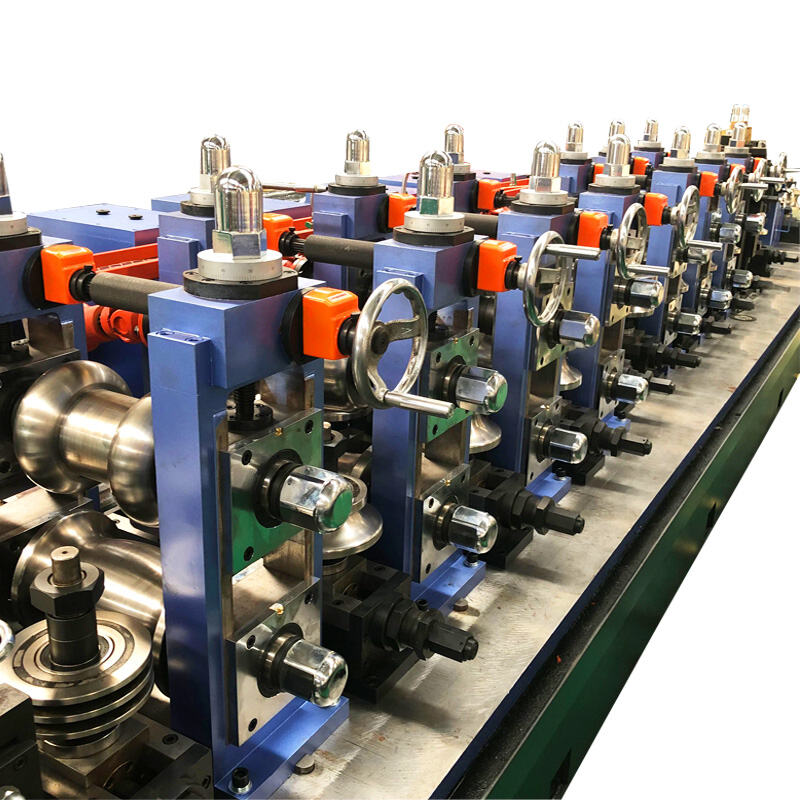
ခေတ်မှီ စက်မှုထုတ်လုပ်ရေးလုပ်ငန်းများသည် ထုတ်လုပ်မှုဖြေရှင်းနည်းများကို ထိရောက်မှုရှိပြီး ယုံကြည်စိတ်ချရမှုရှိရန် လိုအပ်ပါသည်။ အထူးသဖြင့် တိကျမှုနှင့် အမြန်နှုန်းသည် အလွန်အရေးကြီးသည့် သံပိုက်လုပ်ငန်းတွင် ဖြစ်ပါသည်။ မြင့်မားသောကြိမ်နှုန်းဖြင့် ပေါင်းစည်းထုတ်လုပ်သည့် သံပိုက်စက်ရုံသည် စက်မှုလုပ်ငန်းအသုံးပျော်များတွင် သံပိုက်များကို ထုတ်လုပ်ရေးနည်းလမ်းကို အဆင့်မြင့်နည်းပညာဖြင့် ပြောင်းလဲပေးသည့် နည်းပညာဆိုင်ရာ တိုးတက်မှုတစ်ရပ်ဖြစ်ပါသည်။ ဤအဆင့်မြင့်ပူးပေါင်းထုတ်လုပ်မှုစက်ကို ခေတ်မှီအင်ဂျင်နီယာနည်းပညာများနှင့် စမ်းသပ်စွေ့မောက်ထားသည့် ထုတ်လုပ်မှုနည်းလမ်းများဖြင့် ပေါင်းစပ်ထုတ်လုပ်ထားပါသည်။ ထို့ကြောင့် စက်မှုလုပ်ငန်းများ၏ အထွက်နှုန်းအများဆုံး လိုအပ်ချက်များကို ဖော်ထုတ်ပေးနိုင်သည့် အရည်အသွေးမြင့်မားပြီး စံချိန်စံညွှန်းများကို အမြဲတမ်း ဖော်ထုတ်ပေးနိုင်သည့် သံပိုက်များကို ထုတ်လုပ်ပေးနိုင်ပါသည်။ မြင့်မားသောကြိမ်နှုန်းဖြင့် ပေါင်းစည်းထုတ်လုပ်မှုနည်းလမ်းကို စက်မှုလုပ်ငန်းတွင် ပေါင်းစည်းထုတ်လုပ်မှုနည်းလမ်းများတွင် ပေါင်းစပ်အသုံးပြုခြင်းဖြင့် ထုတ်လုပ်မှုနှုန်းများကို အထွက်နှုန်းမြင့်မားစေရန် အထောက်အကူပေးပါသည်။ ထို့အတူ စက်မှုလုပ်ငန်းများ၏ စံချိန်စံညွှန်းများကို ကျော်လွန်သည့် အရည်အသွေးမြင့်မားသည့် ထုတ်ကုန်များကို ထုတ်လုပ်ပေးနိုင်ပါသည်။
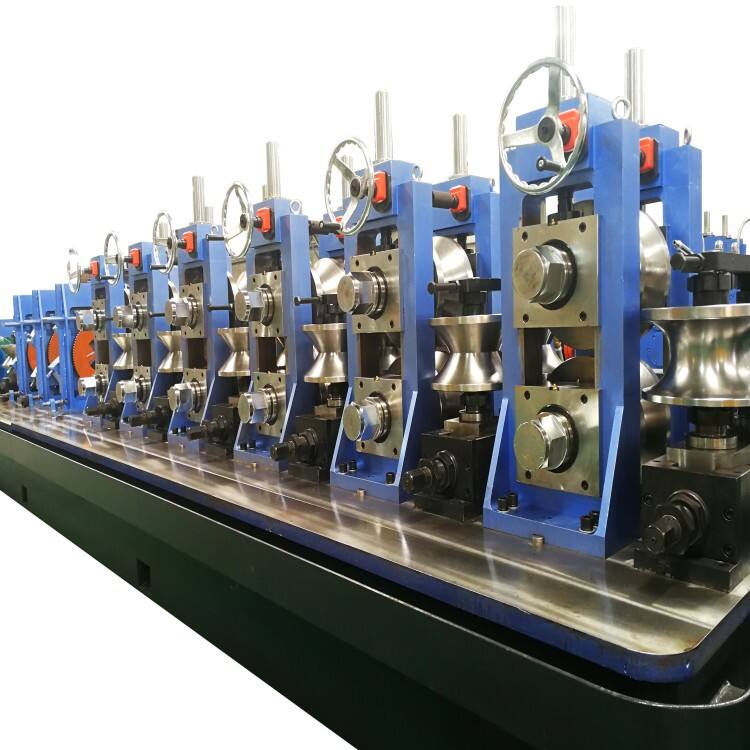
မြင့်မားသောကြိမ်နှုန်းဖြင့် ပေါင်းစည်းထုတ်လုပ်သည့် သံပိုက်များ ထုတ်လုပ်မှုနည်းလမ်း၏ အဆင့်မြင့်နည်းပညာ
မြင့်မားသောကြိမ်နှုန်းဖြင့် ပေါင်းစည်းထုတ်လုပ်မှုနည်းလမ်း၏ အခြေခံများ
ခေတ်မီ hf ပိုက်လုပ်ငန်းစဉ်တွင် အသုံးပြုသည့် အမြင့်မှန်းနှုန်း အပူပေးခြင်းဖြစ်စဉ်သည် လျှပ်ကွဲမှုဖော်ပေးခြင်းမှတဆင့် ပူပွန်းမှုကို ဖော်ပေးသည့် ရှုပ်ထွေးသည့် လျှပ်စစ်သံလိုက်ဖော်ပေးမှု အခြေခံချက်များပေါ်တွင် အလုပ်လုပ်ပါသည်။ ဤခေတ်မီနည်းပညာသည် သံမှုန်ပါးပါးများကို ပိုက်ပုံစံသို့ ပုံသေးခြင်းအချိန်တွင် ၎င်းတို့၏ အစွန်းများသို့ အမြင့်မှန်းနှုန်း လျှပ်စစ်စီးကောင်းများကို အသုံးပြု၍ အမြဲတမ်း ပေါင်းစည်းမှုအစွန်းကို ဖန်တီးပေးပါသည်။ ဤဖော်ပေးမှုသည် မိလီစက္ကန်ဒ်အနက် စင်တီဂရီအပူချိန် ၁၀၀၀ ဒီဂရီထက်ပိုမိုမြင့်မားသည့် အပူချိန်များကို ဖန်တီးပေးပြီး သံမှုန်အစွန်းများကို ပြည့်ဝစွာ ပေါင်းစည်းပေးနိုင်ပါသည်။ ထို့ပြင် ပစ္စည်း၏ ဖွဲ့စည်းမှုအား ထိခိုက်စေခြင်းမရှိစေရန် အထူးသဖြင့် အပူချိန်ထိန်းညှိမှုကို တိကျစွာ လုပ်ဆောင်ပေးပါသည်။ ဤတိကျသည့် အပူချိန်ထိန်းညှိမှုသည် အပူပေးခြင်းအတွက် အပိုပါးစပ်များ မလိုအပ်တော့သည့်အထိ ဖန်တီးပေးပါသည်။ ထို့ကြောင့် အခြေခံပစ္စည်း၏ ဂုဏ်သတ္တိများနှင့် ကိုက်ညီသည့် သန့်ရှင်းပြီး ခိုင်မာသည့် ပေါင်းစည်းမှုအစွန်းများကို ရရှိစေပါသည်။
Hf ဖြင့်အရေးပါသော ပိုက်မှုန်းစက်တွင် အသုံးပြုသည့် လျှပ်စစ်သံလိုက် အိုင်န်ဒပ်ရှင် အပူပေးစနစ်သည် ပိုက်၏ အချင်းနှင့် နံရံထူမှု လိုအပ်ချက်များပေါ်မူတည်၍ အများအားဖြင့် ၂၀၀ မှ ၄၅၀ kHz အထိ ကြိမ်နှန်းများကို အသုံးပြုပါသည်။ ဤအမြင့်မှုန်း စွမ်းအင်သည် သံမှုန်၏ မျက်နှာပုံသားအလွှာသာ ထိရောက်ပြီး ပိုက်၏ ကိုယ်ထည်တစ်ခုလုံးတွင် အပူကြောင့် ပုံပေါ်မှု ပုံစံပြောင်းလဲမှုကို အနည်းဆုံးဖြစ်စေရန် နေရာကို ကန့်သတ်ထားပါသည်။ အလျင်မြန်စွာ အပူပေးခြင်းနှင့် အအေးခံခြင်း စက်ဝန်းသည် သံမှုန်၏ အစေးအနှောက်ဖွဲ့စည်းမှုကို ထိန်းသိမ်းပေးပြီး ကောင်းမွန်သော ယန္တရားဆိုင်ရာ ဂုဏ်သတ္တိများကို ထိန်းသိမ်းပေးသည့်အတွက် အားကောင်းမှုနှင့် တည်ငြိမ်မှု နှစ်များစွာတွင် ရောင်းရှေးနည်းလမ်းများထက် ပိုမိုကောင်းမွန်သော ချိတ်ဆက်မှုအရည်အသွေးကို ရရှိစေပါသည်။
တိကျသောထိန်းချုပ်မှုစနစ်များနှင့် အလိုအလျောက်စနစ်
ခေတ်မီ hf ပေါင်းစည်းထားသော ပိုက်စက်စနစ်များတွင် ထုတ်လုပ်မှုလုပ်ငန်းစဉ်၏ အားလုံးသော အဆင့်များကို အချိန်နှင့်တစ်ပါတ်တည်း စောင်းကြည့်ခြင်းနှင့် ညှိပေးခြင်းကို လုပ်ဆောင်သည့် ရှုပ်ထွေးသော ကွန်ပျူတာထိန်းချုပ်မှုစနစ်များ ပါဝင်ပါသည်။ ဤတိကျသော ထိန်းချုပ်မှုစနစ်များသည် စောင်းကြည့်မှုအာရှင်းများနှင့် ပြန်လည်ပေးအပ်မှု ခုံးများကို အသုံးပြု၍ ထုတ်လုပ်မှုဖြစ်စဉ်တစ်လုံးလုံးတွင် ပေါင်းစည်းမှု အာရှင်းများကို တိကျစွာ ထိန်းသိမ်းပေးပါသည်။ ဤအာရှင်းများတွင် စွမ်းအင်ထုတ်လုပ်မှု၊ ပေါင်းစည်းမှုအမြန်နှုန်းနှင့် ဖိအားသုံးစွဲမှု စသည်တို့ ပါဝင်ပါသည်။ ပရိုဂရမ်ရေးသားနိုင်သော ယေဘုယျထိန်းချုပ်မှုစနစ်များ (PLC) ကို ပေါင်းစပ်အသုံးပြုခြင်းဖြင့် အများစုသော ပိုက်အမျိုးအစားများတွင် အရည်အသွေး တူညီမှုကို အာမခံပေးပါသည်။ ထို့အပ besides ထုတ်လုပ်မှုထိရောက်မှုကို မထိခိုက်စေဘဲ ပိုက်အရွယ်အစားများနှင့် နံရံအထူများကို အများအားဖြင့် မှန်ကန်စွာ အလွ easily အလွယ်တက် ပြောင်းလဲနိုင်ပါသည်။
ခေတ်မှီ hf အရိုးစို့ချွတ်စက်မှုပိုင်းဆိုင်ရာ ပိုက်လိုင်းစက်မှုပစ္စည်းများ၏ အလိုအလျောက်လုပ်ဆောင်နိုင်မှုများသည် အခြေခံပါရာမီတာထိန်းချုပ်မှုကို အလွန်သွား၍ ကြိုတင်ပြုပြင်ထိန်းသိမ်းရေးစနစ်များနှင့် အရည်အသွေးအာမခံရေး စောင်းကြည့်မှုစနစ်များအထိ ပါဝင်ပါသည်။ အဆင့်မြင့် ရောဂါရှာဖွေရေးစနစ်များသည် အိုင်ဗီဒီယိုအဆက်စပ်မှုစနစ်များကို အဆက်မပါဘဲ ဆေးစစ်ဆေးမှုပေးပါသည်။ ထိုစနစ်များသည် ထုတ်ကုန်အရည်အသွေး (သို့) ထုတ်လုပ်မှုစွမ်းဆောင်ရည်ကို ထိခိုက်စေနိုင်သည့် ပြဿနာများကို ကြိုတင်ဖမ်းမိပေးပါသည်။ ထိုသို့သော ကြိုတင်ကာကွယ်ရေးအချဉ်းကပ်မှုသည် စက်ပစ္စည်းများ၏ အလုပ်မလုပ်နေသည့်အချိန်ကို သိသိသာသာလျော့နည်းစေပါသည်။ ထို့အတူ သံပိုက်ထုတ်လုပ်မှုလုပ်ငန်းများအတွက် လုပ်ထုတ်လုပ်ငန်းစံနှုန်းများကို အနည်းဆုံး အတိအကျဖော်ထုတ်ပေးပါသည်။
ထုတ်လုပ်မှုစွမ်းဆောင်ရည်နှင့် စီးပွားရေးအကျိုးကျေးနှုံးများ
အလွန်မြင်းဆွဲသော ထုတ်လုပ်ရေးစွမ်းအား
နောက်ဆုံးပေါ် hf အပူဖောင်းချွတ်စက်မှ ထုတ်လုပ်သည့် ပိုက်များသည် ရှေးရိုးစွဲ ပိုက်ထုတ်လုပ်မှုနည်းလမ်းများကို သိသိသာသာ ကျော်လွန်သည့် ထုတ်လုပ်မှုအမြန်နှုန်းများကို ရရှိပါသည်။ ခေတ်မီစနစ်များဖြင့် ပိုက်၏ အသွေးအသားအလိုက် မှုန်းခြေအားဖြင့် မိနစ်လျှင် မီတာ ၂၀၀ ကျော်အထိ ထုတ်လုပ်နိုင်ပါသည်။ ဤထူးခွဲ့သည့် အမြန်နှုန်းအက advantage သည် အမြင့်မှုန်းနှုန်း အပူဖောင်းချွတ်ခြင်းလုပ်ငန်းစဉ်၏ အဆက်မပြတ်ဖြစ်မှုမှ ရရှိပါသည်။ ထိုလုပ်ငန်းစဉ်သည် ရိုးရိုးအပူဖောင်းချွတ်ခြင်းနည်းလမ်းများတွင် ဖြစ်ပေါ်လေ့ရှိသည့် စတင်ခြင်းနှင့် ရပ်ခြင်း စက်ဝိုင်းများကို ဖယ်ရှားပေးပါသည်။ ပုံသေးခြင်းနှင့် အပူဖောင်းချွတ်ခြင်းလုပ်ငန်းများကို အဆက်မပြတ် ပေါင်းစပ်ထည့်သွင်းခြင်းဖြင့် ထုတ်လုပ်သူများသည် ပိုက်တစ်ခုလုံး၏ အလျားတစ်လျှောက် တိကျသည့် အရွယ်အစားထိန်းညှိမှုကို ထိန်းသိမ်းရင်း အဆက်မပြတ် ထုတ်လုပ်မှုစီးဆင်းမှုကို ရရှိနိုင်ပါသည်။
Hf ဖောင်းပေါက်ခြင်းဖြင့် ပိုက်များကို ထုတ်လုပ်သည့် စက်ရုံ၏ ထုတ်လုပ်မှုနှုန်းမြန်မြန်မြန်ရှိခြင်းသည် ပြိုင်ဆိုင်မှုများသော ဈေးကွက်များတွင် လုပုပ်ငန်းများအတွက် စီးပွားရေးအရ အကျိုးကျေးဇူးများကို တိုက်ရိုက်ဖော်ပေးပါသည်။ ထုတ်လုပ်မှုနှုန်းမြင့်မြင့်ရှိခြင်းကြောင့် ထုတ်လုပ်သူများသည် အရီးအသဲကြီးသော အမှာစာများကို ပိုမိုမြန်ဆန်စွာ ဖော်ထုတ်နိုင်ပါသည်။ ထို့အပါအဝင် စက်ပစ္စည်းများကို ပိုမိုကောင်းမွန်စွာ အသုံးပြုခြင်းဖြင့် တစ်ခုလျှင် ထုတ်လုပ်မှုစုစုပေါင်းစရိတ်ကို လျှော့ချနိုင်ပါသည်။ ဤထုတ်လုပ်မှုအရည်အသွေးမြင့်မြင့်ရှိခြင်းသည် အဆောက်အဦး၊ အော်တိုမော်ဘိုင်းနှင့် အခြေခံအဆောက်အဦးများအတွက် စံသတ်မှတ်ထားသော ပိုက်အရွယ်အစားများကို ထုတ်လုပ်ရာတွင် အထူးအရေးပါလာပါသည်။ အဘယ်ကြောင့်ဆိုသော် ထုတ်လုပ်မှုပမာဏများသည် အလွန်များပြားပြီး ပရောဂျက်အောင်မှုအတွက် ပိုက်များ ပေးပို့ရမည့် အချိန်ကာလများသည် အလွန်အရေးကြီးသောကြောင့်ဖြစ်သည်။
စုစုပေါင်းစရိတ်သက်သာသော ထုတ်လုပ်မှုလုပ်ငန်းများ
HF ပူးစည်းခြင်းဖြင့် ပိုက်မှုန်းထုတ်လုပ်ရေးစက်ရုံကို လုပ်ဆောင်ခြင်းသည် အခြားသော ပိုက်ထုတ်လုပ်မှုနည်းလမ်းများနှင့် နှိုင်းယှဉ်လျှင် ပိုမိုမီးသော စုစုပေါင်းစရိတ်အကျိုးကျေးဇူးများကို ပေးစေပါသည်။ အထူးသဖြင့် ပစ္စည်းစုစုပေါင်းအကုန်အကျနှင့် စွမ်းအင်သုံးစွဲမှုကို လျော့နည်းစေခြင်းဖြင့် ဖော်ပြနိုင်ပါသည်။ အတိအကျရှိသော ပုံသောင်းခြင်းနှင့် ပူးစည်းခြင်းလုပ်ငန်းစဉ်များသည် စွန်းထောင်ပစ္စည်းများ ထုတ်လုပ်မှုကို အနည်းဆုံးအထိ လျော့နည်းစေပါသည်။ ထို့အတူ HF ပူးစည်းခြင်းနည်းလမ်းသည် ရှေးဟောင်း Arc ပူးစည်းခြင်းနည်းလမ်းများနှင့် နှိုင်းယှဉ်လျှင် စွမ်းအင်အသုံးပြုမှုကို သိသိသာသာ လျော့နည်းစေပါသည်။ ထို့အပ além လျှင် လျှပ်ကူးမှုမှုန်းများ (electrodes) နှင့် ပူးစည်းခြင်းဓာတုပစ္စည်းများ (flux compounds) ကဲ့သို့သော ပုံမှန်အသုံးပြုသော ပူးစည်းခြင်းပစ္စည်းများကို ဖျက်သိမ်းခြင်းဖြင့် လုပ်ငန်းဆောင်ရွက်မှုစရိတ်များကို ထိရောက်စွာ လျော့နည်းစေပါသည်။ ထို့အပ်လျှင် စတော်ခ်စီမံခန့်ခွဲမှုနှင့် ထုတ်လုပ်မှုအစီအစဥ်ချမှုများကို ရှင်းလင်းစေပါသည်။
Hf ပေါင်းစည်းမှုပြုလုပ်သည့် ပိုက်ထုတ်လုပ်ရေးစက်ရုံများ၏ စီးပွားရေးအကျိုးကျေးနဲ့များသည် အလုပ်သမားလိုအပ်ချက်များ လျော့နည်းခြင်းနှင့် အရည်အသွေးထိန်းချုပ်မှုလုပ်ထုပ်များ ရိုးရှင်းလာခြင်းတို့အထိ ပါဝင်ပါသည်။ အလိုအလျောက်ထုတ်လုပ်မှုလုပ်ငန်းစဉ်များသည် ကျွမ်းကျင်သည့် စက်မှုလုပ်သမားအရေအတွက်ကို လျော့နည်းစေပြီး အတွင်းပါ အရည်အသွေးစောင်းကြည့်မှုစနစ်များသည် ထုတ်လုပ်မှုပြီးနောက် အသေးစိတ်စစ်ဆေးမှုလုပ်ထုပ်များကို လျော့နည်းစေပါသည်။ ဤလုပ်ငန်းဆောင်ရွက်မှုများ၏ ထိရောက်မှုများသည် ထုတ်လုပ်သူများအား အရင်းအမြစ်များကို ပိုမိုထိရောက်စွာ ခွဲဝေနောက်ခံပေးနိုင်စေပြီး စက်မှုလုပ်ငန်းအသွားအလာများတွင် ဖောက်သည်များ၏ တင်းကြပ်သည့် အရည်အသွေးအချက်များကို အမြဲတမ်း ဖောက်ပြန်မှုမရှိစေဘဲ ထိန်းသိမ်းပေးနိုင်ပါသည်။
အရည်အသွေးထိန်းချုပ်မှုနှင့် ထုတ်ကုန်အသေးစိတ်ဖော်ပြချက်များ
အထူးသဖြင့် ဆိုင်ရာ လုပ်ငန်းမှာယူမှုနှင့် တူညီမှု
၎င်း hf ဆည်ထိပ်တွင်ခြင်းကိရိယာ အထူးသဖြင့် စံချိန်စံညွှန်းအတိုင်း မှန်ကန်ပြီး အားကောင်းသော ချောက်မှုန်းမှုများကို ထုတ်လုပ်ပေးပါသည်။ ထိုသို့သော ချောက်မှုန်းမှုများသည် အများအားဖြင့် အခြေခံပစ္စည်း၏ ယန္တရားဆိုင်ရာ ဂုဏ်သတ္တိများကို ကျော်လွန်တတ်ပါသည်။ အမြင့်မှန်ကန်သော လျှပ်ကူးမှုဖြင့် ချောက်မှုန်းခြင်းလုပ်ငန်းစဉ်သည် သံမှုန်း၏ မူလ အဏုဇီဝဖွဲ့စည်းပုံကို ထိန်းသိမ်းပေးသည့်အတွက် အပူသက်ရောက်မှုရှိသော အက်ဒီယာကို ကျဥ်းမှုန်းစေပါသည်။ ထို့အပြင် ချောက်မှုန်းမှုလုပ်ငန်းစဉ်တွင် အပူအားဖြင့် ပြည့်စုံသော ပေါင်းစည်းမှုကို ရရှိစေပါသည်။ ချောက်မှုန်းမှုလုပ်ငန်းစဉ်ကို တိကျစွာ ထိန်းချုပ်နိုင်ခြင်းကြောင့် ချောက်မှုန်းမှု၏ နက်ရှိုင်းမှုသည် တစ်ပေါက်လုံးတွင် တူညီပါသည်။ ထို့အပြင် ပိုက်၏ အလျားတစ်လုံးလုံးတွင် ယန္တရားဆိုင်ရာ ဂုဏ်သတ္တိများသည် တူညီမှုရှိပါသည်။ ထို့ကြောင့် လုပ်ဆောင်မှုအတွက် စိတ်ချရသော စွမ်းဆောင်ရည်ကို အာမခံပေးပါသည်။
ခေတ်မှီ hf အရိုးများကို အဆက်မပါဘဲ ချိတ်ဆက်သည့် စက်မှုလုပ်ငန်းစက်ပစ္စည်းများတွင် အရည်အသွေးအာမခံရေးစနစ်များကို ထည့်သွင်းထားပြီး ထုတ်လုပ်မှုဖြစ်စဉ်တစ်လျှောက် အရိုးချိတ်ဆက်မှုဆိုင်ရာ ပါရာမီတာများနှင့် အရိုးများ၏ အရွယ်အစားများကို အဆက်မပါဘဲ စောင်းကြည့်နေပါသည်။ အဆင့်မြင့် အသံလွန်မှုန်အားဖြင့် စမ်းသပ်သည့် စနစ်များဖြင့် အချိန်နှင့်တစ်ပါကုန် အလွန်သေးငယ်သည့် အကွက်အကွက်များကို ရှာဖွေတွေ့ရှိနိုင်ပါသည်။ ထို့ကြောင့် အရည်အသွေးအကောင်းဆုံး စံနှုန်းများကို ထိန်းသိမ်းရန် ချက်ချင်း လုပ်ငန်းစဉ်ပြောင်းလဲမှုများ ပြုလုပ်နိုင်ပါသည်။ ဤကုန်ပစ္စည်းအရည်အသွေး ထိန်းချုပ်မှုအပြည့်အဝ လုပ်ဆောင်မှုသည် ထုတ်လုပ်မှုလိုင်းမှ ထွက်ခွာရန် အလုပ်လုပ်မှုမှီသည့် အရိုးတစ်ခုချင်းစီသည် သတ်မှတ်ထားသည့် အရွယ်အစား အတိမ်အနက်များနှင့် ယန္တရားဆိုင်ရာ ဂုဏ်သတ္တိများကို အပ်နေပါသည်။
အရွယ်အစား တိကျမှုနှင့် မျက်နှာပုံအဆုံးသတ်မှု
တိကျမှုမြင့်မားသော hf အပူချို့စွဲချိတ်ဆက်ထားသော ပိုက်ထုတ်လုပ်ရေးစက်ရုံသည် ပိုက်အားလုံး၏ အတိုင်းအတာဆိုင်ရာ တိကျမှုကို အထူးသဖြင့် အောင်မြင်စွာ ရရှိစေပါသည်။ ခေတ်မှီစနစ်များဖြင့် ပိုက်၏ အပြင်ဘက်အချင်း (OD) နှင့် နံရံအထူ (wall thickness) တို့တွင် ±0.1mm အတွင်း အတိုင်းအတာအမှားအမှားကို ထိန်းသိမ်းနိုင်ပါသည်။ ဤတိကျမှုသည် သံခွက်ပြားကို ပိုက်ပုံစံသို့ တဖြည်းဖြည်း ပုံဖော်ပေးသည့် ထိန်းချုပ်ထားသော ပုံသေးခြင်းလုပ်ငန်းစဉ်မှ အစပျော်ပါသည်။ ထိုလုပ်ငန်းစဉ်တွင် ပစ္စည်း၏ စီးဆင်းမှုနှင့် ဖိအားဖ distributed ဖြစ်မှုတို့ကို တည်ငြိမ်စွာ ထိန်းသိမ်းပေးပါသည်။ ထို့ကြောင့် နံရံအထူသည် တစ်ပါးတည်းဖြစ်ပြီး အပြင်ဘက်အချင်းသည် တိကျမှုရှိသော ပိုက်များကို ရရှိစေပါသည်။ ထိုပိုက်များသည် အသုံးပျော်မှုအတွက် အများဆုံး လိုအပ်ချက်များကို ဖော်ထုတ်နိုင်ပါသည်။ ထို့အပြင် အပိုမှုအလုပ်များ (additional machining operations) မလိုအပ်ပါသည်။
Hf ပေါင်းစည်းမှုဖြင့် ထုတ်လုပ်သည့် ပိုက်များ၏ မျက်နှာပုံအရည်အသွေးသည် ရိုးရာထုတ်လုပ်မှုနည်းလမ်းများထက် သာလွန်ပါသည်။ ထိုသို့သော ပိုက်များသည် မျက်နှာပုံချောမျောပြီး တစ်သေးတစ်ဖြေးရှိသော မျက်နှာပုံများကို ထုတ်လုပ်ပေးနိုင်ပါသည်။ ထို့ကြောင့် အသုံးများသည့် အက်ပလီကေးရှင်းများအတွက် နောက်ဆုံးပိုင်းအဆင့်များ (post-processing) ကို အနည်းငယ်သာ လုပ်ရန် လိုအပ်ပါသည်။ ဆက်လက်ဖွဲ့စည်းခြင်းလုပ်ငန်းစဉ်သည် မျက်နှာပုံပေါ်ရှိ မတ်မတ်မက်မက်မှုများကို ဖယ်ရှားပေးပါသည်။ အထူးသဖြင့် အမြင့်မှုန်အားဖြင့် ပေါင်းစည်းခြင်းနည်းလမ်းသည် စက်ပေါက်ကွဲမှု (spatter) သို့မဟုတ် အပိုပစ္စည်းများ စုပုံမှုမရှိဘဲ သန့်ရှင်းသော ပေါင်းစည်းမှုများကို ဖန်တီးပေးပါသည်။ ထိုသို့သော မျက်နှာပုံအရည်အသွေးမြင့်မှုသည် အဆုံးသတ်အလုပ်များအတွက် စရိတ်များကို လျော့နည်းစေပါသည်။ ထို့အပ alongside မျက်နှာပုံချောမျောမှုသည် အရည်စီးဆင်းမှု ဂုဏ်သတ္တိများ သို့မဟုတ် အလှအပဆိုင်ရာ လိုအပ်ချက်များကို အကောင်အထည်ဖော်ရာတွင် ပိုက်များ၏ စွမ်းဆောင်ရည်ကို မြင့်တင်ပေးပါသည်။
စက်မှုလုပ်ငန်းအသုံးချမှုများနှင့် ဈေးကွက်အသုံးပြုနိုင်မှု ကွဲပြားမှု
တည်ဆောက်ရေးနှင့် အခြေခံအဆောက်အအုံ အသုံးချမှုများ
တည်ဆောက်ရေးလုပ်ငန်းသည် ဖွဲ့စည်းမှုဆိုင်ရာအသုံးပြုမှုများ၊ ရေဖြန့်ဖြူးရေးစနစ်များနှင့် HVAC ထည့်သွင်းတပ်ဆင်မှုများတွင် အရည်အသွေးတည်ငြိမ်မှုနှင့် ယုံကြည်စိတ်ချရသော စွမ်းဆောင်ရည်များကို အထူးအရေးပေးရသည့် hf အပ်ချုပ်ပိုက်စက်စနစ်များဖြင့် ထုတ်လုပ်သည့် ပိုက်များပေါ်တွင် အလွန်အမင်းမှီခိုနေပါသည်။ ဤအသုံးပြုမှုများသည် ရေရှည်တွင် ဖွဲ့စည်းမှုအား တည်ငြိမ်စေရန်နှင့် စနစ်အား ယုံကြည်စိတ်ချရစေရန် အတိအကျရှိသော အရွယ်အစားများနှင့် အပ်ချုပ်မှုအရည်အသွေးများကို ပိုက်များတွင် လိုအပ်ပါသည်။ အများပြားသော ပိုက်အရွယ်အစားများနှင့် နံရံအထူများကို ထုတ်လုပ်နိုင်သည့် စွမ်းရည်ရှိခြင်းကြောင့် အောက်ချုပ်လုပ်သမားများသည် လိုအပ်သော အားလုံးသော အသေးစိတ်အချက်အလက်များကို ထုတ်လုပ်သူတစ်ဦးထံမှ ဝယ်ယူနိုင်ပါသည်။ ထို့ကြောင့် ဝယ်ယူမှုလုပ်ငန်းစဉ်များကို ရှုပ်ထွေးမှုများမှ လွတ်မောက်စေပါသည်။ အထူးသဖြင့် စီမံကုန်းတစ်ခုလုံးတွင် အရည်အသွေးတည်ငြိမ်မှုကို အာမခံပေးပါသည်။
တံတားများ၊ လေးထောင့်ပေါက်များနှင့် သယ်ယူပို့ဆောင်ရေးစနစ်များအပါအဝင် အခြေခံအဆောက်အအုံစီမံကုန်းများတွင် အရေးကြီးသော ဖွဲ့စည်းမှုအစိတ်အပိုင်းများနှင့် အသုံးဝင်မှုစနစ်များအတွက် hf အပူချိတ်ဆက်ထားသော ပိုက်ထုတ်လုပ်ရေးစက်ရုံနည်းပညာဖြင့် ထုတ်လုပ်ထားသော ပိုက်များကို အသုံးပြုကြသည်။ အတိကျသော ထုတ်လုပ်မှုဖြင့် ရရှိသော အထူးသော အားကြီးမှုနှင့် အလေးချိန်အချိုးသည် အင်ဂျင်နီယာများအား ပိုမိုထိရောက်သော ဖွဲ့စည်းမှုများကို ဒီဇိုင်းရေးဆွဲနေစေပြီး အများပြည်သူအသုံးပြုသော အခြေခံအဆောက်အအုံလုပ်ငန်းများအတွက် လိုအပ်သော ဘေးကင်းရေးအကွာအဝေးများကို ထိန်းသိမ်းပေးနိုင်သည်။ ဤပိုက်များ၏ စံချိန်စံညွှန်းနှင့်ကိုက်ညီသော အရည်အသွေးနှင့် မှန်ကန်သော အရွယ်အစားများသည် တည်ဆောက်ရေးအဆင့်များတွင် ပိုမိုမြန်ဆန်သော တပ်ဆင်မှုလုပ်ငန်းစဉ်များကို ဖြစ်ပေါ်စေပြီး လုပ်ကွက်တွင် ပြောင်းလဲမှုများ သို့မဟုတ် ပြန်လည်ပြုပြင်မှုများကို ဖြစ်ပေါ်စေနိုင်သော အန္တရာယ်ကို လျော့နည်းစေသည်။
ကားနှင့် စက်မှုလုပ်ငန်းများ
အော်တိုမေားတစ်ထုတ်လုပ်သူများသည် အလေးချိန်လျှော့ချရေးနှင့် စွမ်းဆောင်ရည်အောင်မြင်စေရေးတွင် အရေးကြီးသော ဒီဇိုင်းအချက်များဖြစ်သည့် အောက်စီဂျင်စနစ်များ၊ ခြေတ်ပိုင်းဆောင်ပုဒ်များနှင့် ဟိုက်ဒရောလစ်အသုံးချမှုများအတွက် hf ပူးပေါင်းချိတ်ဆက်ထားသော ပိုက်များ၏ ထုတ်ကုန်များကို အားကိုးကြသည်။ အမြင့်မှန်ကန်သော မှုန်းမှုန်းမှုနှင့် မျက်နှာပုံအရည်အသွေးမြင့်မှုကို အမြင့်မှန်ကန်သော မှုန်းမှုန်းမှုဖြင့် ရရှိနိုင်ခြင်းကြောင့် အော်တိုမေားတစ်အင်ဂျင်နီယာများသည် စွမ်းဆောင်ရည်မြင့်မှုနှင့် စံနှုန်းများအတွင်း မှန်ကန်သော မှုန်းမှုန်းမှုများကို ဖော်ထုတ်နိုင်ခြင်းဖြစ်သည်။ ပိုက်များကို ၎င်းတို့၏ အလျားလိုက် နေရာတိုင်းတွင် အထူများများကို ထုတ်လုပ်နိုင်ခြင်းသည် ရှုပ်ထွေးသော အော်တိုမေားတစ်အသုံးချမှုများအတွက် ဒီဇိုင်းအတွက် အပိုအခွင့်အရေးများကို ပေးစေသည်။
ထုတ်လုပ်မှုလုပ်ငန်းများသည် စက်မှုလေသွေးပို့လွှဲမှု၊ လုပ်ငန်းစဉ်ပိုက်လိုင်းများနှင့် ဖွဲ့စည်းပုံဆိုင်ရာအသုံးပျော်များတွင် ယုံကြည်စိတ်ချရမှုနှင့် စုစုပေါင်းစုံစမ်းမှုကုန်ကုန်ကုန်သက်သော စရိတ်ထိရောက်မှုတို့ကို အဓိကထားသည့်အခါ hf အပ်ချုပ်ထားသော ပိုက်စက်စနစ်များမှ ပိုက်များကို အသုံးပြုကြသည်။ အရည်အသွေးနှင့် အရွယ်အစားတိကျမှုတွင် စံချိန်စံညွှန်းတူညီမှုရှိခြင်းကြောင့် ထုတ်လုပ်သူများသည် အလိုအလျောက်စုစည်းမှုလုပ်ငန်းစဉ်များကို အကောင်အထည်ဖော်နိုင်ပြီး အရည်အသွေးထိန်းချုပ်မှုလိုအပ်ချက်များနှင့် သက်ဆိုင်ရာစရိတ်များကို လျှော့ချနိုင်သည်။ အထူးကောင်းမွန်သော အပ်ချုပ်အရည်အသွေးသည် စနစ်ပျက်ယွင်းမှုများကြောင့် ထုတ်လုပ်မှုဆုံးရှုံးမှုများနှင့် ဘေးအန္တရာယ်ဆိုင်ရာ စိုးရိမ်မှုများ အလွန်များပေါ်ပေါက်နိုင်သည့် စက်မှုပတ်ဝန်းကျင်များတွင် ယုံကြည်စိတ်ချရသော လုပ်ဆောင်ချက်ကို အာမခံပေးသည်။
စက်ပစ္စည်းရွေးချယ်မှုနှင့် အကောင်အထည်ဖော်မှုဆိုင်ရာ အကြောင်းအရာများ
စွမ်းရည်အစီအစဥ်ရေးဆွဲခြင်းနှင့် ထုတ်လုပ်မှုလိုအပ်ချက်များ
သေးငယ်သော အများအားဖြင့် အသုံးများသော hf ပိုက်စက် ပုံစံကို ရွေးချယ်ရာတွင် ထုတ်လုပ်မှုလိုအပ်ချက်များကို ဂရုတစိုက် ဆန်းစစ်ရန် လိုအပ်ပါသည်။ ထုတ်လုပ်မှုအရေအတွက်၊ ပိုက်အရွယ်အစားအကွင်းအတွင်းရှိမှုနှင့် အရည်အသွေး သတ်မှတ်ချက်များ စသည်တို့ကို ထည့်သွင်းစဉ်းစားရပါမည်။ ထုတ်လုပ်သူများသည် လက်ရှိဈေးကွက်လိုအပ်ချက်များအပ် အနာဂတ်တွင် ဖြစ်လာနိုင်သည့် ကုန်ထုတ်လုပ်မှုတိုးချဲ့မှုများကို ထည့်သွင်းစဉ်းစား၍ အကောင်းဆုံး စက်ပစ္စည်းစွမ်းရည်နှင့် ပုံစံရွေးချယ်မှုများကို ဆုံးဖြတ်ရပါမည်။ တစ်ကြိမ်တည်းသော ထုတ်လုပ်မှုလုပ်ငန်းစဉ်အတွင်း ပိုက်အရွယ်အစားများစွာနှင့် အထူများစွာကို ထုတ်လုပ်နိုင်သည့် လုပ်ဆောင်နိုင်မှုသည် အရည်အသွေးအကွင်းအတွင်းရှိမှုများ ကွဲပြားသည့် ဈေးကွက်အပိုင်းများကို ဝန်ဆောင်မှုပေးသည့် ထုတ်လုပ်သူများအတွက် ပိုမိုအရေးကြီးလာပါသည်။
HF ပေါင်းစည်းမှုပြုလုပ်သည့် ပိုက်ထုတ်လုပ်ရေးစက်ရုံ၏ ထုတ်လုပ်မှုအစီအစဥ်ချမှတ်မှုတွင် ပစ္စည်းပေးပို့ရေးဆိုင်ရာ ယာယီသယ်ဆောင်မှု၊ အရည်အသွေးထိန်းသိမ်းရေးလုပ်ထုံးလုပ်နည်းများနှင့် နောက်ဆုံးပိုင်းဖြစ်စေသည့် အဆင့်များအတွက် လိုအပ်ချက်များကို ထည့်သွင်းစဉ်းစားရန် လိုအပ်ပါသည်။ ခေတ်မီစက်ကူးမှုများဖြင့် ရရှိနိုင်သည့် အထွက်နှုန်းများမြင့်မားမှုကြောင့် ပစ္စည်းများကို သယ်ဆောင်ခြင်း၊ အရည်အသွေးစစ်ဆေးခြင်းနှင့် အပြီးသတ်ထုတ်ကုန်များကို သိမ်းဆောင်ခြင်းတို့တွင် အလုပ်လုပ်နိုင်မှုများကို အလုံအလေးထားရန် လိုအပ်ပါသည်။ ထိုသို့မှုန်းခြင်းများကို ကာကွယ်ရန်အတွက် စနစ်တကျ စီမံခန့်ခွဲမှုကို အထူးအလေးထားရန် လိုအပ်ပါသည်။ ထုတ်လုပ်မှုအစိတ်အပိုင်းအားလုံးကို စနစ်တကျ ပေါင်းစပ်ခြင်းဖြင့် စက်ကူးမှုများပေါ်တွင် ရင်းနှီးမှုအများဆုံးအကျိုးအမြတ်ရရှိစေပါသည်။ ထို့အတူ အရည်အသွေးစံနှုန်းများကို တစ်သေးတစ်ဖေး ထိန်းသိမ်းနိုင်ပါသည်။
နည်းပညာပေါင်းစပ်မှုနှင့် ခေတ်မီပြောင်းလဲမှု
ခေတ်မှီ hf အက်ဖ်န်းစက်မှ ထုတ်လုပ်သည့် ပိုက်များကို အဆက်အသွယ်ပြုလုပ်နိုင်ပါသည်။ ဒေတာများကို ပေါင်းစပ်အသုံးပြုနိုင်သည့် စနစ်များဖြစ်ပါသည်။ ထိုစနစ်များကို အသုံးပြုခြင်းဖြင့် ထုတ်လုပ်ရေးလုပ်ငန်းများသည် Industry 4.0 အခြေခံများနှင့် အထိရောက်ဆုံး ထုတ်လုပ်မှုနည်းဗျူဟာများကို အကောင်အထည်ဖော်နိုင်ပါသည်။ ဤခေတ်မှီစနစ်များသည် ထုတ်လုပ်မှုဆိုင်ရာ အချိန်နှင့်တစ်ပါက် ဒေတာများ၊ ကြိုတင်သတိပေးခြင်းများ (Predictive maintenance alerts) နှင့် အရည်အသွေးဆိုင်ရာ လေ့လာမှုများကို ပေးစေပါသည်။ ထိုအချက်များသည် အဆက်မပုတ် တိုးတက်မှုဆိုင်ရာ လုပ်ဆောင်မှုများနှင့် လုပ်ငန်းဆောင်တာများကို အကောင်အထည်ဖော်ရာတွင် အထောက်အကူပေးပါသည်။ လုပ်ငန်းတွင် အသုံးပြုနေသည့် ERP စနစ်များနှင့် ပေါင်းစပ်အသုံးပြုနိုင်မှုသည် ထုတ်လုပ်မှုအစီအစဥ်ရေးဆွဲခြင်းနှင့် စတော့ကုန်ပစ္စည်းများ စီမံခန့်ခွဲမှုကို လွယ်ကူစေပါသည်။ ထို့အပ alongside ထုတ်လုပ်မှုလုပ်ငန်းများအကြောင်း အပြည့်အဝ သိရှိနိုင်သည့် အမြင်အာရုံကို ပေးစေပါသည်။
Hf ပေါင်းစည်းထားသော ပိုက်စက်နည်းပညာကို အသုံးပြုရန် လက်ရှိရှိသော ထုတ်လုပ်မှုစက်ရုံများကို မြှင့်တင်ခြင်းသည် လျှပ်စစ်ပေးစွမ်းမှု၊ အအေးပေးစနစ်များနှင့် ပစ္စည်းများကို ကိုင်တွယ်သည့် စက်ကိရိယာများ အပါအဝင် အခြေခံအဆောက်အအုံလိုအပ်ချက်များကို သေချာစွာ စဉ်းစားရန် လိုအပ်ပါသည်။ အမြင့်မှန်းနှုန်း လျှပ်စစ်စနစ်များသည် အပေါ်ယံမှန်ကန်စွာ ပေးစွမ်းနိုင်သည့် လျှပ်စစ်စနစ်နှင့် သင့်လျော်သော မြေပေါ်ချိတ်ဆက်မှု (grounding) တို့ကို လိုအပ်ပါသည်။ ထို့အတူ ထုတ်လုပ်မှုနှုန်းများ မြင့်မားခြင်းကြောင့် လုပ်ငန်းစဉ်များ အဆက်မပြတ် လုပ်ဆောင်နိုင်ရန် ပစ္စည်းများကို ထိရောက်စွာ လှုပ်ရှားစေနိုင်သည့် စနစ်များကို လိုအပ်ပါသည်။ သင့်လျော်သော စီမံကိန်းရေးဆွဲမှုနှင့် အကောင်အထည်ဖော်မှုများဖြင့် နည်းပညာကို အောင်မြင်စွာ ပေါင်းစပ်နိုင်ပါသည်။ ထို့အတူ လက်ရှိလုပ်ငန်းများပေါ်တွင် အဟန့်အတားဖြစ်စေမည့် အကျိုးသက်ရောက်မှုများကို အနည်းဆုံးအထိ လျှော့ချနိုင်ပါသည်။
မေးလေ့ရှိသောမေးခွန်းများ
Hf ပေါင်းစည်းထားသော ပိုက်စက်ကို ရိုးရိုးသော ပိုက်ထုတ်လုပ်မှုနည်းလမ်းများနှင့် နှိုင်းယှဉ်လျှင် အဓိက အကျေးဇူးများများမှာ အဘယ်နည်း။
HF ပူးစည်းမှုဖြင့် ပိုက်ထုတ်လုပ်ရေးစက်ရုံသည် ရေးသားထားသော ထုတ်လုပ်မှုနည်းလမ်းများနှင့် နှိုင်းယှဉ်လျှင် ထုတ်လုပ်မှုအမြန်နှုန်းများ အလွန်မြင့်မားခြင်း၊ ပူးစည်းမှုအရည်အသွေး ပိုမိုကောင်းမွန်ခြင်းနှင့် လုပ်ငန်းဆောင်တာများ စုစုပေါင်းစရိတ်လျော့နည်းခြင်းတို့အပါအဝင် အရေးကြီးသော အကျိုးကျေးဇူးများစွာကို ပေးစေပါသည်။ HF ပူးစည်းမှုလုပ်ငန်းစဉ်သည် မီတာ ၂၀၀ ကျော်/မိနစ် အမြန်နှုန်းဖြင့် လုပ်ဆောင်နေစဉ် ပိုမိုခိုင်မာပြီး ပိုမိုတည်ငြိမ်သော ပူးစည်းမှုအစိတ်အပိုင်းများကို ထုတ်လုပ်ပေးပါသည်။ ထို့အပါအဝင် ဤလုပ်ငန်းစဉ်သည် ပူးစည်းမှုအတွက် အသုံးပြုသည့် ပစ္စည်းများကို မလိုအပ်တော့သဲ့သောကြောင့် စွမ်းအင်သု consumption လည်း လျော့နည်းပါသည်။ ထို့ကြောင့် တစ်ခုလျှင် ထုတ်လုပ်မှုစရိတ်များ လျော့နည်းပါသည်။ ပတ်ဝန်းကျင်အတွက် ပိုမိုကောင်းမွန်သော စွမ်းဆောင်ရည်ကိုလည်း ရရှိပါသည်။
HF ပူးစည်းမှုဖြင့် ပိုက်ထုတ်လုပ်ရေးစက်ရုံမှ ထုတ်လုပ်သည့် ပိုက်များ၏ အရည်အသွေးသည် အစိတ်စိတ်ပိုင်းများ မပါသော (seamless) ပိုက်များနှင့် နှိုင်းယှဉ်လျှင် မည်သို့ရှိပါသနည်း။
Hf အမျှတ်ဖြင့် ချောက်ပေးသည့် ပိုက်ထုတ်လုပ်ရေးစက်ရုံများဖြင့် ထုတ်လုပ်သည့် ပိုက်များသည် အများစုသော အသုံးပြုမှုများအတွက် ပိုက်များနှင့် အရည်အသွေးအတူတူဖြစ်ပြီး အတိအကျရှိသည့် အရွယ်အစားထိန်းညှိမှုနှင့် ပိုမိုကောင်းမွန်သည့် မျက်နှာပြင်အမျှတ်ဖြင့် ထုတ်လုပ်မှုအကျေးဇူးကြောင့် အားသာချက်များရှိပါသည်။ အမြင့်မှန်ကန်သည့် လျှပ်စစ်သံလိုက်လှိုင်းဖြင့် ချောက်ပေးခြင်းဖြစ်စဉ်သည် အခြေခံပစ္စည်း၏ ယန္တရားဆိုင်ရာ ဂုဏ်သတ္တိများနှင့် တူညီသည့် သို့မဟုတ် ထိုထက်ပိုမိုကောင်းမွန်သည့် ချောက်ပေးသည့် အစိတ်အပိုင်းများကို ဖန်တီးပေးပါသည်။ ထို့အပြင် အဆက်မပြတ်ဖွဲ့စည်းခြင်းဖြစ်စဉ်သည် ပိုက်၏ အလုံးစုံတွင် အမျှတ်ရှိသည့် နံရံအထူနှင့် အဝိုင်းအရွယ်အစားကို အာမခံပေးပါသည်။ အများစုသော အသုံးပြုမှုများအတွက် hf အမျှတ်ဖြင့် ချောက်ပေးသည့် ပိုက်များသည် အမျှတ်ဖြင့် မှုန်းထုတ်ထားသည့် ပိုက်များနှင့် ညီမျှသည့် စွမ်းဆောင်ရည်ကို သိသိသာသာ စုစုပေါင်းစုစုပေါင်း နိမ့်ပါးသည့် စုစုပေါင်းစရိတ်ဖြင့် ပေးစွမ်းနိုင်ပါသည်။
Hf အမျှတ်ဖြင့် ချောက်ပေးသည့် ပိုက်ထုတ်လုပ်ရေးစက်ရုံပိုက်များအတွက် မည်သည့် ပုံမှန်ထိန်းသိမ်းရေးလိုအပ်ချက်များကို ထည့်သွင်းစဉ်းစားရန် လိုအပ်ပါသည်။
HF ပေါင်းစည်းထားသော ပိုက်စက်မှုလုပ်ငန်းအတွက် ထိန်းသိမ်းရေးလုပ်ဆောင်ခြင်းများတွင် ပုံသေးခြင်းရှိသော ရိုလ်များ၊ အမြင့်မှန်ကန်သော မှုန်းမှုန်းပေါင်းစည်းခြင်းအစိတ်အပိုင်းများနှင့် ဖြတ်တောက်ရေးစနစ်များကို ပုံမှန်စစ်ဆေးခြင်းနှင့် အစားထိုးခြင်းများ ပါဝင်ပါသည်။ ထိုသို့သော အမြင့်မှန်ကန်သော ပါဝါစနစ်များကို ထုတ်လုပ်သူ၏ အက်ထ်အီးအီးအီး (manufacturer specifications) အတိုင်း ကာလတိုင်း စီမံညှိခြင်းနှင့် အစိတ်အပိုင်းများ အစားထိုးခြင်းများ လုပ်ဆောင်ရပါမည်။ ပုံသေးခြင်းအပိုင်းများကိုမူ ပုံမှန်အားဖြင့် သုပ်သော အဆီများဖေးထားခြင်းနှင့် ပုံပေါ်မှုများကို စောင်းကြည့်ခြင်းများ လုပ်ဆောင်ရပါမည်။ စက်ပစ္စည်းများ၏ အတွင်းပါ ရောဂါရှာဖွေရေးစနစ်များကို အသုံးပြု၍ ကြိုတင်သိမ်းဆောင်ရေးအစီအစဉ်များကို အကောင်အထည်ဖော်ခြင်းဖြင့် မျှော်လင့်မထားသော စက်ပစ္စည်းမှု အချိန်ပိုင်းများကို သိသိသာသာ လျော့နည်းစေနိုင်ပါသည်။ ထို့အပေါ်အချိန်ပိုင်းများကို အကောင်အထည်ဖော်ခြင်းဖြင့် စက်ပစ္စည်းများ၏ စွမ်းဆောင်ရည်ကို အကောင်အထည်ဖော်ခြင်းနှင့် အစိတ်အပိုင်းများ၏ သက်တမ်းကို ရှည်လျားစေနိုင်ပါသည်။
HF ပေါင်းစည်းထားသော ပိုက်စက်မှုလုပ်ငန်းဖြင့် ထုတ်လုပ်နိုင်သော အများဆုံး ပိုက်အရွယ်အစားများနှင့် ပိုက်နံရံအထူများကို ဘယ်လိုအချက်များက ဆုံးဖြတ်ပေးပါသနည်း။
HF ဖောက်ထွင်းခြင်းဖြင့် ပိုက်များကို ထုတ်လုပ်သည့် စက်ရုံ၏ အများဆုံး ပိုက်အရွယ်အစားများနှင့် ပိုက်နံရံအထူများသည် စက်ပစ္စည်း၏ ပုံသေးခြင်းစွမ်းရည်၊ အမြင့်မြင့်ဖှက်ရှန် (high-frequency) ပါဝါထုတ်လုပ်မှုနှင့် ယန္တရားမှုဆိုင်ရာ ဒီဇိုင်းအကောင်အထည်ဖော်မှု ကန့်သတ်ချက်များပေါ်တွင် မှီတည်ပါသည်။ ယေဘုယျအားဖြင့် ခေတ်မှီစက်စွမ်းပါသည့် စနစ်များဖြင့် အသေးစားအချောင်းများမှ ၆၀၀ မီလီမီတာ (သို့မဟုတ် ထိုထက်ကြီးသည့်) အထိ အချောင်းများကို ထုတ်လုပ်နိုင်ပါသည်။ ပိုက်နံရံအထူများမှာ အထူနည်းသည့် အသုံးပုံအများအပ်သည့် ပိုက်များမှ အထူမာသည့် တည်ဆောက်ရေးအသုံးပုံပိုက်များအထိ ဖော်ထုတ်နိုင်ပါသည်။ အသေးစိတ်စွမ်းရည်များသည် ထုတ်လုပ်သူနှင့် စက်ပစ္စည်း၏ အသုံးပုံအများအပ်မှုပေါ်တွင် ကွဲပြားပါသည်။ အကြီးစားစက်များသည် အရွယ်အစားအများအပ်မှုကို ပိုမိုကောင်းမော်စေသော်လည်း အရင်းအမြစ်အသုံးစုတ်မှုနှင့် လုပ်ငန်းလည်ပတ်မှုစုတ်စွမ်းမှုများကို ပိုမိုမြင့်မားစေပါသည်။
အကြောင်းအရာများ
- မြင့်မားသောကြိမ်နှုန်းဖြင့် ပေါင်းစည်းထုတ်လုပ်သည့် သံပိုက်များ ထုတ်လုပ်မှုနည်းလမ်း၏ အဆင့်မြင့်နည်းပညာ
- ထုတ်လုပ်မှုစွမ်းဆောင်ရည်နှင့် စီးပွားရေးအကျိုးကျေးနှုံးများ
- အရည်အသွေးထိန်းချုပ်မှုနှင့် ထုတ်ကုန်အသေးစိတ်ဖော်ပြချက်များ
- စက်မှုလုပ်ငန်းအသုံးချမှုများနှင့် ဈေးကွက်အသုံးပြုနိုင်မှု ကွဲပြားမှု
- စက်ပစ္စည်းရွေးချယ်မှုနှင့် အကောင်အထည်ဖော်မှုဆိုင်ရာ အကြောင်းအရာများ
-
မေးလေ့ရှိသောမေးခွန်းများ
- Hf ပေါင်းစည်းထားသော ပိုက်စက်ကို ရိုးရိုးသော ပိုက်ထုတ်လုပ်မှုနည်းလမ်းများနှင့် နှိုင်းယှဉ်လျှင် အဓိက အကျေးဇူးများများမှာ အဘယ်နည်း။
- HF ပူးစည်းမှုဖြင့် ပိုက်ထုတ်လုပ်ရေးစက်ရုံမှ ထုတ်လုပ်သည့် ပိုက်များ၏ အရည်အသွေးသည် အစိတ်စိတ်ပိုင်းများ မပါသော (seamless) ပိုက်များနှင့် နှိုင်းယှဉ်လျှင် မည်သို့ရှိပါသနည်း။
- Hf အမျှတ်ဖြင့် ချောက်ပေးသည့် ပိုက်ထုတ်လုပ်ရေးစက်ရုံပိုက်များအတွက် မည်သည့် ပုံမှန်ထိန်းသိမ်းရေးလိုအပ်ချက်များကို ထည့်သွင်းစဉ်းစားရန် လိုအပ်ပါသည်။
- HF ပေါင်းစည်းထားသော ပိုက်စက်မှုလုပ်ငန်းဖြင့် ထုတ်လုပ်နိုင်သော အများဆုံး ပိုက်အရွယ်အစားများနှင့် ပိုက်နံရံအထူများကို ဘယ်လိုအချက်များက ဆုံးဖြတ်ပေးပါသနည်း။