 EN
EN
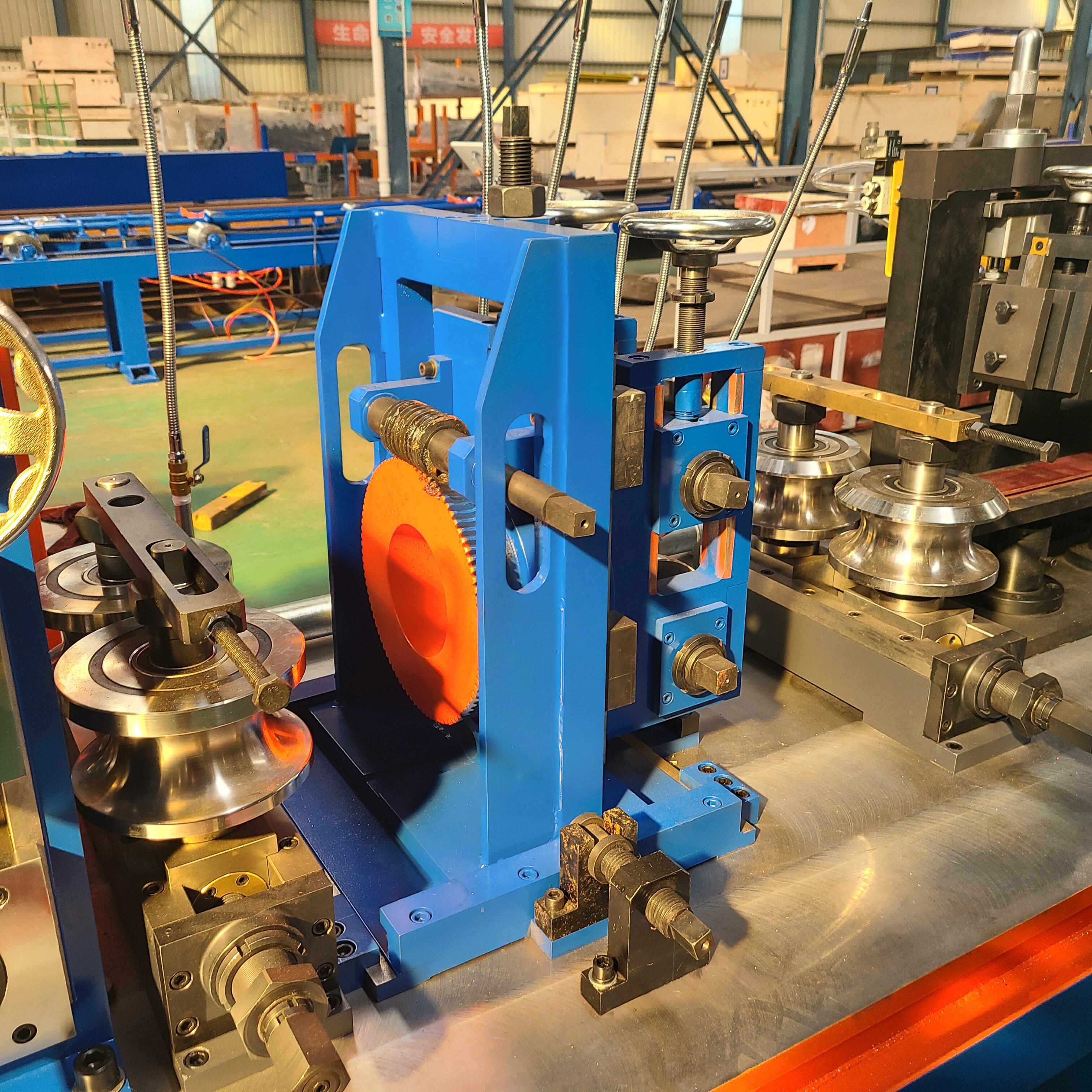
उच्च-गुणस्तरका स्टील पाइपहरूको कुशल निर्माणका लागि उन्नत प्रविधिको आवश्यकता हुन्छ जसले सटीक इन्जिनियरिङ्सँग मजबूत निर्माण क्षमताहरूलाई एकीकृत गर्दछ। आधुनिक औद्योगिक अनुप्रयोगहरूले स्थिर गुणस्तर प्रदान गर्ने र अनुकूल उत्पादन गतिलाई बनाइराख्ने पाइप उत्पादन प्रणालीहरूको माग गर्दछन्। एचएफ वेल्डेड पाइप मिल आधुनिक स्टील पाइप निर्माणमा एक महत्त्वपूर्ण प्रविधि हो, जसले निर्माताहरूलाई अत्यधिक सटीकता र विश्वसनीयतासँग गोल र वर्गाकार स्टील पाइपहरू उत्पादन गर्ने क्षमता प्रदान गर्दछ।
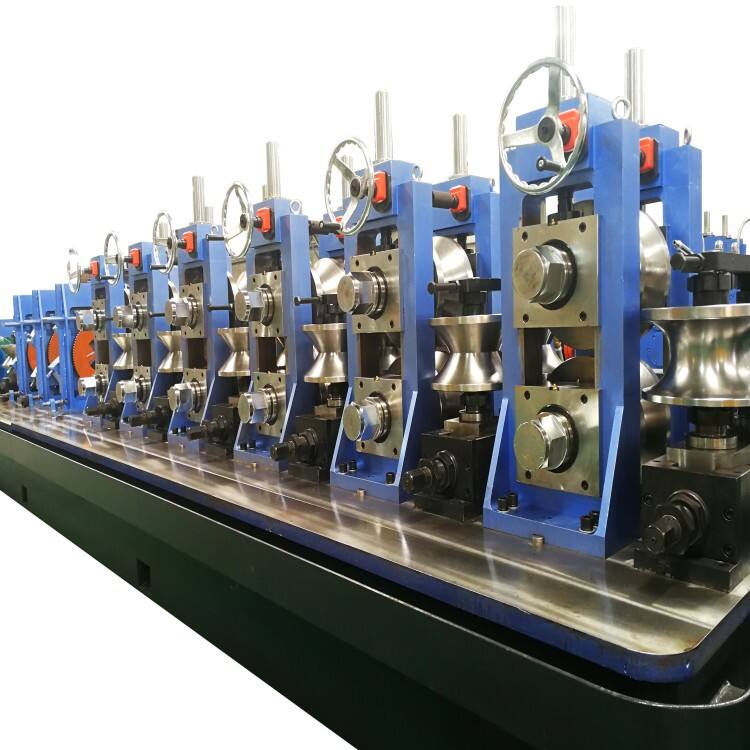
पाइप निर्माण प्रविधिको विकासले बहु-उत्पादन चरणहरूलाई समेट्ने उन्नत वेल्डिङ प्रणालीहरूसँगै नयाँ उचाइहरू प्राप्त गरेको छ। यी प्रणालीहरूमा उन्नत उच्च-आवृत्ति वेल्डिङ प्रविधिहरू समावेश छन् जसले जोडको उत्कृष्ट गुणस्तर सुनिश्चित गर्दछ र उत्पादन क्षमतालाई अधिकतम बनाउँदछ। आधुनिक पाइप मिलहरूका व्यापक विशेषताहरू र क्षमताहरूको बारेमा बुझ्नु उत्पादन क्षमता बढाउन र बढ्दो माग भएका बजार आवश्यकताहरू पूरा गर्न खोज्ने निर्माताहरूका लागि आवश्यक भएको छ।
उन्नत वेल्डिंग प्रौद्योगिकी समावेश
उच्च-आवृत्ति वेल्डिङ्को प्रक्रियाका मौलिक सिद्धान्तहरू
उच्च-आवृत्ति वेल्डिङ प्रविधि आधुनिक पाइप निर्माण कार्यक्रमहरूको मुख्य आधार हो, जसले सीम लाइन भित्र ठीक ताप अनुप्रयोग उत्पन्न गर्न विद्युतचुम्बकीय प्रेरण सिद्धान्तहरूको प्रयोग गर्दछ। यो उच्च-आवृत्ति वेल्डेड पाइप मिलले जटिल आवृत्ति नियन्त्रण प्रणालीहरू प्रयोग गर्दछ जुन सामान्यतया २००–४०० किलोहर्ट्ज (kHz) को दायरामा सञ्चालित हुन्छ, जसले विभिन्न पदार्थ मोटाइहरूमा पनि अनुकूल प्रवेश गहिराइ र स्थिर वेल्ड गुणस्तर सुनिश्चित गर्दछ। यस प्रविधिले अतिरिक्त फिलर सामग्रीहरूको आवश्यकता हटाउँदै स्टीलका सतहहरू बीच आणविक स्तरमा बन्धन सिर्जना गर्दछ।
वेल्डिङ प्रणाली भित्रको विद्युतचुम्बकीय क्षेत्र सँगै स्टीलको आधार सामग्रीभित्र नै भ्रामक धाराहरू (एडी करेन्ट) सिधै उत्पन्न गर्दछ, जसले मिलिसेकेण्डमा नै अनुकूल वेल्डिङ तापमानसम्म पुग्ने स्थानीय तापन प्रक्रिया सिर्जना गर्दछ। यो तीव्र तापन प्रक्रियाले ताप प्रभावित क्षेत्रहरू (हिट-अफेक्टेड जोन) लाई न्यूनीकरण गर्दछ जबकि आधार सामग्रीको संरचनात्मक अखण्डता कायम राख्दछ। उन्नत नियन्त्रण प्रणालीहरूले वास्तविक समयमा आवृत्ति पैरामिटरहरूको निगरानी गर्दछन् र सामग्रीको विविधताको कम्पेन्सेशन गर्दै उत्पादन चक्रभरि स्थिर वेल्ड पेनिट्रेशन कायम राख्दछन्।
आधुनिक उच्च-आवृत्ति वेल्डिङ प्रणालीहरूमा स्वचालित आर्क डिटेक्सन, अतिधारा सुरक्षा (ओभरकरेन्ट प्रोटेक्सन), र तापीय निगरानी प्रणाली सहितका बहुविध सुरक्षा विशेषताहरू समावेश छन्। यी सुरक्षा तन्त्रहरूले दीर्घकालीन उत्पादन चलाउँदा अपरेटरको सुरक्षा सुनिश्चित गर्दछन् र उपकरणको क्षति रोक्दछन्। वेल्डिङ पैरामिटरहरूको सटीक नियन्त्रणले निर्माताहरूलाई जोडको गुणस्तर वा उत्पादन क्षमतामा कुनै समझौता नगरी विभिन्न प्रकारका स्टील ग्रेडहरू र मोटाइहरू प्रशोधन गर्न सक्षम बनाउँदछ।
सिम गुणस्तर नियन्त्रण प्रणालीहरू
आधुनिक पाइप मिलहरूमा उत्पादन प्रक्रियाको सम्पूर्ण अवधिमा वेल्ड सिमको अखण्डताको निरन्तर मूल्याङ्कन गर्ने विशिष्ट गुणस्तर निगरानी प्रणालीहरू समावेश छन्। यी प्रणालीहरूले सम्भावित दोषहरूको पत्ता लगाउन अल्ट्रासोनिक परीक्षण क्षमता, एडी करेन्ट निरीक्षण र दृश्य निगरानी प्रविधिहरू प्रयोग गर्छन्, जसले उत्पादनको गुणस्तरमा कुनै कमी आउनु अघि नै त्यस्ता दोषहरूको पहिचान गर्न सक्छ। एचएफ वेल्डेड पाइप मिलले गुणस्तरमा भएका विचरणहरूको पत्ता लगाएपछि स्वत: वेल्डिङ पैरामिटरहरू समायोजन गर्ने वास्तविक-समय प्रतिक्रिया यान्त्रिकीहरू प्रयोग गर्छ।
उन्नत सीम ट्र्याकिङ प्रणालीहरूले बनाउने पट्टीका किनाराहरूसँग सम्बन्धित इलेक्ट्रोडको सटीक स्थिति सुनिश्चित गर्दछ, जसले आकारिय भिन्नताहरू भएका सामग्रीहरू प्रक्रिया गर्दा पनि अनुकूल वेल्डिङ ज्यामितिलाई बनाए राख्छ। लेजर मार्गदर्शन प्रणालीहरूले सीम संरेखणमा माइक्रोन-स्तरको सट्यता प्रदान गर्दछ, जबकि वायुचालित समायोजन यान्त्रिकीहरूले उत्पादन प्रवाहलाई बाधित नगरी द्रुत सुधारहरू सम्भव बनाउँदछन्। यी सटीक नियन्त्रण विशेषताहरूले उत्पादनको स्थिर गुणस्तर र कचरा उत्पादन घटाउनमा महत्वपूर्ण योगदान पुर्याउँदछन्।
आधुनिक पाइप मिलहरूमा एकीकृत गुणस्तर लेखा प्रणालीहरूले वेल्डिङ पैरामिटरहरू, सामग्री विशिष्टताहरू र निरीक्षण परिणामहरू स्वत: रेकर्ड गर्दछन् जसले व्यापक ट्रेसेबिलिटी सुनिश्चित गर्दछ। यो लेखा क्षमताले गुणस्तर प्रमाणन आवश्यकताहरूलाई समर्थन गर्दछ र उत्पादन डाटाको सांख्यिकीय विश्लेषणमा आधारित निरन्तर प्रक्रिया अनुकूलनलाई सक्षम बनाउँदछ। गुणस्तर नियन्त्रण प्रणालीहरूको उत्पादन प्रबन्धन सफ्टवेयरसँग एकीकरणले उत्पादन कार्यहरूको व्यापक निगरानी सिर्जना गर्दछ।
सामग्री ह्याण्डलिङ र फर्मिङ क्षमताहरू
स्ट्रिप फिडिङ र तयारी प्रणालीहरू
कुशल सामग्री ह्याण्डलिङले पाइप मिल सञ्चालनको एक महत्वपूर्ण घटक बनाउँछ, जसमा स्ट्रिप फिडिङ दरहरू, टेन्सन प्रबन्धन र किनारा तयारीमा सटीक नियन्त्रणको आवश्यकता हुन्छ। HF वेल्डेड पाइप मिलमा उन्नत अनकोइलिङ प्रणालीहरू समावेश गरिएको छ जसले विभिन्न कुण्डल वजन र स्ट्रिप मोटाइहरूलाई समायोजित गर्दै स्थिर स्ट्रिप टेन्सन कायम राख्छ। हाइड्रोलिक वा प्न्यूमेटिक टेन्सनिङ प्रणालीहरू स्वचालित रूपमा सामग्रीका विशेषताहरूमा अनुकूलित हुन्छन्, जसले उत्पादन चक्रभरि आदर्श फर्मिङ अवस्थाहरू सुनिश्चित गर्छ।
मिल भित्रका किनारा तयारी स्टेशनहरूले स्टील स्ट्रिपलाई उत्कृष्ट वेल्डिङ अवस्थाको लागि तयार पार्ने कार्यहरू जस्तै काट्ने, सफा गर्ने र बेवेलिङ गर्ने समावेश गरी महत्वपूर्ण कार्यहरू सम्पादन गर्छन्। यी स्टेशनहरूले सतहका दूषकहरू हटाउने र उच्च गुणस्तरको सीम निर्माणको लागि उचित किनारा ज्यामिति सिर्जना गर्ने सटीक काट्ने औजारहरू र सफाइ प्रणालीहरू प्रयोग गर्छन्। स्वचालित किनारा निरीक्षण प्रणालीहरूले सामग्री फर्मिङ खण्डमा प्रवेश गर्नुभन्दा अघि तयारीको गुणस्तरको पुष्टि गर्छन्।
उन्नत स्ट्रिप निर्देशन प्रणालीहरूले विद्युतचुम्बकीय सेन्सरहरू र यान्त्रिक निर्देशकहरू प्रयोग गरेर फर्मिङ प्रक्रियाको सम्पूर्ण अवधिमा सटीक स्ट्रिप स्थितिलाई बनाए राख्छन्। यी प्रणालीहरूले सामग्रीका भिन्नताहरू र यान्त्रिक सहनशीलताहरूलाई कम्पेन्सेट गर्छन्, जसले गर्दा निरन्तर पाइप आकार र सीम सँग जोडिएको संरेखण सुनिश्चित हुन्छ। स्ट्रिप ट्र्याकिङ प्रविधिको फर्मिङ नियन्त्रणसँग एकीकरणले उत्पादनको गुणस्तर विभिन्न उत्पादन अवस्थाहरूमा पनि बनाए राख्न स्वचालित समायोजनहरू सक्षम बनाउँछ।
प्रगतिशील फर्मिङ प्रविधि
आधुनिक पाइप मिलहरूले चपटो स्टीलको पट्टीलाई बारम्बार आकार दिने स्टेशनहरू मार्फत धीरे-धीरे बेलनाकार वा वर्गाकार आकारमा आकार दिने प्रगतिशील आकार दिने तरिकाहरू प्रयोग गर्छन्। प्रत्येक आकार दिने स्टेशनले सामग्रीमा तनावको केन्द्रीकरण नबनाउने गरी नियन्त्रित विकृति बलहरू प्रयोग गर्छ, जसले ठीक-ठीक आयामी शुद्धता प्राप्त गर्न सक्छ। एचएफ वेल्डेड पाइप मिलले सामग्री प्रवाहलाई अनुकूलित गर्ने र स्प्रिङ्ब्याक प्रभावलाई न्यूनीकरण गर्ने कम्प्युटर-नियन्त्रित आकार दिने क्रमहरू प्रयोग गर्छ।
हाइड्रोलिक आकार दिने प्रणालीहरूले आकार दिने बलहरू र क्रमहरूमा ठीक-ठीक नियन्त्रण प्रदान गर्छन्, जसले उत्पादकहरूलाई विभिन्न सामग्री ग्रेडहरू र मोटाइहरू प्रशोधन गर्न सक्षम बनाउँछ, जसको लागि व्यापक औजार परिवर्तनको आवश्यकता हुँदैन। यी प्रणालीहरूमा स्थिति प्रतिक्रिया नियन्त्रणहरू समावेश छन् जसले औजारको घिसाइ र सामग्रीको भिन्नताहरूलाई क्षतिपूर्ति गर्दै आकार दिने ज्यामितिको स्थिरता सुनिश्चित गर्छन्। उन्नत आकार दिने प्रविधिले सेटअप समय घटाउँछ र विभिन्न पाइप विशिष्टताहरू बीच छिटो परिवर्तन सम्भव बनाउँछ।
रूपान्तरण सिमुलेशन सफ्टवेयरको उत्पादन नियन्त्रण प्रणालीसँग एकीकरणले उत्पादन चलाउनु अघि नयाँ उत्पादनहरू वा सामग्रीहरूका लागि रूपान्तरण पैरामिटरहरू अप्टिमाइज गर्न अपरेटरहरूलाई सक्षम बनाउँछ। यस क्षमताले उत्पादन विकास चरणमा सामग्रीको अपव्यय घटाउँदै प्रयोग-त्रुटि आधारित अप्टिमाइजेसन घटाउँछ। प्रगतिशील रूपान्तरण प्रविधिले पाइपको सम्पूर्ण लम्बाइमा समान भित्ता मोटाइ वितरण र ठीक आयामी नियन्त्रण सुनिश्चित गर्छ।
उत्पादन नियन्त्रण र स्वचालन विशेषताहरू
एकीकृत नियन्त्रण प्रणाली स्थापना
आधुनिक पाइप निर्माण सुविधाहरू उच्च-स्तरीय स्वचालन प्रणालीमा निर्भर हुन्छन् जसले उत्पादनका विभिन्न प्रक्रियाहरूलाई समन्वय गर्दछ र अनुकूल कार्यक्षमता र गुणस्तर मापदण्डहरू कायम राख्दछ। HF वेल्डेड पाइप मिलमा प्रोग्रामेबल लजिक कन्ट्रोलरहरू (PLC) र मानव-मशिन इन्टरफेसहरू (HMI) समावेश छन् जसले वेल्डिङ, फर्मिङ र फिनिसिङ अपरेसनहरूको व्यापक निगरानी प्रदान गर्दछन्। यी नियन्त्रण प्रणालीहरूले अपरेटरहरूलाई महत्वपूर्ण पैरामिटरहरूको निगरानी गर्न र उत्पादन लक्ष्यहरू कायम राख्न वास्तविक समयमा समायोजनहरू गर्न सक्षम बनाउँदछन्।
केन्द्रीकृत नियन्त्रण स्थापना (आर्किटेक्चर) विभिन्न मिल घटकहरू बीच चिप्लो एकीकरणलाई सम्भव बनाउँछ, जसले उत्पादन क्षमता अधिकतम बनाउँदै ऊर्जा खपत न्यूनीकरण गर्दै समन्वित संचालन सिर्जना गर्छ। उन्नत एल्गोरिदमहरूले सामग्रीका विशेषताहरू, उत्पादन विशिष्टताहरू र गुणस्तर आवश्यकताहरूको आधारमा उत्पादन क्रमहरूलाई अनुकूलित गर्छन्। स्वचालन प्रणालीहरूमा पूर्वानुमानात्मक रखरखाव क्षमताहरू समावेश छन् जुन उपकरणको अवस्था मानिस गर्छन् र योजनाबद्ध रखरखाव कार्यहरू निर्धारण गर्छन् जसले अप्रत्याशित अवरोध (डाउनटाइम) लाई न्यूनीकरण गर्छ।
नियन्त्रण स्थापनाभित्रका डाटा व्यवस्थापन प्रणालीहरूले सामग्री प्रशिक्षण (ट्रेसेबिलिटी), गुणस्तर मापदण्डहरू र उपकरण प्रदर्शन डाटा सहितको व्यापक उत्पादन सूचना संकलन गर्छन्। यो सूचना निरन्तर सुधार पहलहरूलाई समर्थन गर्छ जबकि गुणस्तर प्रमाणीकरण र ग्राहक आवश्यकताहरूको लागि आवश्यक दस्तावेजीकरण प्रदान गर्छ। उत्पादन डाटाको उद्यम संसाधन योजना (एन्टरप्राइज रिसोर्स प्लानिङ) प्रणालीहरूसँग एकीकरणले उत्पादन क्रियाकलापहरूमा व्यापक दृश्यता सिर्जना गर्छ।
सुरक्षा र वातावरणीय प्रणालीहरू
आधुनिक पाइप मिलहरूमा कर्मचारीहरूको सुरक्षा सुनिश्चित गर्ने साथै वातावरणीय नियमहरूको पालना गर्ने व्यापक सुरक्षा प्रणालीहरू समावेश छन्। आपतकालीन बन्द प्रणालीहरूले खतरनाक अवस्थाहरूको पत्ता लगाएपछि तुरुन्तै प्रतिक्रिया दिन सक्छन्, जबकि इन्टरलक प्रणालीहरूले असुरक्षित सञ्चालन अवस्थाहरू रोक्छन्। HF वेल्डेड पाइप मिलमा उन्नत वेन्टिलेसन प्रणालीहरू समावेश छन् जुन वेल्डिङ धूलहरू सँगै सुरक्षित कार्य वातावरण बनाए राख्ने गर्दछन्।
वातावरणीय निगरानी प्रणालीहरूले उत्सर्जन, ऊर्जा खपत र अपशिष्ट उत्पादनको ट्र्याक गर्दछन् जसले नियामक आवश्यकताहरूको पालना गर्ने साथै स्थायित्वका उद्देश्यहरूलाई समर्थन गर्दछ। यी प्रणालीहरूले वातावरणीय प्रदर्शनमा वास्तविक समयको प्रतिक्रिया प्रदान गर्दछन् र संसाधन अनुकूलनका अवसरहरू पहिचान गर्दछन्। उन्नत फिल्ट्रेसन प्रणालीहरूले वातावरणीय प्रभावलाई न्यूनीकरण गर्दछन् जबकि उत्तम उत्पादन अवस्थाहरू कायम राख्दछन्।
मिल संचालन भित्र एकीकृत सुरक्षा प्रशिक्षण प्रणालीहरूले अपरेटरहरूको निरन्तर शिक्षा प्रदान गर्दछन् जबकि सुरक्षा प्रोटोकलहरूसँगको अनुपालनलाई कागजातमा दर्ज गर्दछन्। यी प्रणालीहरूमा सिमुलेसन क्षमताहरू समावेश छन् जसले आपतकालीन प्रक्रियाहरू र उपकरण संचालनमा सुरक्षित प्रशिक्षण दिन सक्छन्। उत्पादन नियन्त्रणहरूसँग सुरक्षा प्रणालीहरूको एकीकरणले सुनिश्चित गर्दछ कि सुरक्षा विचारहरू सम्पूर्ण उत्पादन गतिविधिहरूभरि प्रमुख रहन्छन्।
उत्पादको विविधता र विशिष्टता दायरा
आयामिक क्षमता र लचक
आधुनिक पाइप निर्माण प्रणालीहरूले विस्तृत आयामी दायरामा पाइपहरूको उत्पादन गर्दा उत्कृष्ट बहुमुखी प्रवृत्ति प्रदर्शन गर्छन्, जसले गर्दा स्थिर गुणस्तरका मापदण्डहरू कायम राख्न सकिन्छ। HF वेल्डेड पाइप मिलले सानो व्यासका ट्यूबिङ अनुप्रयोगदेखि ठूलो व्यासका संरचनात्मक पाइपहरूसम्मका पाइप व्यासहरूलाई समायोजित गर्न सक्छ, जसको भित्री भागको मोटाइ (वल थिकनेस) सानो-मोटाइका अनुप्रयोगहरूदेखि भारी-उद्योगिक विशिष्टताहरूसम्म फैलिएको छ। यो आयामी लचकले निर्माताहरूलाई धेरै उत्पादन लाइनहरूको आवश्यकता बिनै विविध बजार खण्डहरूलाई सेवा दिन सक्ने सुविधा प्रदान गर्छ।
छिटो-परिवर्तन औजार प्रणालीहरूले विभिन्न पाइप आकारहरू र विन्यासहरूबीच छिटो संक्रमण सुविधाजनक बनाउँछन्, जसले अवरोध समय (डाउनटाइम) घटाउँछ र उत्पादन क्षमतालाई अधिकतम बनाउँछ। स्वचालित समायोजन यान्त्रिकीहरूले प्रत्येक उत्पादन विशिष्टताका लागि आकार दिने औजारहरू र वेल्डिङ उपकरणहरूको सटीक स्थितिमा स्थापना गर्न सक्छन्। यी क्षमताहरूले 'जस्ट-इन-टाइम' (ठीक समयमा) निर्माण रणनीतिहरूलाई समर्थन गर्छन्, साथै सानो ब्याच अर्डरहरूको कुशल उत्पादनलाई उच्च-मात्रा उत्पादनहरूसँगै सम्भव बनाउँछन्।
अनुकूलनशील नियन्त्रण प्रणालीहरूको एकीकरणले सामग्रीमा आउने परिवर्तनहरू र आकारिक टोलेरेन्सहरूको स्वचालित क्षतिपूर्ति गर्न सक्छ, जसले विशिष्टता दायराभित्र उत्पादनको स्थिर गुणस्तर सुनिश्चित गर्छ। उन्नत मापन प्रणालीहरूले उत्पादन प्रक्रियाको सम्पूर्ण अवधिमा पाइपका आयामहरूको निगरानी गर्छन् र प्रक्रिया समायोजनका लागि तुरुन्त प्रतिक्रिया प्रदान गर्छन्। यो वास्तविक-समय नियन्त्रण क्षमताले कडा आकारिक टोलेरेन्सहरू कायम राख्दै साथै कच्चा सामग्रीका विशेषताहरूमा आउने परिवर्तनहरूलाई पनि समायोजित गर्छ।
सामग्री ग्रेड संगतता
आधुनिक पाइप मिलहरूले मानक कार्बन स्टीलदेखि विशेष उच्च-शक्ति र संक्षारण-प्रतिरोधी सामग्रीहरूसम्मका विभिन्न स्टील ग्रेडहरू र मिश्र धातु संरचनाहरू प्रक्रिया गर्नमा असाधारण बहुमुखी प्रवृत्ति प्रदर्शन गर्छन्। यसमा hf वेल्डेड पाइप मिल विभिन्न सामग्री विशेषताहरूमा अनुकूलित हुन सक्ने समायोज्य वेल्डिङ पैरामिटरहरू समावेश छन्, जसले जोडको अनुकूल गुणस्तर कायम राख्दछ। यो सामग्री लचिलोपनले निर्माताहरूलाई उपकरणको सीमाबाट मुक्त हुँदै विविध ग्राहक आवश्यकताहरूमा प्रतिक्रिया दिन सक्षम बनाउँछ।
उन्नत सामग्री ह्याण्डलिङ प्रणालीहरूले विभिन्न पट्टी मोटाइहरू र यान्त्रिक गुणहरूलाई समायोजित गर्न सक्छन्, जसले सामग्रीका विशिष्टताहरू अनुसार आकार दिने बलहरू र वेल्डिङ पैरामिटरहरू स्वचालित रूपमा समायोजित गर्दछ। यी अनुकूलनशील क्षमताहरूले सामग्री परिवर्तनका लागि सेटअप आवश्यकताहरू घटाउँदै निरन्तर उत्पादन गुणस्तर सुनिश्चित गर्दछन्। सामग्री पहिचान प्रणालीहरूको उत्पादन नियन्त्रणसँग एकीकरणले प्रसंस्करण त्रुटिहरू रोक्छ जबकि व्यापक सामग्री ट्रेसेबिलिटी कायम राख्छ।
आधुनिक पाइप मिलहरूमा गुणस्तर प्रमाणन क्षमताहरूले विशेष लेखाजाँच वा परीक्षण आवश्यकताहरू भएका सामग्रीहरूको प्रसंस्करण समर्थन गर्दछन्। यी प्रणालीहरूले ग्राहकहरूका प्रमाणन आवश्यकताहरू समर्थन गर्न सामग्रीका स्रोतहरू, प्रसंस्करण पैरामिटरहरू र गुणस्तर परीक्षणका परिणामहरूका विस्तृत रेकर्डहरू कायम राख्छन्। विशेषीकृत सामग्रीहरू प्रसंस्करण गर्ने क्षमताले बजार अवसरहरू विस्तार गर्दछ जबकि मूल्य-थप उत्पादन प्रस्तावहरूलाई समर्थन गर्दछ।
मर्मत र संचालन दक्षता
पूर्वानुमान रखरखाव प्रविधिहरू
आधुनिक पाइप निर्माणमा उन्नत रखरखाव रणनीतिहरू उपकरणहरूको दुर्घटना भएको अघि नै रखरखावको आवश्यकता पूर्वानुमान गर्ने जटिल निगरानी प्रणालीमा निर्भर गर्दछन्। HF वेल्डेड पाइप मिलमा कम्पन विश्लेषण, तापीय निगरानी र घिसिएको अवस्था पत्ता लगाउने प्रणालीहरू समावेश छन् जुन उपकरणको अवस्थाको निरन्तर मूल्याङ्कन गर्दछन्। यी निगरानी प्रविधिहरूले उत्पादनमा अवरोधहरू न्यूनीकरण गर्दै उपकरणको विश्वसनीयता र सेवा जीवनलाई अधिकतम बनाउने रखरखाव तालिका तयार गर्न सक्षम बनाउँदछन्।
अवस्था निगरानी प्रणालीहरूले कृत्रिम बुद्धिमत्ता (AI) एल्गोरिदमहरू प्रयोग गरेर उपकरणको प्रदर्शनका प्रवृत्तिहरूको विश्लेषण गर्दछन् र उत्पादनको गुणस्तर वा दक्षतामा प्रभाव पार्नु अघि सम्भावित समस्याहरू पहिचान गर्दछन्। यी प्रणालीहरू रखरखाव प्रबन्धन सफ्टवेयरसँग एकीकृत छन् जसले स्वत: नै निवारक रखरखाव कार्यहरूको तालिका बनाउँदछ र प्रतिस्थापन घटकहरूको अर्डर दिन्छ। यो पूर्वानुमानात्मक रखरखाव दृष्टिकोणले समग्र रखरखाव लागत घटाउँदै उपकरणको उपलब्धता र उत्पादनको स्थिरता सुधार गर्दछ।
दूरस्थ निगरानी क्षमताहरूले उपकरण निर्माताहरूलाई निरन्तर सहयोग र अनुकूलन सेवाहरू प्रदान गर्न सक्षम बनाउँछ, जसमा उपकरणको वास्तविक-समय प्रदर्शन डाटा पहुँच गरेर सुधारका अवसरहरू पहिचान गर्न सकिन्छ। यी सेवाहरूले सेवा जीवनभर सुष्ठु उपकरण प्रदर्शन सुनिश्चित गर्दै उत्पादन पैरामिटरहरूको निरन्तर अनुकूलनलाई समर्थन गर्छन्। दूरस्थ निगरानीको स्थानीय रखरखाव प्रणालीहरूसँग एकीकरणले व्यापक उपकरण प्रबन्धन क्षमताहरू सिर्जना गर्छ।
ऊर्जा कार्यक्षमता र सustainibility
आधुनिक पाइप मिलहरूमा ऊर्जा-कुशल प्रविधिहरू समावेश गरिएको हुन्छ जसले उच्च उत्पादन दर र गुणस्तर मापदण्डहरू कायम राख्दै विद्युत् खपत न्यूनीकरण गर्छ। HF वेल्डेड पाइप मिलले परिवर्तनशील आवृत्ति ड्राइभहरू, कुशल तापन प्रणालीहरू र अनुकूलित उत्पादन क्रमहरू प्रयोग गर्छ जसले समग्र ऊर्जा आवश्यकताहरू घटाउँछ। यी कुशलता सुधारहरूले स्थायित्वका उद्देश्यहरूलाई समर्थन गर्छन् जबकि संचालन लागत र वातावरणीय प्रभाव घटाउँछन्।
ताप रिकभरी प्रणालीहरूले वेल्डिङ र फर्मिङ प्रक्रियाबाट बर्बाद भएको ऊर्जालाई कब्जा गर्छन्, र यस ऊर्जाको प्रयोग सुविधाको तापन वा अन्य उत्पादन प्रक्रियाहरूमा गरिन्छ। उन्नत बिजुली व्यवस्थापन प्रणालीहरूले विद्युत खपतका प्रतिरूपहरूलाई अनुकूल उपयोगिता दरहरूको लाभ उठाउन र निरन्तर उत्पादन कार्यक्रमहरू कायम राख्न अनुकूलित गर्छन्। यी ऊर्जा अनुकूलन विशेषताहरूले संचालन लागत घटाउन र पर्यावरणीय दायित्व पूरा गर्नमा महत्वपूर्ण योगदान पुर्याउँछन्।
आधुनिक पाइप मिलहरूमा एकीकृत स्थायी उत्पादन प्रथाहरूमा अपशिष्ट न्यूनीकरण, पुनर्चक्रण कार्यक्रमहरू र पर्यावरणीय निगरानी प्रणालीहरू समावेश छन्। यी प्रथाहरूले कर्पोरेट स्थायीत्व पहलहरूलाई समर्थन गर्छन् जबकि पर्यावरणीय नियमहरूको पालना सुनिश्चित गर्छन्। व्यापक स्थायीत्व कार्यक्रमहरूको कार्यान्वयनले कर्पोरेट प्रतिष्ठा बढाउँछ जबकि संचालन लागत र पर्यावरणीय प्रभाव दुवै घटाउँछ।
FAQ
आधुनिक HF वेल्डेड पाइप मिलहरू कुन किसिमका पाइप आकार र भित्ता मोटाइहरू उत्पादन गर्न सक्छन्?
आधुनिक उच्च-आवृत्ति (HF) वेल्डेड पाइप मिल प्रणालीहरू सामान्यतया गोलाकार पाइपहरूका लागि १० मिमी देखि ४०० मिमी सम्मका पाइप व्यासहरूलाई समायोजित गर्न सक्छन्, जबकि वर्गाकार र आयताकार विन्यासहरू पनि तुलनात्मक आकार श्रेणीमा उपलब्ध छन्। भित्ताको मोटाइको क्षमता सामान्यतया पातलो-भित्ता अनुप्रयोगहरूका लागि ०.५ मिमी देखि भारी-प्रयोगका संरचनात्मक अनुप्रयोगहरूका लागि १२ मिमी सम्म फैलिएको छ। विशिष्ट आयाम श्रेणी मिलको विन्यास र औजार सेटअपमा निर्भर गर्दछ, जसमा छिटो-परिवर्तन (क्विक-चेन्ज) प्रणालीहरूले विभिन्न आकार विनिर्देशनहरू बीच छिटो संक्रमण सक्षम बनाउँछन्। उन्नत नियन्त्रण प्रणालीहरूले सम्पूर्ण उत्पादन श्रेणीमा कडा आयामिक सहनशीलता (टोलेरेन्स) बनाए राख्छन्, साथै विभिन्न सामग्री ग्रेडहरू र मोटाइहरूलाई पनि समायोजित गर्न सक्छन्।
उच्च-आवृत्ति वेल्डिङले अन्य पाइप वेल्डिङ पद्धतिहरूको तुलनामा गुणस्तर र दक्षताको हिसाबले कस्तो तुलना गर्दछ?
उच्च-आवृत्ति वेल्डिंगले पारम्परिक वेल्डिंग विधिहरूको तुलनामा आफ्नो द्रुत तापन क्षमता र भरण सामग्रीहरूको अभावको कारण उत्कृष्ट दक्षता प्रदान गर्दछ। यो उच्च-आवृत्ति वेल्डेड पाइप मिल आणविक स्तरमा बाँध्ने प्रक्रियाद्वारा उत्कृष्ट यान्त्रिक गुणहरू भएको जोडहरू उत्पादन गर्दछ, जुन प्रायः आधार सामग्रीको शक्तिभन्दा पनि बढी हुन्छ। यो प्रक्रिया स्थिर गुणस्तर कायम राख्दै उच्च उत्पादन गतिमा सञ्चालित हुन्छ, जसमा सामग्रीको विशेषताहरू कायम राख्ने न्यूनतम ताप-प्रभावित क्षेत्रहरू हुन्छन्। यसको ऊर्जा दक्षता पारम्परिक वेल्डिंग विधिहरूभन्दा धेरै उच्च छ, र प्रक्रियाको स्वचालित प्रकृतिले श्रम आवश्यकताहरू घटाउँदै सुरक्षा र स्थिरतामा सुधार गर्दछ।
उच्च-आवृत्ति वेल्डेड पाइप मिल सञ्चालनसँग सम्बन्धित कुनै रखरखाव आवश्यकताहरू के के हुन्?
एचएफ वेल्डेड पाइप मिल प्रणालीहरूको नियमित रखरखावमा वेल्डिङ इलेक्ट्रोडको अवस्था, फर्मिङ औजारको संरेखण, र नियन्त्रण प्रणालीको क्यालिब्रेसनमा ध्यान केन्द्रित गरिन्छ। भविष्यदृष्टि रखरखाव प्रणालीहरूले महत्वपूर्ण घटकहरूको निगरानी गर्छन् र निश्चित अन्तरालहरूको सट्टा वास्तविक उपकरणको अवस्थामा आधारित रखरखाव क्रियाकलापहरूको नियोजन गर्छन्। सामान्य रखरखाव क्रियाकलापहरूमा इलेक्ट्रोड प्रतिस्थापन, बेयरिङ लुब्रिकेसन, हाइड्रोलिक प्रणालीको सेवा, र नियन्त्रण प्रणालीको अद्यावधिकरण समावेश छन्। आधुनिक मिलहरूमा नैदानिक प्रणालीहरू समावेश गरिएको हुन्छ जसले सम्भावित समस्याहरूलाई पहिले नै पहिचान गर्छ, जसले अप्रत्याशित अवरोध समय घटाउँछ र उपकरणको सेवा जीवन बढाउँछ। व्यापक रखरखाव कार्यक्रमहरूले सामान्यतया ९५% भन्दा बढी उपकरण उपलब्धता दर प्राप्त गर्छन् जबकि उत्तम उत्पादन गुणस्तर कायम राखिन्छ।
के एचएफ वेल्डेड पाइप मिलहरूले विभिन्न स्टील ग्रेडहरू र विशेषीकृत सामग्रीहरू प्रक्रिया गर्न सक्छन्?
आधुनिक उच्च-आवृत्ति (HF) वेल्डेड पाइप मिल प्रणालीहरूले कार्बन स्टील, कम-मिश्रित स्टील र केही स्टेनलेस स्टील संरचनासहित विभिन्न प्रकारका स्टील ग्रेडहरू प्रसंस्करण गर्नमा उत्कृष्ट बहुमुखीता प्रदर्शन गर्दछन्। उन्नत नियन्त्रण प्रणालीहरूले सामग्रीका विशेषताहरूको आधारमा स्वचालित रूपमा वेल्डिङ पैरामिटरहरू समायोजन गर्दछन्, जसले विभिन्न प्रकारका सामग्रीहरूमा अनुकूल जोड गुणस्तर सुनिश्चित गर्दछ। यी मिलहरूले विभिन्न यान्त्रिक गुणहरू र रासायनिक संरचनाहरू भएका सामग्रीहरूलाई समायोजित गर्न सक्छन् भने पनि उत्पादनको स्थिर गुणस्तर कायम राख्न सक्छन्। सामग्री सँग सँगै संगतता संरचनात्मक ट्यूबिङ, स्वचालित घटकहरू र औद्योगिक पाइपिङ प्रणाली जस्ता विशेषीकृत अनुप्रयोगहरूमा पनि विस्तारित छ, जहाँ व्यापक गुणस्तर नियन्त्रण प्रणालीहरूले सम्बन्धित विनिर्देशनहरू र मानकहरूसँग अनुपालन सुनिश्चित गर्दछन्।
विषय सूची
- उन्नत वेल्डिंग प्रौद्योगिकी समावेश
- सामग्री ह्याण्डलिङ र फर्मिङ क्षमताहरू
- उत्पादन नियन्त्रण र स्वचालन विशेषताहरू
- उत्पादको विविधता र विशिष्टता दायरा
- मर्मत र संचालन दक्षता
-
FAQ
- आधुनिक HF वेल्डेड पाइप मिलहरू कुन किसिमका पाइप आकार र भित्ता मोटाइहरू उत्पादन गर्न सक्छन्?
- उच्च-आवृत्ति वेल्डिङले अन्य पाइप वेल्डिङ पद्धतिहरूको तुलनामा गुणस्तर र दक्षताको हिसाबले कस्तो तुलना गर्दछ?
- उच्च-आवृत्ति वेल्डेड पाइप मिल सञ्चालनसँग सम्बन्धित कुनै रखरखाव आवश्यकताहरू के के हुन्?
- के एचएफ वेल्डेड पाइप मिलहरूले विभिन्न स्टील ग्रेडहरू र विशेषीकृत सामग्रीहरू प्रक्रिया गर्न सक्छन्?